Winter changes how we eat, move, and dress. It can also affect your heart. Many people find that their blood pressure in winter is higher than in summer.
Cold air is one reason, but daily habits matter too. In this article, you will learn why cold weather may raise blood pressure, who is more at risk, and how to protect your heart during winter.
Does Cold Weather Increase Blood Pressure?
Often, yes. Mayo Clinic says blood pressure is generally higher in winter and lower in summer. Cold temperatures make blood vessels narrow for a short time. The heart then has to push harder to move blood through them, which raises the pressure inside the vessels.
This does not happen the same way for everyone. Winter blood pressure changes depend on your age, health, and habits. Some people notice little change, while others see a clear rise.
Why Does Blood Pressure Increase in Winter?
Several things can work together:
- Narrow blood vessels. Your body tightens its blood vessels to hold in heat. Harvard Health calls this the leading theory for higher winter readings.
- Less physical activity. Cold, dark days make it harder to exercise.
- Saltier food. Comfort and holiday foods often contain more salt.
- Weight gain. Eating more and moving less can add pounds, and extra weight can raise blood pressure.
- Cold indoor rooms. A cold home may also play a role, so keep your rooms comfortably warm.
Not everyone will see these changes. Your own habits and health make a big difference.
Who Is More at Risk of High Blood Pressure in Winter?
Some people may need to be more careful:
- People who already have high blood pressure. Mayo Clinic advises tracking your readings as the seasons change.
- Older adults. Weather-related blood pressure changes are more common in people ages 65 and older.
- People with heart conditions. The American Heart Association (AHA) notes that high blood pressure raises the risk of heart attack and stroke, especially for people with higher heart risks.
- People with diabetes or other heart risk factors.
- People who spend long hours outdoors in the cold, including those who shovel snow.
Your personal risk depends on your overall health and other factors. Ask your doctor what applies to you.
Common Signs of High Blood Pressure
High blood pressure often has no symptoms. You can feel fine and still have high readings.
Some people have headaches or dizziness, but these signs do not reliably show high blood pressure. The only dependable way to know your numbers is to measure them with a suitable monitor.
Tips to Manage Blood Pressure in Winter
Here is how to control blood pressure in winter and support your heart:
Stay Warm and Active
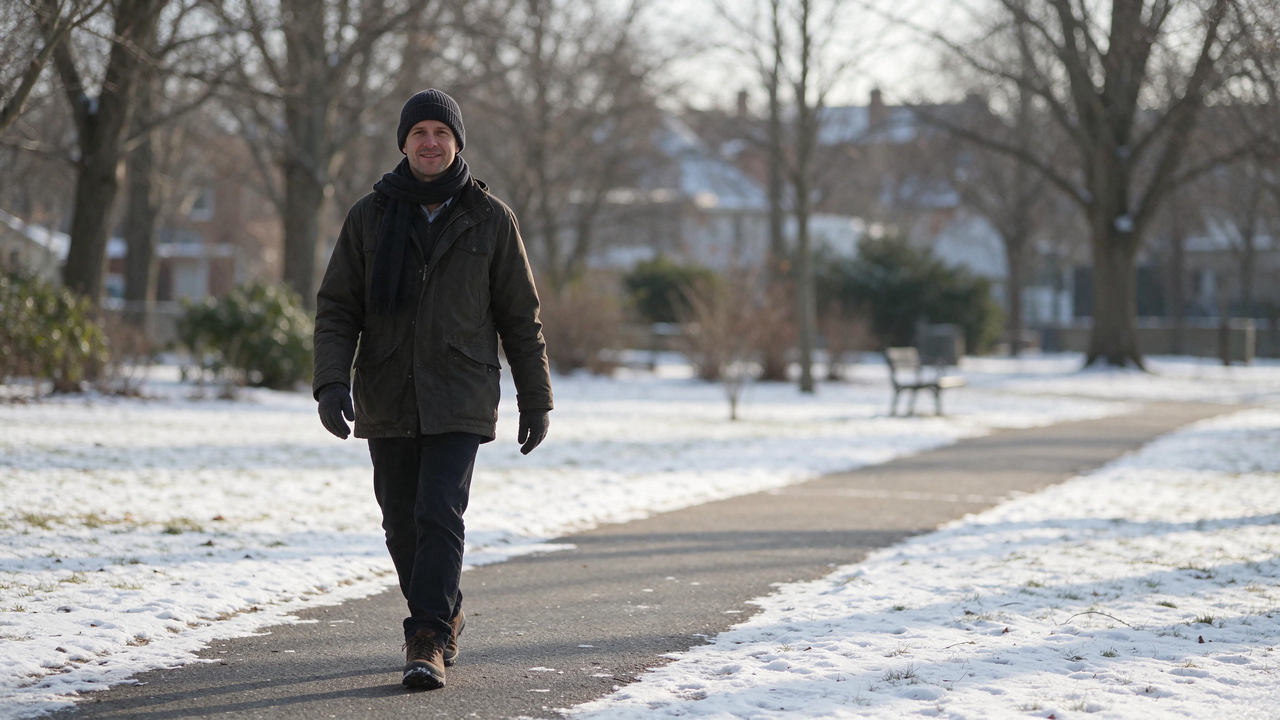
- Dress warmly. Wear layers, a hat, gloves, and warm socks when you go outside.
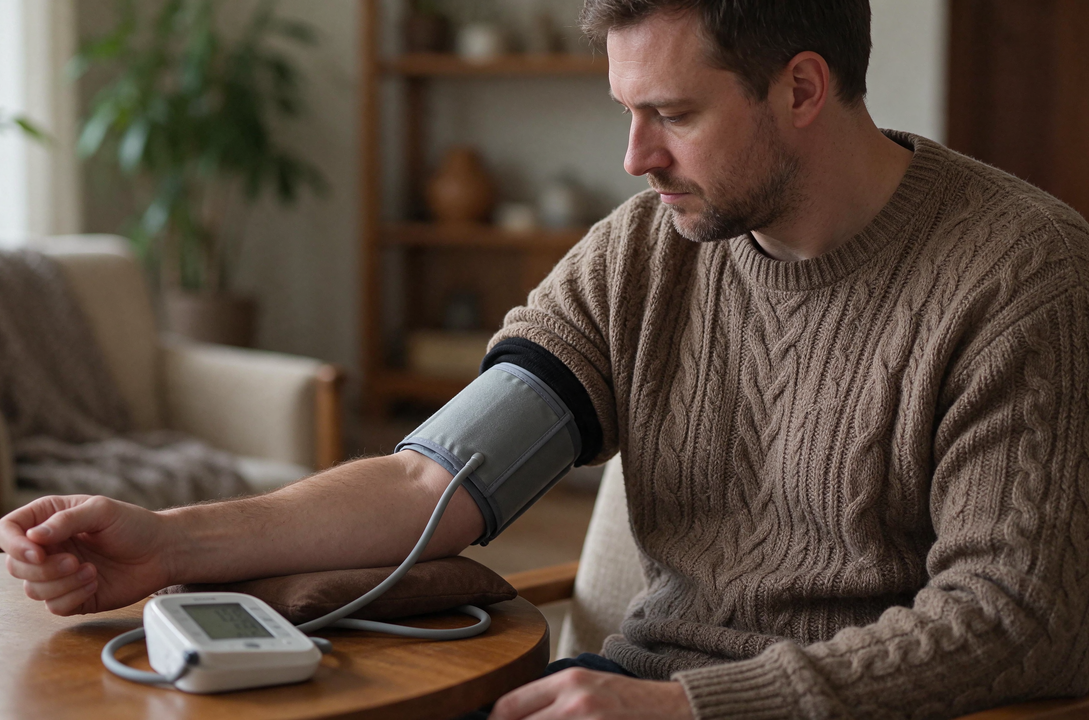
- Check your blood pressure at home. Regular checks help you spot winter changes early.
- Keep moving. Try indoor exercises or a walk when the weather allows. Avoid heavy tasks like snow shoveling if you have heart concerns.
Eat Well and Look After Yourself
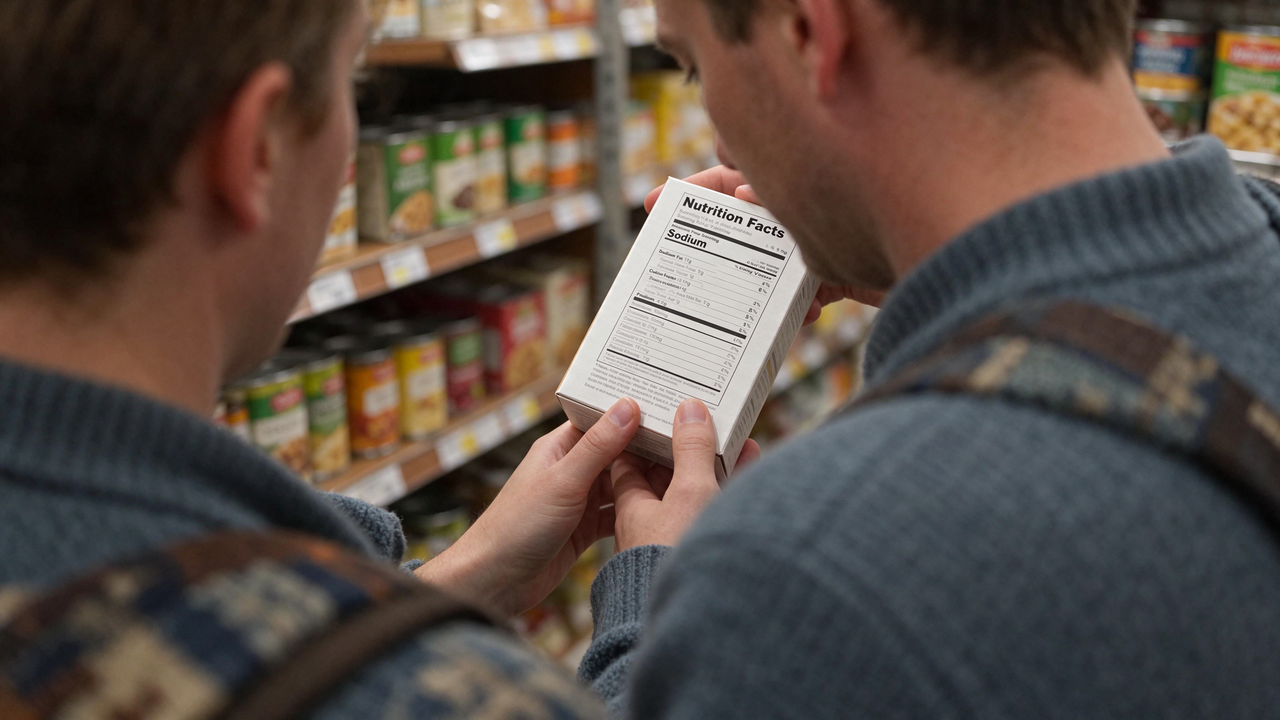
- Cut back on salt and processed foods. Check food labels for sodium.
- Eat a balanced diet. Include plenty of fruits and vegetables. If you cook for children too, see our guide to winter nutrition for kids.
- Drink enough fluids. You may feel less thirsty in cold weather, so sip water through the day.
- Aim for a healthy weight. Small, steady habits work better than crash diets.
- Take your medicine as prescribed. Never change or stop a dose without asking your doctor.
- Manage stress and sleep well. Short walks, calm breathing, and a regular bedtime can help.
- Avoid smoking and limit alcohol. Both can affect heart health.
These habits fit well with the everyday routines on our Healthy Habits page.
How to Check Your Blood Pressure Correctly at Home
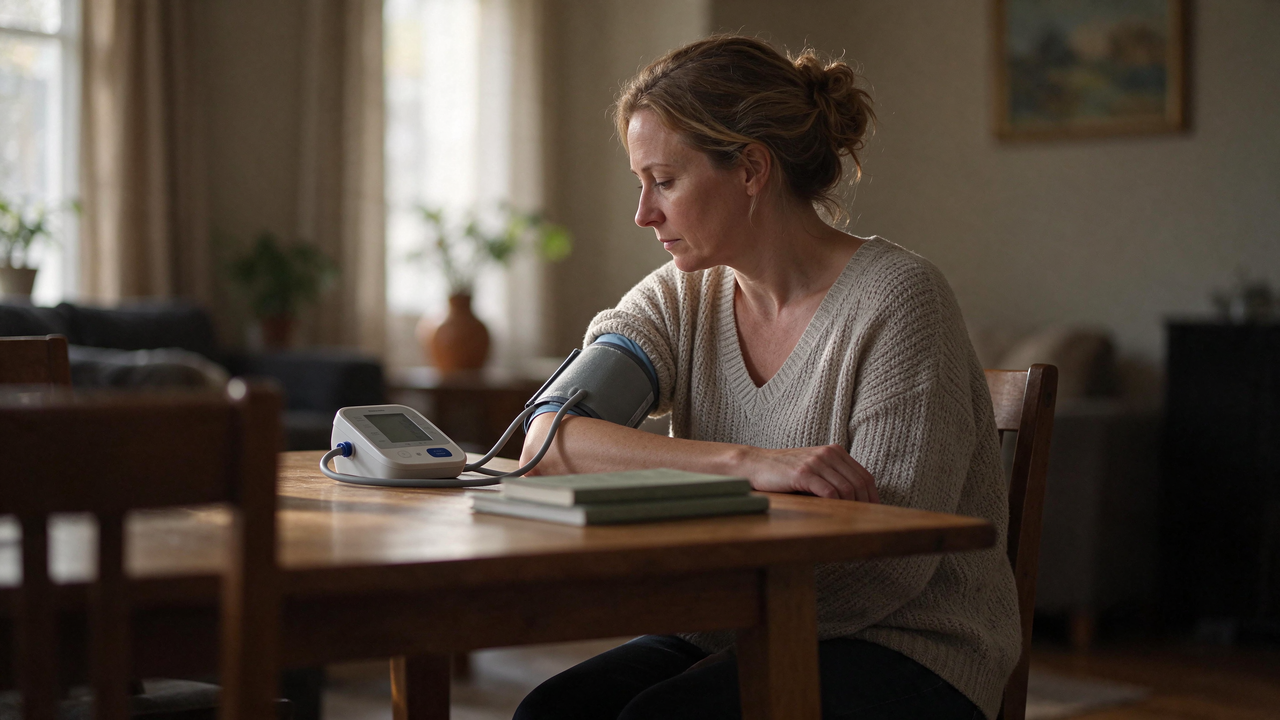
Poor technique can give wrong numbers. The American Heart Association suggests these steps:
- Rest quietly for at least five minutes.
- Sit with your back supported and your feet flat on the floor.
- Rest your arm on a table so the cuff is at heart level.
- Use a properly fitting upper-arm cuff.
- Do not talk during the reading.
- Take two readings about one minute apart.
- Write down the results and share them with your healthcare professional.
Ask your healthcare professional how often you should check your blood pressure.
When Should You Seek Medical Help?
Talk to a healthcare professional if your readings are often high. Do not ignore unusual or severe symptoms.
Get emergency help right away for chest pain, trouble breathing, sudden weakness, trouble speaking, or sudden vision changes.
If your reading is above 180/120 mm Hg, wait five minutes and check again. If it is still that high, contact a healthcare professional right away. If you also have chest pain, shortness of breath, weakness, numbness, vision changes, or trouble speaking, call emergency services immediately. Do not wait for symptoms to get worse.
Frequently Asked Questions
Does cold weather increase blood pressure?
It can. Cold makes blood vessels narrow, which may raise pressure, though the effect differs from person to person.
Why is blood pressure higher in winter?
Narrow blood vessels, less activity, saltier food, and weight gain can all play a part.
Can cold weather affect people with normal blood pressure?
Yes, readings can change a little with the seasons. People with normal blood pressure are usually less affected, but checking now and then is still wise.
How often should I check my blood pressure in winter?
Follow your healthcare professional’s advice. The AHA recommends home monitoring for people with high blood pressure.
Does staying warm help control blood pressure?
It may help, since cold is one trigger. Warm clothing and a comfortable home are simple steps, but they do not replace medical care.
Can walking in winter help manage blood pressure?
Gentle activity supports heart health. Dress warmly, go at an easy pace, and ask your doctor if you have heart concerns.
Should I change my blood pressure medicine during winter?
No, not on your own. Talk to your doctor first. Only a healthcare professional should change your dose or medicine.
Conclusion
Cold weather may raise blood pressure because blood vessels narrow, and winter habits can add to the effect. Regular checks matter, because high blood pressure often causes no symptoms.
To protect your blood pressure in winter, stay warm, eat balanced meals, keep moving, and take your medicine as prescribed. If your readings are often high, speak with a qualified healthcare professional.