Winter can be challenging for your heart, particularly when temperatures drop suddenly. Cold weather affects how the body manages heat, and the heart may need to work harder to maintain normal circulation. Including nutritious foods in your daily meals can support cardiovascular health. Explore our guide to 25 heart-healthy foods to make you happier and healthier for some healthy food ideas. People who already have high blood pressure or heart disease may need to take extra precautions.
Changes in daily routines can also affect heart health. People often exercise less, eat heavier meals, and spend more time indoors during colder months. These habits can make it harder to maintain a healthy lifestyle.
The good news is that simple changes can help. Understanding how to maintain heart health during winter starts with eating balanced meals, staying active, dressing warmly, and following healthy daily habits.
Why Does Cold Weather Affect Heart Health?
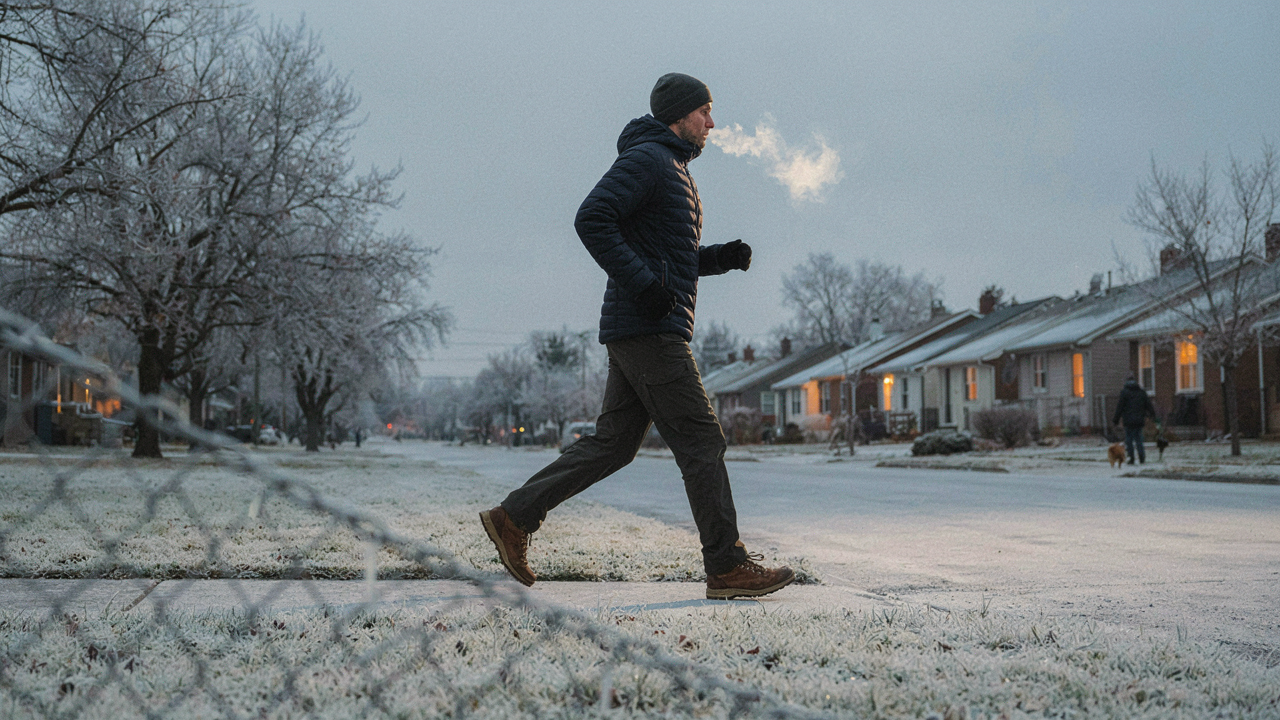
When the body is exposed to cold temperatures, blood vessels near the skin become narrower. This process helps conserve body heat, but it also increases resistance to blood flow and can raise blood pressure.
As a result, the heart may need to work harder to circulate blood. Cold weather can also place additional strain on people with existing cardiovascular conditions, especially during sudden or strenuous physical activity.
According to the American Heart Association, cold temperatures and heavy outdoor activities can create additional challenges for people with heart disease.
Winter routines may also affect cardiovascular health. Reduced physical activity, unhealthy food choices, and changes in sleep patterns can make it harder to manage existing risk factors.
12 Effective Tips to Maintain Heart Health During Winter
1. Eat a Heart-Healthy Diet

A balanced diet provides nutrients that support the heart and overall health. Include vegetables, seasonal fruits, whole grains, beans, nuts, and healthy sources of protein in your daily meals.
Try to limit foods high in saturated fats, excess salt, and added sugars. Choose home-cooked meals more often and use healthier cooking methods such as steaming, boiling, and grilling.
The World Health Organization’s healthy eating guidance explains why a varied diet with fruits, vegetables, whole grains, and legumes is important for long-term health.
2. Stay Physically Active

Cold weather can make outdoor exercise less appealing, but regular movement remains important. Physical activity supports circulation, helps manage blood pressure, and contributes to maintaining a healthy body weight.
If going outside is uncomfortable, try indoor walking, stretching, yoga, or simple home exercises. Choose activities that match your fitness level and current health.
If you have heart disease or experience discomfort during exercise, speak with your healthcare professional before changing your activity routine.
For more exercise ideas, read our guide to 5 best exercises to improve heart health, which shares practical ways to include physical activity in your daily routine.
3. Dress Warmly Before Going Outside

Wearing suitable clothing helps your body maintain a comfortable temperature. Exposure to cold can increase cardiovascular strain, particularly in people with existing heart conditions.
Wear several light layers rather than relying on one thin jacket. Cover your head, hands, neck, and feet when temperatures are low.
If strong winds or extreme cold make outdoor conditions uncomfortable, consider staying indoors until the weather improves.
4. Monitor Your Blood Pressure

Blood pressure can rise during colder weather because blood vessels narrow in response to low temperatures. People with hypertension should pay attention to their regular monitoring routine during winter.
If you use a home blood pressure monitor, follow the instructions provided by your healthcare professional. Take readings under consistent conditions and keep a record when advised.
Do not change or stop prescribed blood pressure medication without discussing it with your doctor.
5. Drink Enough Water
People often drink less water during winter because they may not feel as thirsty as they do in summer. However, the body still needs enough fluids to function properly.
Make water a regular part of your daily routine. Warm water, homemade soups, and unsweetened drinks can also contribute to fluid intake.
Your hydration needs may vary depending on your health, activity level, and medications. People who have been advised to restrict fluids should follow their healthcare professional’s guidance.
6. Manage Stress
Ongoing stress can affect sleep, eating habits, and blood pressure. During winter, shorter days, work pressure, and changes in daily routines may make stress harder to manage.
Make time for activities that help you relax. Reading, listening to music, spending time with family, and practising gentle breathing exercises can support emotional well-being.
If stress or anxiety is affecting your everyday life, consider speaking with a qualified healthcare professional.
7. Get Enough Sleep
Regular sleep is an important part of maintaining good health. Poor sleep can affect blood pressure, mood, and the habits that support cardiovascular health.
Try to follow a consistent bedtime and wake-up schedule. Keep your bedroom comfortable, reduce screen use before sleeping, and avoid heavy meals close to bedtime.
Most adults need around seven to nine hours of sleep each night, although individual needs can vary.
8. Avoid Smoking and Limit Alcohol
Smoking damages blood vessels and increases the risk of heart disease. It can also contribute to high blood pressure and other cardiovascular problems.
Avoid tobacco products and seek professional support if you want to quit smoking. Limiting or avoiding alcohol is also a sensible choice because excessive drinking can affect blood pressure and heart health.
Do not start drinking alcohol for supposed heart benefits.
9. Maintain a Healthy Body Weight
Maintaining a weight that is appropriate for your body can support cardiovascular health. However, winter eating habits and reduced activity may make weight management more difficult.
Focus on balanced meals rather than strict diets. Include vegetables, fruits, protein-rich foods, and whole grains while paying attention to portion sizes.
Regular movement and consistent eating habits are more sustainable than extreme weight-loss methods.
10. Avoid Sudden Heavy Physical Activity in Extreme Cold
Heavy outdoor activities can place additional strain on the heart, particularly when the body is not used to strenuous exercise.
Activities such as lifting heavy objects, clearing snow, or doing intense outdoor workouts may be challenging in very cold conditions.
Warm up gradually before physical activity, take breaks, and avoid pushing yourself beyond your usual fitness level. People with existing heart conditions should discuss strenuous cold-weather activities with their healthcare professional.
11. Manage Existing Health Conditions
People living with high blood pressure, diabetes, high cholesterol, or heart disease should continue following their recommended care plans during winter.
Attend scheduled health appointments, take prescribed medicines as directed, and monitor relevant health measurements when advised.
Keep your medicines available, particularly during severe weather when travelling may become difficult. Never adjust medication doses or stop treatment without professional guidance.
12. Recognise Warning Signs of Heart Problems

Knowing the warning signs of a heart attack can help people seek medical attention quickly.
Common symptoms include:
- Pressure, tightness, or discomfort in the chest.
- Shortness of breath.
- Pain or discomfort in one or both arms.
- Pain spreading to the back, neck, jaw, or shoulder.
- Unusual sweating.
- Dizziness, nausea, or sudden weakness.
Symptoms can vary between individuals. Some people may experience a heart attack without severe chest pain.
The Centers for Disease Control and Prevention (CDC) explains common heart attack symptoms and why early treatment matters.
If you or someone nearby experiences possible heart attack symptoms, contact emergency medical services immediately. Do not wait for symptoms to disappear or attempt to drive yourself to the hospital.
Who Should Take Extra Care of Their Heart During Winter?
Although cold weather can affect anyone, some people may face greater cardiovascular risks during colder months.
These include:
- Older adults: The body may become less effective at regulating temperature with age.
- People with existing heart disease: Cold temperatures and sudden physical exertion can place additional strain on the heart.
- People with high blood pressure: Cold-related narrowing of blood vessels may cause blood pressure to rise.
- People with diabetes: Diabetes can increase the risk of cardiovascular disease.
- People with high cholesterol: Elevated cholesterol is an important risk factor for heart disease.
- Physically inactive individuals: Low activity levels can make it harder to maintain cardiovascular fitness.
People in these groups should follow their healthcare professional’s advice, stay appropriately warm, and avoid sudden strenuous activity in extreme cold.
Taking care of your heart during winter does not require complicated changes. Eating balanced meals, staying physically active, dressing warmly, monitoring blood pressure, and getting enough sleep are practical habits that support cardiovascular health.
People with existing health conditions should also continue their prescribed treatment and attend regular medical check-ups.
Making heart health during winter a priority means paying attention to your everyday habits and understanding how cold weather can affect your body. Small, consistent steps can support a healthier heart throughout the colder months.
Frequently Asked Questions
1. Why is heart health important during winter?
Cold temperatures can narrow blood vessels and increase blood pressure, making the heart work harder. People with existing cardiovascular conditions may face additional strain during winter. Following healthy eating habits, staying active, and keeping warm can help support cardiovascular health.
2. Does cold weather increase blood pressure?
Cold weather can cause blood vessels to narrow, increasing resistance to blood flow and potentially raising blood pressure. The effect can vary between individuals. People with hypertension should continue their regular monitoring routine and follow their healthcare professional’s advice.
3. What are the best foods for heart health during winter?
Seasonal fruits, green vegetables, whole grains, beans, lentils, nuts, and fish are useful choices. These foods provide fibre, vitamins, minerals, and healthy fats. A balanced diet that limits excess salt and saturated fats can support long-term cardiovascular health.
4. Is walking in winter good for your heart?
Yes, walking can support cardiovascular fitness and general health. Choose suitable clothing, warm up before starting, and avoid strenuous activity in extreme cold. People with existing heart conditions should ask their healthcare professional about appropriate exercise levels.
5. Who is at higher risk of heart problems during cold weather?
Older adults and people with existing heart disease, high blood pressure, diabetes, or high cholesterol may need extra care during winter. They should stay warm, follow their treatment plans, and avoid sudden strenuous physical activity in very cold conditions.
6. What are the warning signs of a heart attack during winter?
Warning signs include chest discomfort, shortness of breath, unusual sweating, dizziness, nausea, and pain spreading to the arms, back, neck, or jaw. These symptoms require immediate medical attention. Contact emergency services rather than waiting for symptoms to improve.