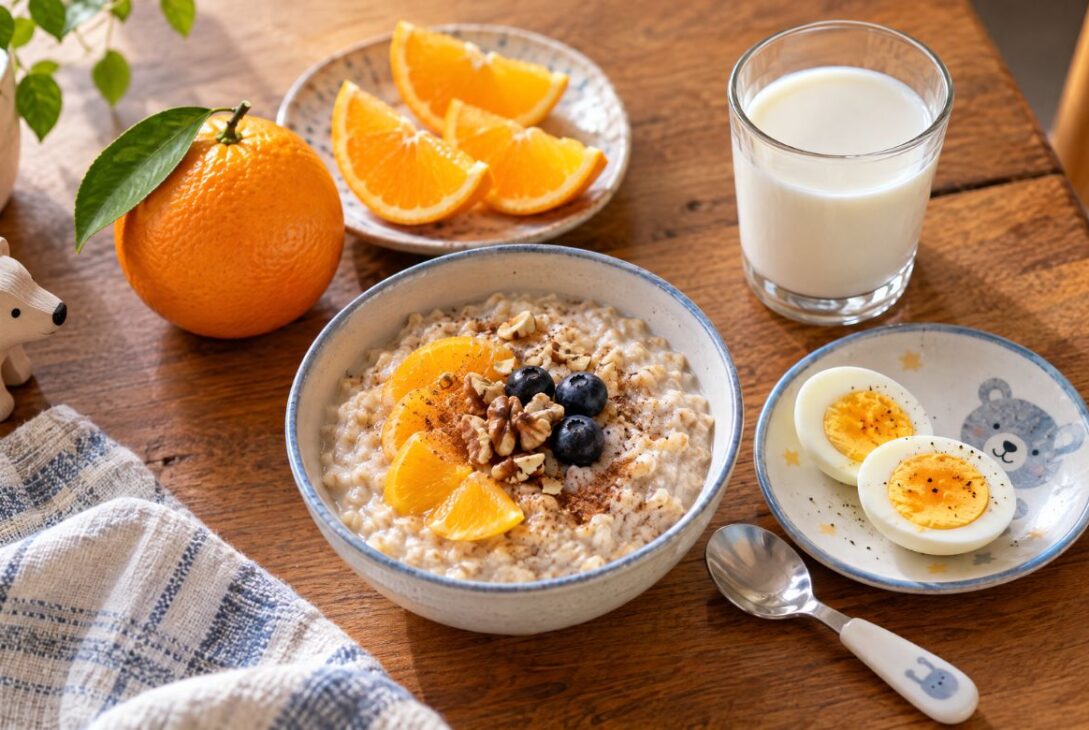
Children don’t need a special winter diet. They need the same balanced one, but it’s harder to stick to in cold weather. Kids spend more time indoors, move less, and often ask for biscuits, chips and sugary drinks. Sunlight is also weaker, which affects vitamin D.
Growing bodies use food for energy, strong bones, healthy blood and a working immune system, which is the body’s defence against germs. No single food can stop a child from catching a cold. A varied diet simply gives the body what it needs to do its job.
Best Foods to Include in a Winter Diet for Kids
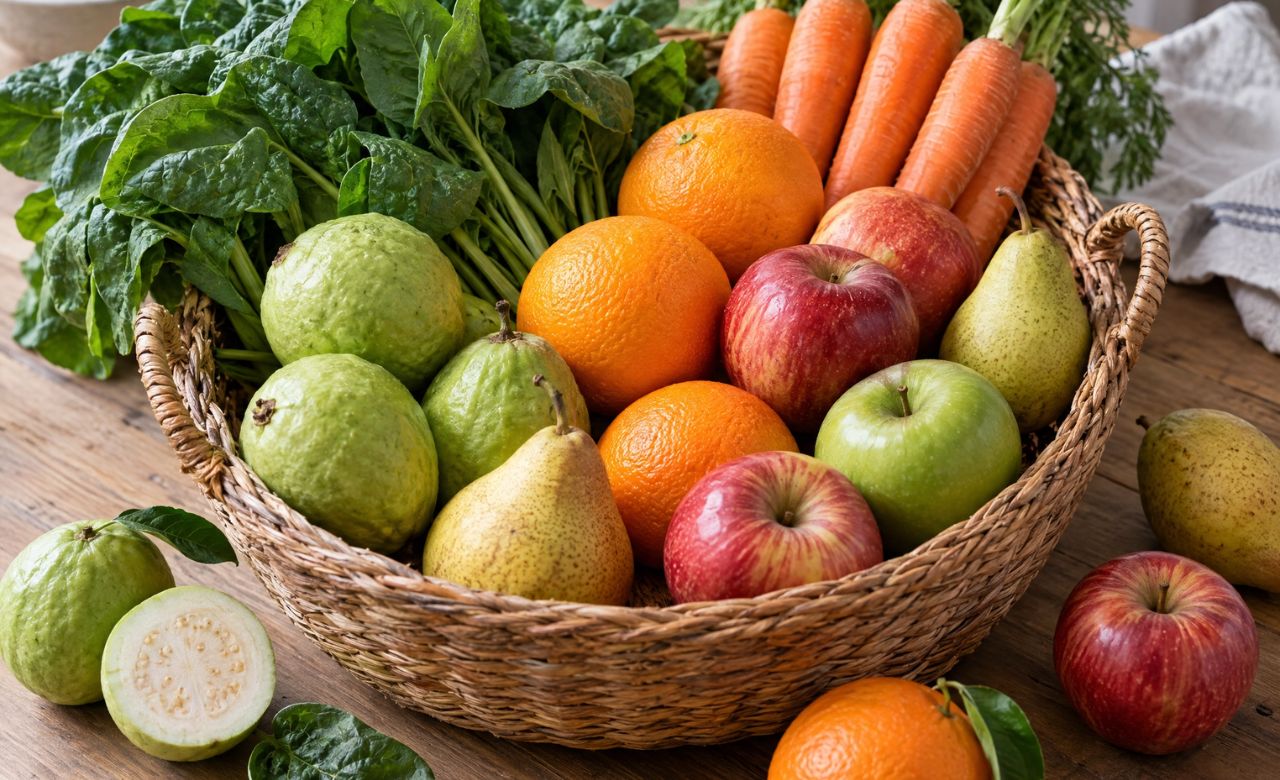
Variety matters more than any one “superfood.” Try to bring in a mix from these groups.
Seasonal Fruits and Vegetables
Oranges, apples, guavas and pears are in season and often affordable. They are some of the best fruits for children in winter and make easy snacks. Add spinach, carrots, broccoli and peas to curries, parathas, soups and rice dishes. Frozen peas and spinach work well too.
Protein-Rich Foods
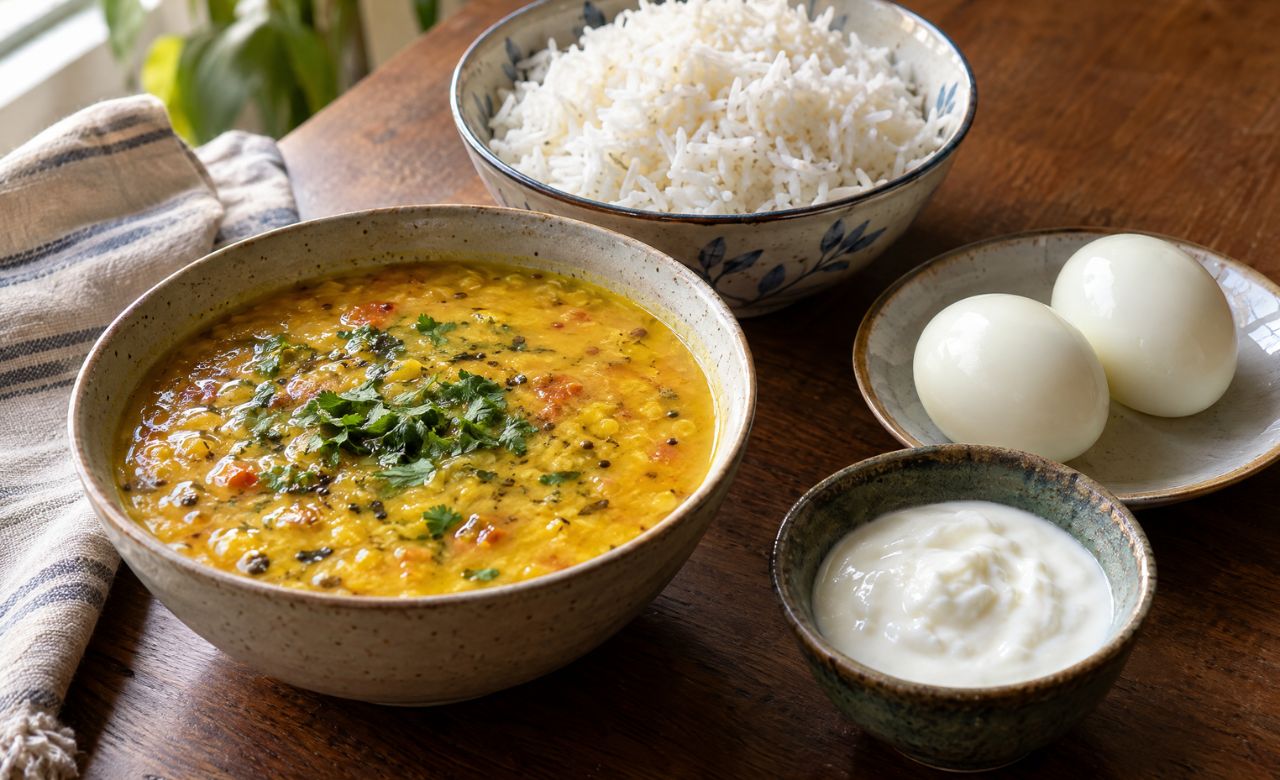
Eggs, beans, lentils, milk and yogurt help with growth and muscle development. A bowl of dal with rice is a simple, filling winter meal. It also costs very little.
Whole Grains, Nuts and Seeds
Choose oats, whole wheat roti and brown rice more often than refined grains. Nuts and seeds add healthy fats, but whole nuts are a choking risk for young children. The NHS advises against whole nuts for children under five, so use ground nuts or a thin layer of smooth nut butter instead. If allergies run in your family, check with your doctor before introducing nuts.
One more safety rule: never give honey to babies under one year old.
Important Nutrients for Growing Children
Here is what some key nutrients do and where to find them:
- Vitamin C supports normal immune function. Find it in oranges, guavas and tomatoes.
- Vitamin D keeps bones healthy. Sunlight is the main source, and eggs and fortified foods add a little.
- Calcium builds bones and teeth. Milk, yogurt, paneer and ragi are good choices.
- Iron supports healthy blood and energy. Lentils, beans, spinach and eggs all contain it.
- Protein helps with normal growth and muscle development. Eggs, dal and milk are easy options.
- Zinc supports normal growth and immune function. Pulses, seeds, whole grains and dairy provide it.
Food should come first, but some children may need a supplement. In the UK, NHS advice is a daily vitamin D supplement for children aged 1 to 4, and older children may consider one in autumn and winter. Advice differs from country to country, so ask your child’s doctor what fits your family before you buy anything. Some nutrients are given on medical advice from day one, like the vitamin K shot for newborns, which protects babies from a rare bleeding condition.
Healthy Winter Breakfast Ideas for Kids

A good breakfast gives children energy for the morning. These are quick and easy to make:
- Oatmeal topped with chopped apple or banana
- Vegetable paratha with a bowl of yogurt
- Boiled eggs with whole wheat toast
- A glass of milk with a seasonal fruit
Healthy Winter Snacks for Children
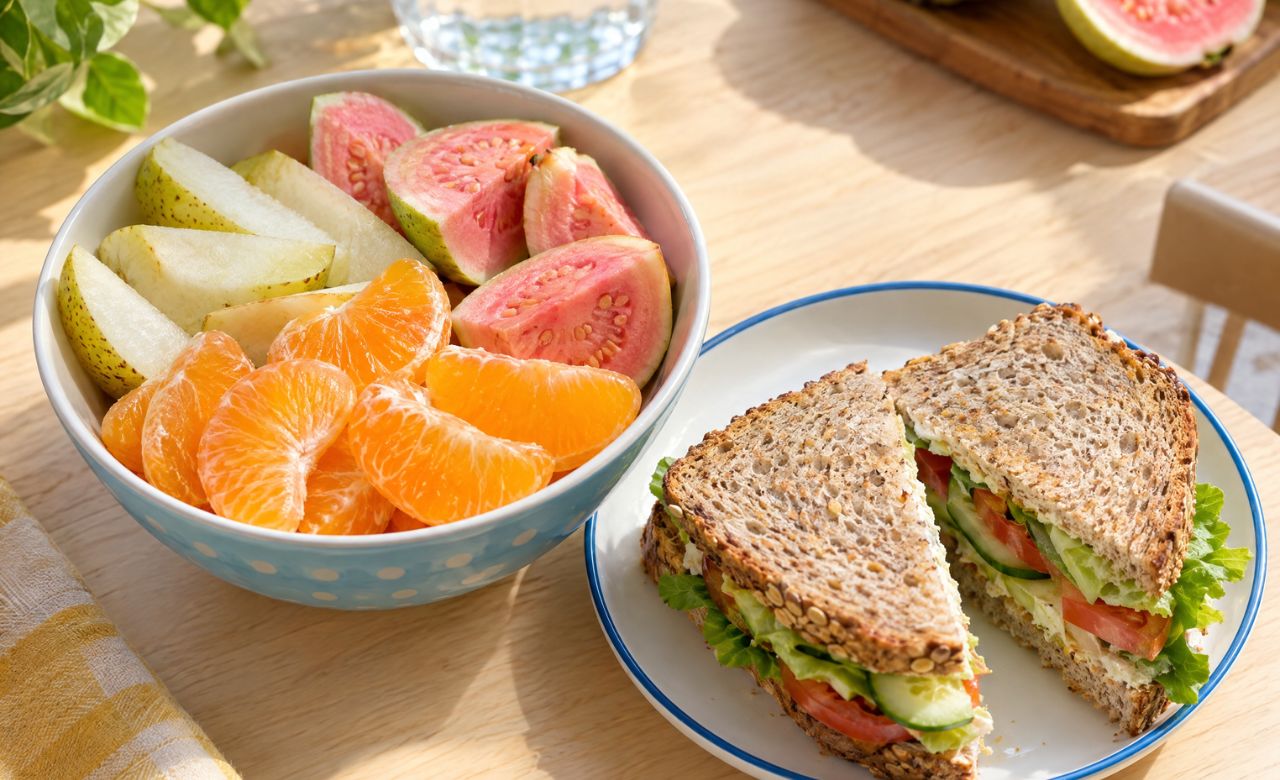
Snacks fill the gap between meals, so make them count:
- Roasted chickpeas for older children (skip them for toddlers, as hard pieces can cause choking)
- A fruit bowl with orange segments, pear slices or guava
- Homemade vegetable sandwiches
- Plain yogurt with fruit
Importance of Drinking Water During Winter
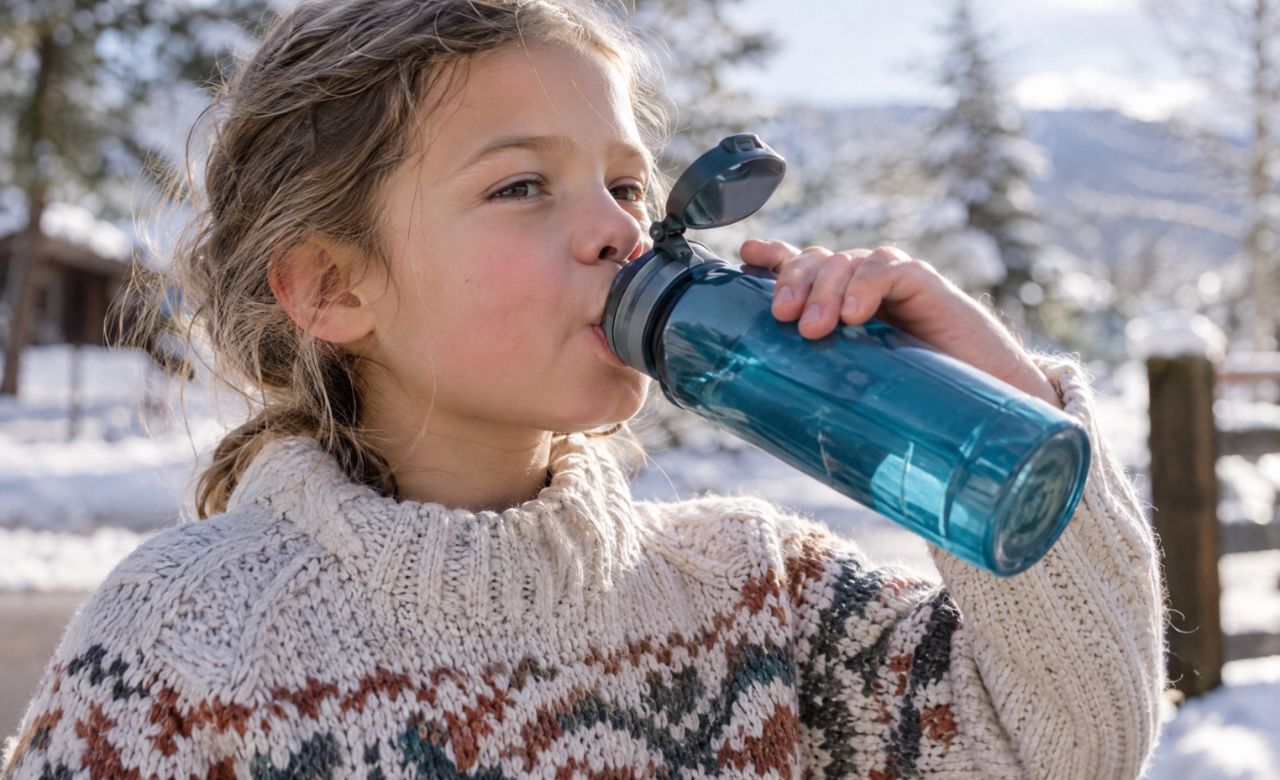
Cold weather dulls thirst, but children still lose water when they breathe, play and sweat under heavy clothes. Offer water with meals and snacks and after play, even if your child doesn’t ask. Warm water, milk and soups also help.
Foods and Eating Habits Parents Should Limit
You don’t need to ban treats. Just keep these occasional:
- Sugary drinks and packaged juices
- Chips, biscuits and other packaged snacks
- Highly processed foods
- Foods with a lot of salt or added sugar
Avoid using sweets as a reward. It teaches children that treats are the prize and vegetables are the chore.
Tips for Creating a Balanced Winter Meal Plan
A winter meal plan for children doesn’t need to be fancy. Aim for something from each food group across the day:
- Breakfast: a whole grain, a protein and a fruit, such as oats, milk and an apple.
- Lunch: roti or rice with dal, eggs or paneer, plus a vegetable.
- Snack: fruit, yogurt or a vegetable sandwich.
- Dinner: a warm soup or khichdi packed with vegetables.
Portions depend on age, appetite and activity, so let your child’s hunger guide you. Always check for food allergies and dietary restrictions before trying new foods.
Common Winter Nutrition Mistakes Parents Should Avoid
- Skipping breakfast. Children often get hungry and cranky by mid-morning, then reach for snacks that aren’t healthy.
- Relying only on warm drinks. Tea, hot chocolate and sweet milk drinks don’t replace meals.
- Forcing children to eat. Offer a variety of foods and let them decide how much to eat. Pressure often makes picky eating worse.
- Giving supplements without advice. More is not always better. A doctor can tell you whether your child needs one.
Conclusion
Winter nutrition for kids comes down to the basics: balanced meals, seasonal fruits and vegetables, enough water and relaxed eating habits. Start small. Swap one sugary snack for fruit, add a vegetable to dinner, and keep breakfast on the table. For more general background on children’s health, visit the World Health Organization.
Frequently Asked Questions
What are the best winter foods for growing children?
Warm, balanced meals work best. Oats, lentils, eggs, milk, yogurt, whole grains and seasonal vegetables like carrots, spinach and peas are all good choices. Mix them across the day rather than relying on one food.
Which fruits should children eat during winter?
Oranges, apples, guavas and pears are common winter fruits and are easy to pack for school. Offer a different fruit each day to keep things interesting. Fresh whole fruit is better than fruit juice.
How can I improve my child’s nutrition during winter?
Start with small changes. Add a vegetable to one meal, keep breakfast regular and swap packaged snacks for fruit or yogurt. Let your child help choose and prepare food, which often makes them more willing to eat it.
Do children need vitamin D supplements in winter?
It depends on your child’s age and where you live. In the UK, NHS advice is a daily supplement for children aged 1 to 4, and older children may consider one in autumn and winter. Ask your child’s doctor before starting any supplement.
How much water should children drink during winter?
The right amount depends on age, activity and weather, so there is no single number for every child. Offer water through the day, especially with meals and after play. Milk and soups also add to fluid intake.