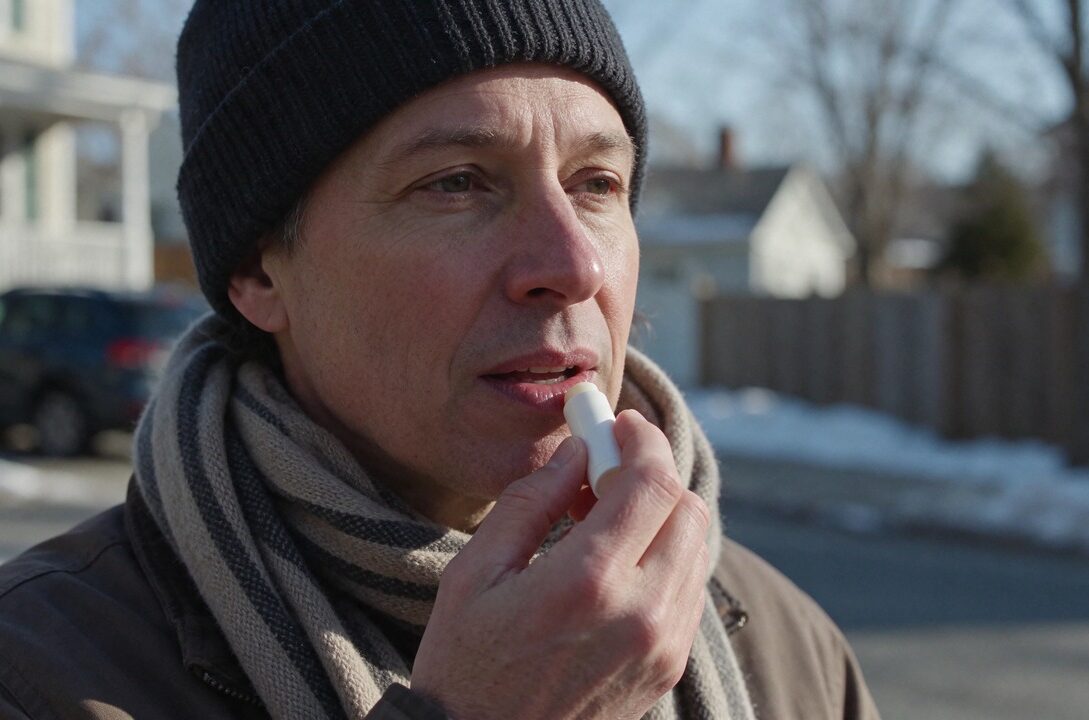
Dry lips in winter are one of the most common cold-weather complaints. Chilly wind, low humidity and indoor heating pull moisture from the delicate skin on your lips. Chapped lips in winter can feel tight, look flaky and sometimes crack.
The good news is that a few simple habits can protect your lips and help them heal. This guide covers the causes, the signs, 10 easy prevention tips, the ingredients to look for and when to see a doctor. For more seasonal advice, see Healthy Genre’s guide on how to prevent dry skin during winter.
Why do lips become dry in winter?
Your lips do not have oil glands, Cleveland Clinic explains, so they dry out easily. Several things make dry lips in cold weather more likely:
- Cold, dry winter air and wind pull moisture from the lips.
- Low humidity and indoor heating dry the air at home and at work.
- Frequent lip licking leaves lips drier once the saliva evaporates.
- Dehydration can leave lips dry.
- Breathing through the mouth, especially at night, dries the lips.
- Irritating lip products can cause redness, flaking and stinging.
Cleveland Clinic also notes that dry air makes moisture evaporate from lips more quickly, which is why chapped lips are more common in winter.
Common signs of dry and chapped lips
Cracked lips in winter can show up in different ways. Common signs include:
- Tight or rough lips.
- Flaking and peeling.
- Cracks on the lips or around them.
- Redness and irritation.
- Pain or bleeding in severe cases.
Mild dryness often improves with simple care. Severe or lasting symptoms may need medical advice.
Easy ways to prevent dry lips in winter
1. Apply a suitable lip balm regularly
The American Academy of Dermatology (AAD) advises applying a non-irritating lip balm several times a day and before bed. If your lips are very dry and cracked, try a thick ointment such as white petroleum jelly. Ointment seals in water longer than waxes or oils.
2. Choose fragrance-free and non-irritating lip products
Look for products labeled fragrance-free and hypoallergenic. If a product burns, stings or tingles, it is irritating your lips. The AAD says that is not a sign the product is working, so stop using it.
3. Avoid licking or biting your lips
Licking feels like relief, but saliva evaporates and leaves lips drier. When you catch yourself licking, apply lip balm instead.
4. Drink enough water throughout the day
Dehydration can leave lips dry, so keep a water bottle nearby. Water alone will not heal chapped lips, so keep using a balm too.
5. Protect your lips from cold wind

Cover your mouth with a scarf or face covering when you go out in cold, windy weather. This limits direct contact with dry air.
6. Use a lip balm with SPF during daytime outdoor activities
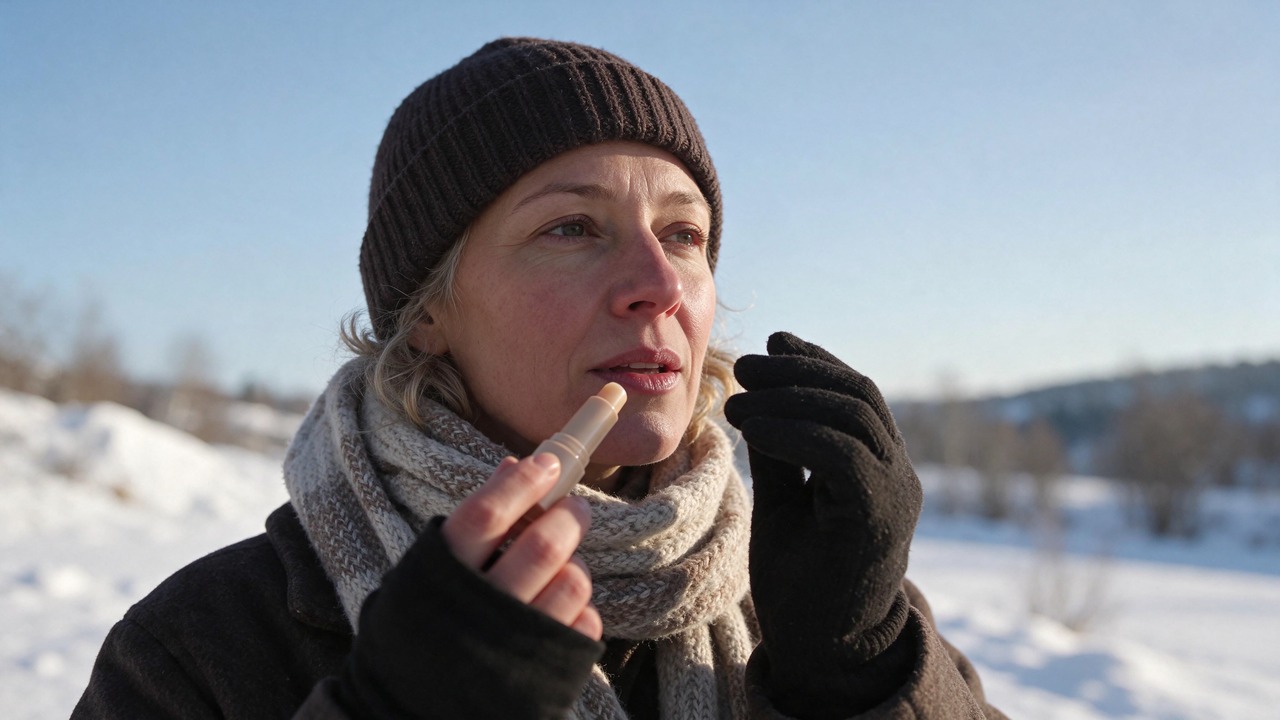
The sun can still burn dry, chapped lips in winter. The AAD recommends a non-irritating balm with SPF 30 or higher, reapplied every two hours outdoors.
7. Avoid picking or peeling dry skin
Picking or biting irritates the lips and slows healing. Let flakes loosen on their own while you keep lips moisturized.
8. Use a humidifier if indoor air is very dry
A humidifier adds moisture to dry indoor air. The AAD says a bedroom humidifier helps most if you breathe through your mouth at night. Clean it regularly.
9. Apply a protective ointment before bedtime
A thick, plain ointment protects lips while you sleep. This gives them hours of rest from dry air.
10. Avoid ingredients that may irritate your lips
While lips are chapped, avoid products with menthol, camphor, eucalyptus, strong fragrance, flavorings or salicylic acid. The AAD lists these as common irritants. Mint, cinnamon and citrus flavors can be especially irritating.
Which ingredients help protect dry lips?
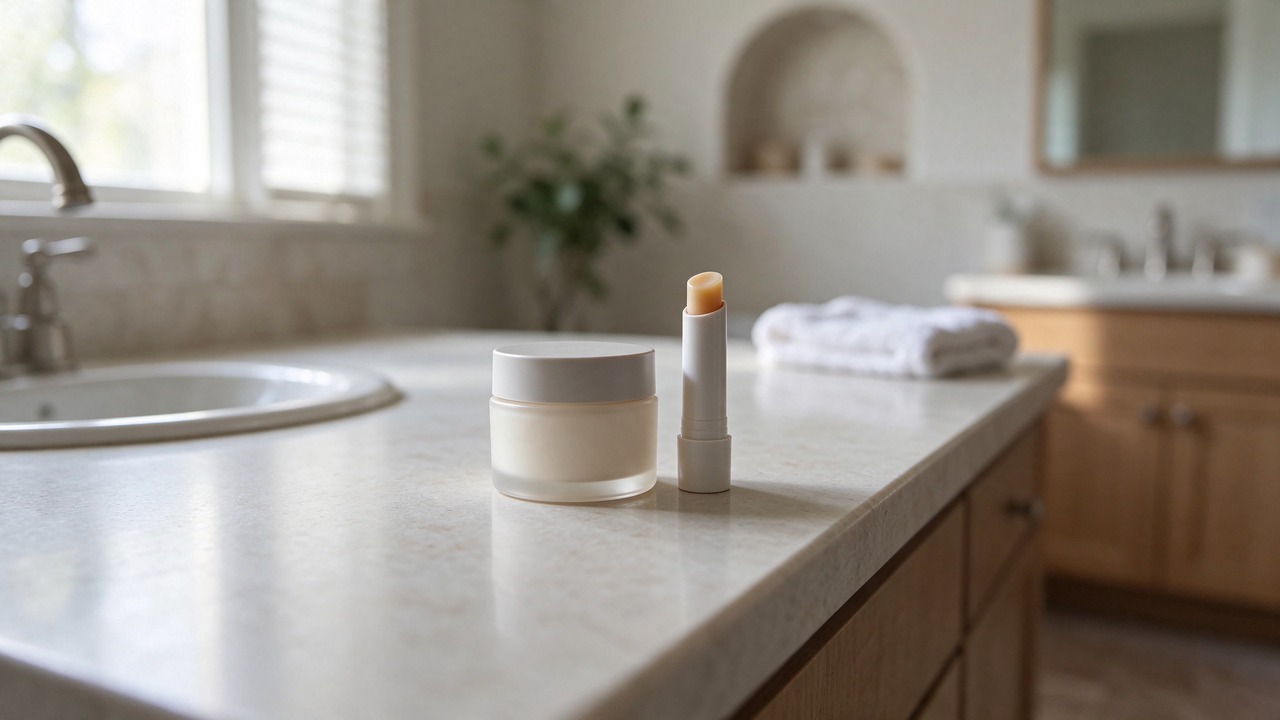
The right ingredients can seal in moisture and protect the lip skin. The AAD recommends products with one or more of these:
- Petrolatum: a thick, protective layer that locks water in. White petroleum jelly is a common form.
- Ceramides: natural skin fats that help support the skin barrier.
- Shea butter: a rich plant butter that softens the lips.
- Dimethicone: a silicone that forms a smooth, protective coat.
- Mineral oil: a light oil that helps hold moisture in.
For daytime, the AAD also suggests sun-protective ingredients such as zinc oxide or titanium oxide. Fragrance-free, non-irritating products are often a good choice. Skin differs from person to person, so a product that suits one person may not suit another.
Home care tips for chapped lips
Simple care works best for chapped lips:
- Use a plain protective ointment during the day and at night.
- Keep lips covered outdoors in cold weather.
- Skip harsh scrubs, which can damage fragile skin.
- Keep metal items such as paperclips and jewelry away from your lips, since they can irritate them.
Do not put lemon juice, baking soda, toothpaste or other kitchen items on your lips, because they can irritate the skin. With steady care, the AAD says most people notice improvement within two to three weeks.
When should you see a doctor for dry lips?
See a healthcare professional if:
- Your lips stay dry despite regular care.
- Deep cracks or bleeding develop.
- There is swelling, severe pain or signs of infection.
- Symptoms keep returning or get worse.
- Cracking happens mainly at the corners of your mouth.
Chapped lips are not always caused by dry weather. Cleveland Clinic says allergies, sun damage and infections such as angular cheilitis (a fungal infection at the corners of the mouth) can also cause lip problems. The AAD adds that a board-certified dermatologist can find the cause. This article is general information, not personal medical advice.
Frequently asked questions
Why do my lips become so dry in winter?
Lips have no oil glands, so they dry out easily. Cold wind, low humidity and indoor heating pull moisture away. Licking your lips, dehydration and irritating products can make the dryness worse.
How can I prevent dry lips in winter?
Apply a gentle, fragrance-free balm or ointment several times a day and before bed. Use an SPF 30 lip balm outdoors, stop licking your lips, add a humidifier at home and drink water through the day.
Is petroleum jelly good for chapped lips?
Yes, for most people. The AAD lists white petroleum jelly among helpful products and says thick ointments seal in water longer than waxes or oils. Stop using any product that stings, and see a doctor if lips do not heal.
Should I apply lip balm before sleeping?
Yes. The AAD suggests applying a non-irritating lip balm or ointment before bed. A humidifier in the bedroom can also help, especially if you breathe through your mouth at night.
Does drinking water help with dry lips?
It can help, because dehydration can dry out the lips. But water alone will not heal chapped lips. Combine it with a protective balm, sun protection and gentle habits.
How long do chapped lips take to heal?
The AAD says most people see improvement in two to three weeks with good self-care. If your lips do not improve or get worse, see a dermatologist or doctor.
Conclusion
Dry lips in winter usually come from cold air, low humidity, licking and irritating products. Regular lip balm, gentle products, enough water and protection from wind and sun can keep lips soft and comfortable. Winter lip care is simple when it becomes a daily habit. For more ideas, read Healthy Genre’s winter health tips and its guide to building healthy habits.
What changed: only the SEO title, the H1, the slug, and one small grammar fix in the meta description. The keyword was already in the meta description, the intro, an H2, an FAQ question, and the conclusion. The 10 tips, ingredient list, links, and FAQ are untouched.