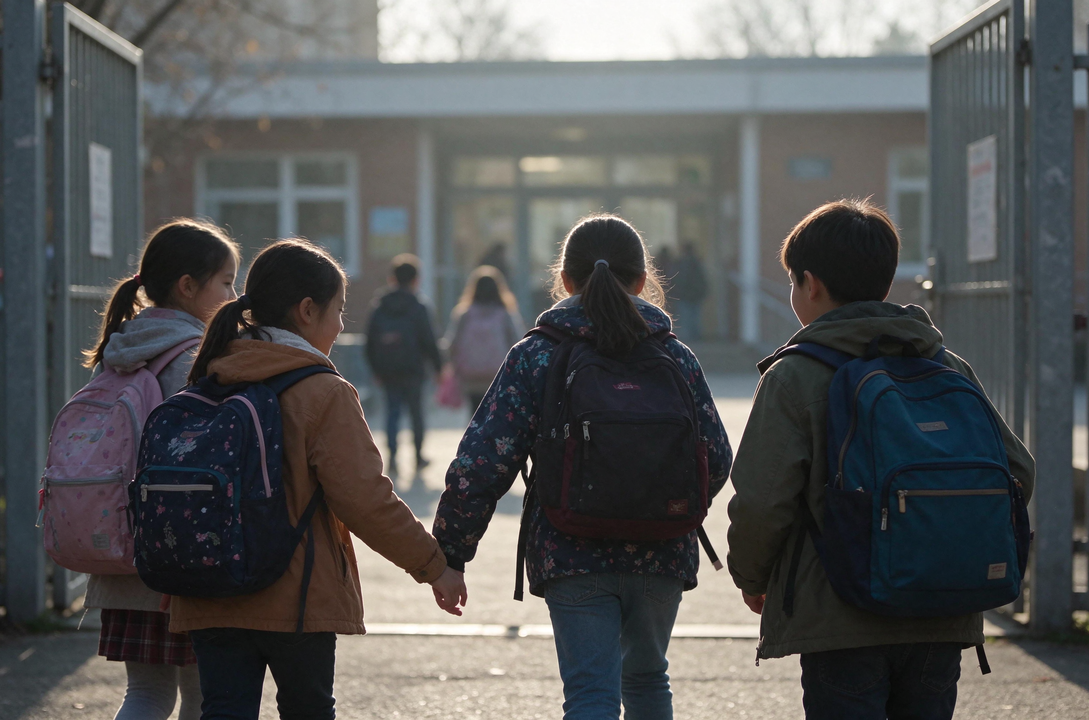
Seasonal flu is a common illness that can affect children during the year. It can spread quickly in schools because children spend time together in classrooms, playgrounds, and school buses. Flu can cause fever, cough, sore throat, body pain, and tiredness.
Parents often worry when their children become sick during flu season. However, some simple daily habits can help lower the risk of infection. Flu prevention in children starts with good hygiene, healthy habits, proper vaccination, and keeping sick children at home.
In this guide, we will share simple ways parents can protect their children from seasonal flu and help them stay healthy.
What Is Seasonal Flu and How Does It Spread in Children?
Seasonal flu, also called influenza, is an illness caused by influenza viruses. It mainly affects the nose, throat, and lungs. It can spread from one person to another through tiny droplets released when an infected person coughs, sneezes, or talks.
Children can catch flu when they spend time close to someone who is sick. They may also spread germs by touching shared objects and then touching their eyes, nose, or mouth.
Schools can make it easier for flu to spread because many children share the same spaces and classroom items.
Common Flu Symptoms in School-Going Children
Flu symptoms can start suddenly. Some children may have mild symptoms, while others may become very sick.
Common signs include:
- Fever or feeling feverish
- Cough and sore throat
- Runny or blocked nose
- Headache
- Muscle and body pain
- Tiredness and weakness
- Chills
- Vomiting or diarrhea in some children
These symptoms can sometimes look like a common cold. If your child has flu-like symptoms, contact a healthcare professional for advice when needed.
Effective Tips for Flu Prevention in Children
Parents can follow these simple steps to reduce the spread of flu at home and school.
1. Make Sure Your Child Gets the Annual Flu Vaccine
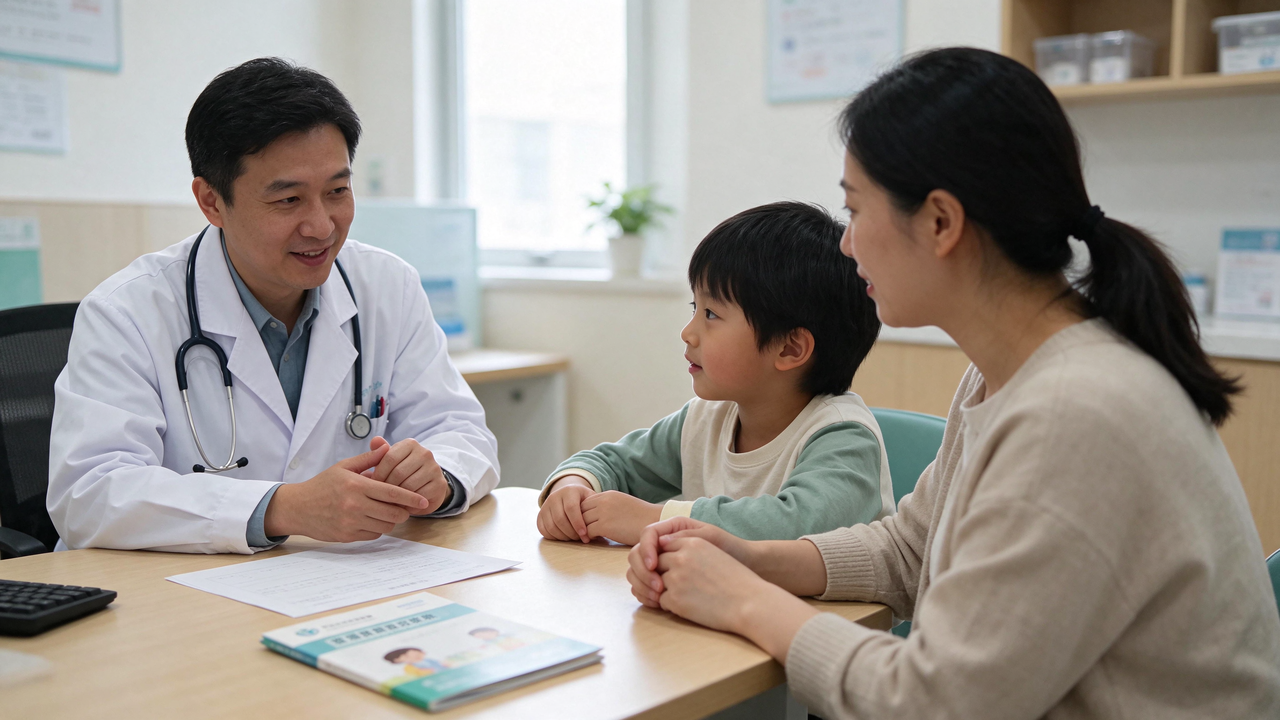
Flu vaccination is one of the best ways to protect children from seasonal flu and its serious complications. The vaccine is updated to help protect against the flu viruses expected to spread during the season.
The CDC recommends yearly flu vaccination for everyone aged six months and older. However, vaccine schedules and available options can differ between countries. Ask your child’s doctor about the right vaccine and timing.
Read more from the CDC guide to flu and children.
2. Teach Children to Wash Their Hands Properly
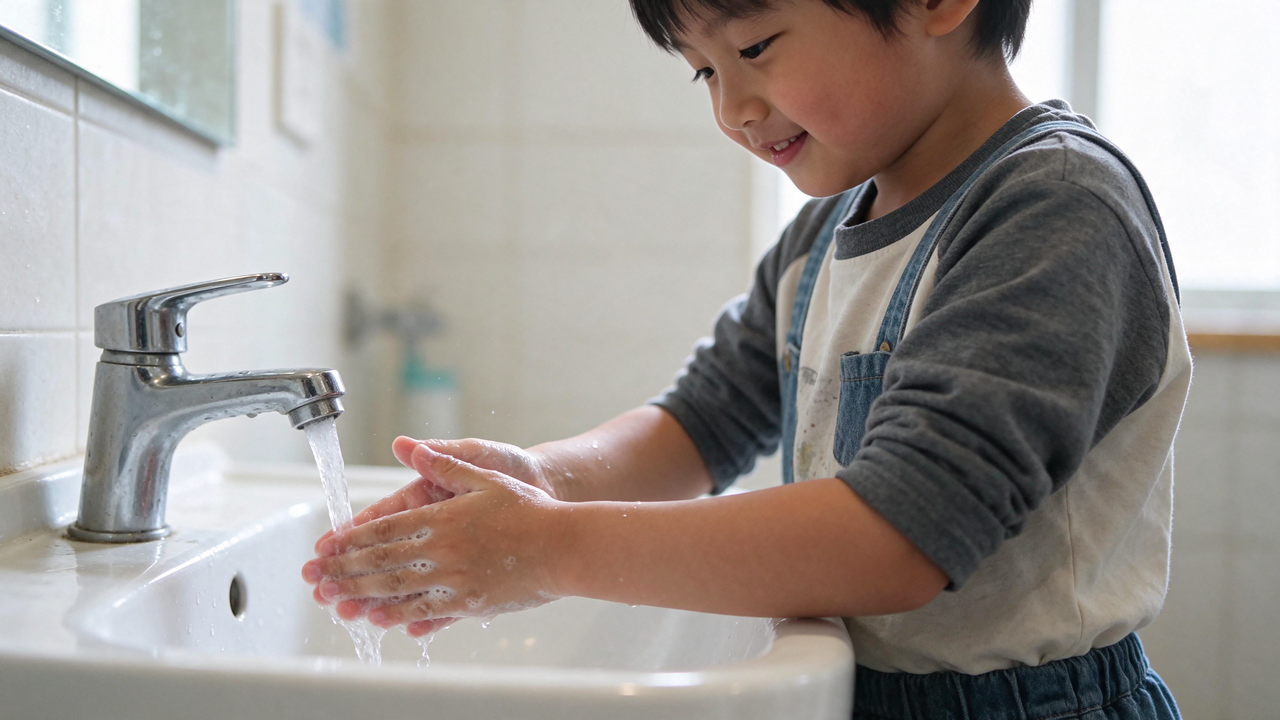
Handwashing is a simple way to reduce the spread of germs. Teach children to wash their hands with soap and clean water, especially before eating, after using the toilet, and after playing outside.
Encourage them to wash their hands for at least 20 seconds. If soap and water are not available, an alcohol-based hand sanitizer can be useful when appropriate.
3. Teach Children to Cover Their Coughs and Sneezes
Children should cover their mouth and nose when coughing or sneezing. They can use a tissue or their elbow to stop droplets from spreading.
Ask them to throw used tissues into a dustbin and wash their hands afterward. These small habits can help protect classmates and family members.
4. Keep Sick Children at Home
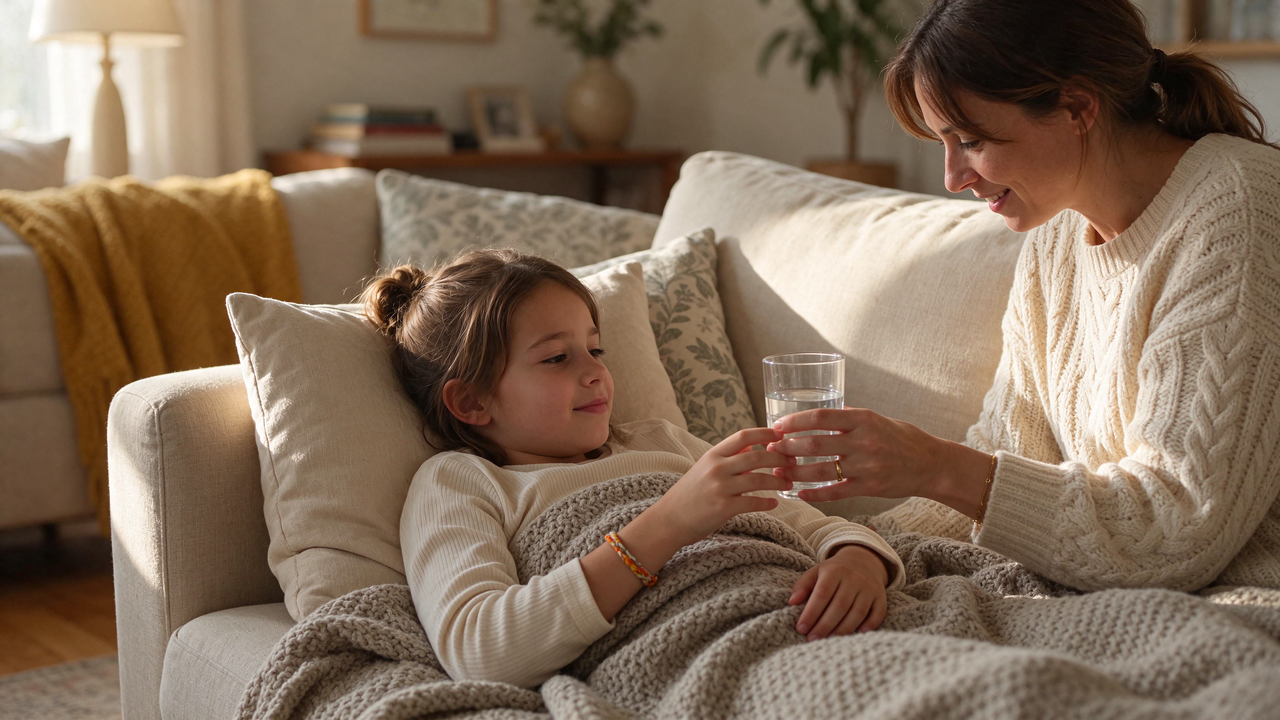
If your child has flu symptoms, do not send them to school. Give them enough time to rest and recover.
This also helps prevent other children and teachers from getting sick. Follow your school’s illness policy. As general CDC guidance, children can return to normal activities when symptoms have been improving overall and they have been fever-free for at least 24 hours without fever-reducing medicine.
5. Encourage Healthy Eating Habits
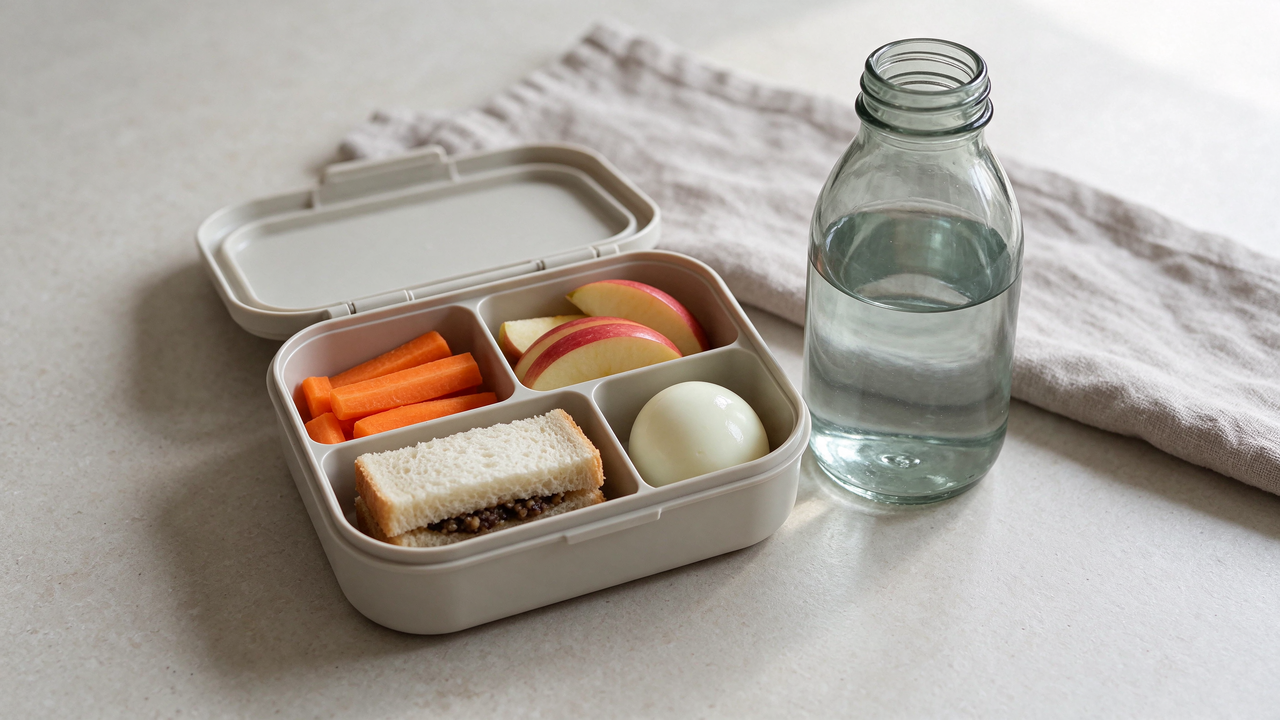
A balanced diet helps support children’s normal immune system function. Include different fruits, vegetables, whole grains, and protein-rich foods in their daily meals.
Oranges, apples, carrots, spinach, eggs, and beans are some healthy food choices. Remember, no single food can prevent flu, but good nutrition supports overall health.
6. Make Sure Children Get Enough Sleep
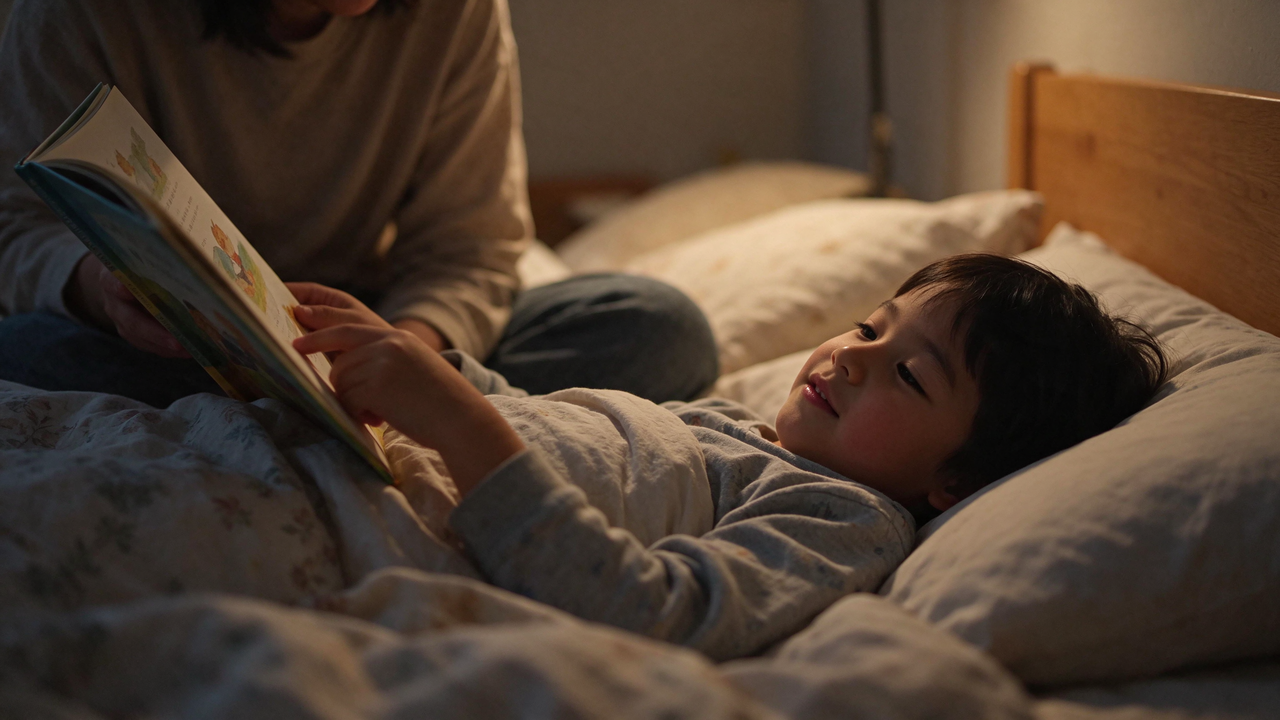
Sleep is important for children’s growth and health. Not getting enough sleep can affect their mood, energy, and ability to focus at school.
Create a regular bedtime routine and limit screen time before sleeping. Make sure your child gets the amount of sleep recommended for their age.
7. Keep School Bags and Personal Items Clean
Children use many shared items during the school day. Encourage them to keep their lunch boxes, water bottles, and school bags clean.
Teach children not to share personal items such as water bottles, towels, or eating utensils. Clean frequently touched items regularly, especially when someone at home is sick.
8. Keep Classrooms Well-Ventilated
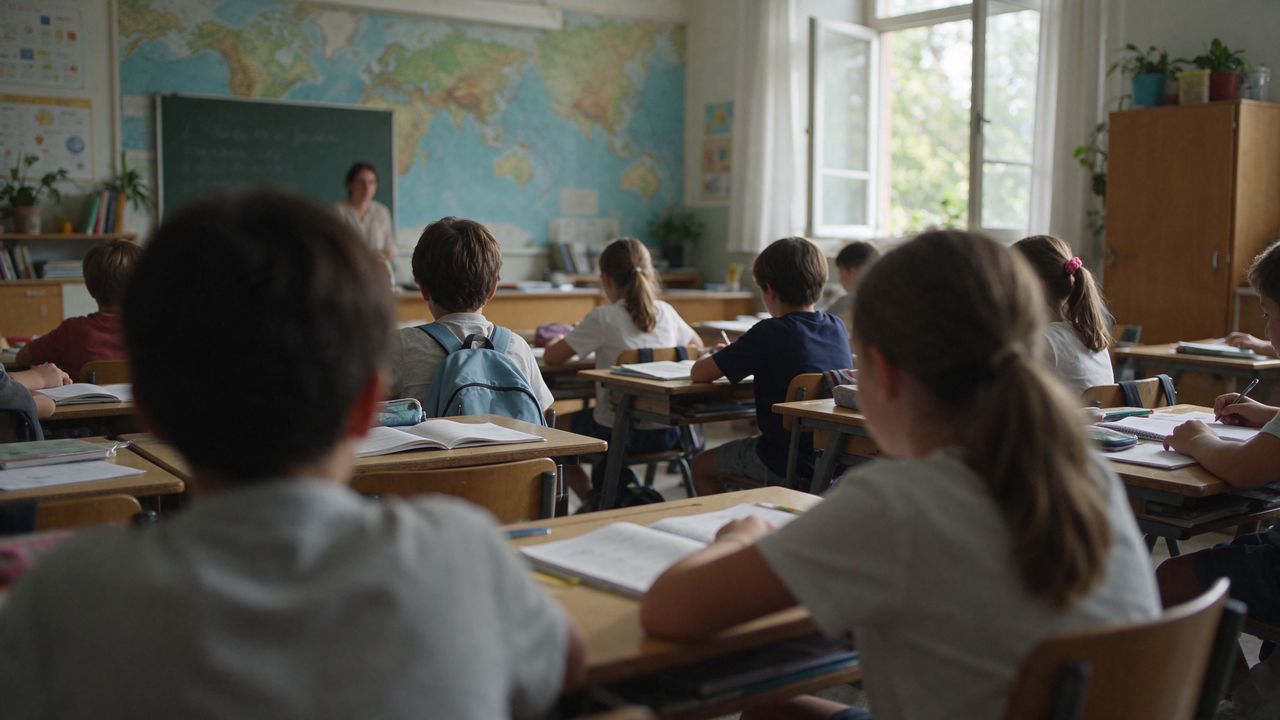
Fresh air can help lower the number of respiratory virus particles indoors. Schools should open windows when possible and maintain good ventilation.
Parents can also encourage schools to follow proper cleaning and hygiene practices. These steps can help create a healthier learning environment.
9. Encourage Children to Drink Enough Water
Children need enough water to support normal body functions. Encourage them to carry a water bottle to school and drink water throughout the day.
Water is a healthy everyday choice. Avoid making sugary drinks a regular part of their daily routine.
10. Teach Children Not to Touch Their Face With Unwashed Hands
Children often touch their eyes, nose, and mouth without thinking. Germs on their hands can enter the body through these areas.
Remind them to wash their hands before touching their face or eating food. Building this habit can help reduce the spread of germs.
What Should Parents Do If Their Child Gets the Flu?
Even the best flu prevention in children cannot stop every infection. If your child becomes sick, focus on helping them rest and recover.
Here are some useful steps:
- Let your child rest at home.
- Offer enough water and other suitable fluids.
- Monitor their symptoms and temperature.
- Contact a doctor if symptoms are severe or your child is at higher risk of complications.
- Follow medical advice about treatment and medicines.
- Do not give aspirin to children or teenagers with suspected flu unless specifically directed by a healthcare professional.
Antibiotics do not treat flu because influenza is caused by a virus. A doctor may recommend antiviral medicine in certain cases, especially for children at higher risk of complications. Early medical advice is important.
For more information, visit the CDC guide on what to do if you get sick with flu.
When Should Parents Seek Medical Help?
Most children recover from flu, but some can develop serious health problems. Parents should watch their child’s symptoms carefully.
Seek urgent medical help if your child has:
- Fast or difficult breathing.
- Bluish lips or face.
- Chest pain.
- Severe dehydration, such as no urine for eight hours.
- Unusual sleepiness or difficulty waking up.
- Fever or cough that improves but later returns or becomes worse.
Babies younger than 12 weeks need immediate medical evaluation for any fever. If your child has a serious symptom, do not wait for it to improve on its own.
Frequently Asked Questions
1. How can I prevent seasonal flu in my child?
For flu prevention in children, make sure your child receives the recommended flu vaccine. Teach regular handwashing, healthy eating, proper sleep, and cough-covering habits. Keep sick children at home to reduce the spread of infection.
2. Can children get the flu even after vaccination?
Yes. Flu vaccination does not prevent every infection. However, it can reduce the risk of serious illness and complications.
3. How often should children get a flu vaccine?
Annual flu vaccination is recommended for children aged six months and older under CDC guidance. Ask your child’s healthcare provider about the appropriate schedule in your country.
4. Should a child with flu symptoms go to school?
No. A child with flu symptoms should stay home and rest. They should return when their symptoms are improving and they have been fever-free for at least 24 hours without fever-reducing medicine, while following school health rules.
5. What are the first signs of flu in children?
Common early signs include fever, cough, sore throat, headache, body pain, and tiredness. Symptoms can begin suddenly and may differ between children.
Flu prevention in children starts with simple and healthy daily habits. Parents can help protect their children by encouraging handwashing, providing balanced meals, ensuring proper sleep, and following recommended flu vaccination schedules.
It is also important to keep sick children at home and seek medical advice when symptoms become serious. Small steps at home and school can help reduce the spread of flu and protect other children.
For more helpful information, explore HealthyGenre for health, nutrition, and wellness tips that support a healthier family lifestyle.