Winter is a season when many people drink less water than usual. Since the weather is cold, you may not feel as thirsty as you do during summer. However, your body still needs enough fluids to work properly. You continue to lose water through breathing, sweating, and urination, even when temperatures are low. Dehydration in winter can happen when your body loses more fluids than you take in. It may lead to problems such as dry mouth, headaches, tiredness, and dizziness. The good news is that simple daily habits can help you stay hydrated and feel better throughout the colder months.
Why Does Dehydration Happen During Winter?
Many people connect dehydration with hot weather, but it can also happen during winter. Several factors may increase the risk of losing more fluids or drinking less water.
- Reduced thirst: Cold weather may make you feel less thirsty, so you might forget to drink water regularly.
- Dry indoor air: Heating systems can make indoor air dry, which may contribute to dry lips, mouth, and throat.
- Fluid loss through breathing: You continue to lose water when you breathe, including in cold, dry air.
- Sweating during activities: Wearing heavy winter clothing while exercising or doing outdoor work can cause sweating and fluid loss.
- Drinking fewer fluids: Some people replace water with other drinks or simply drink less throughout the day.
These habits can increase the risk of dehydration if you do not replace the fluids your body loses. The MedlinePlus guide to dehydration explains common causes and risk factors.
What Are the Common Signs of Dehydration?
Recognising the early signs of dehydration can help you take action before the problem becomes more serious.
Common symptoms include:
- Dry mouth and lips: Your mouth may feel sticky, and your lips may become dry.
- Dark yellow urine: Your urine may become darker than usual when you are not getting enough fluids.
- Headaches: Some people experience headaches when they are dehydrated.
- Tiredness: You may feel unusually weak or low on energy.
- Dizziness: You may feel lightheaded, especially when standing up.
- Feeling thirsty: Increased thirst is one of the common signs that your body needs fluids.
- Urinating less often: You may pass less urine than usual.
These symptoms can have other causes too. If they continue or become worse, seek medical advice. Read the NHS guide to the symptoms of dehydration for more information about warning signs and when to get help.
How to Prevent Dehydration in Winter
Staying hydrated does not need to be difficult. A few simple changes to your daily routine can help you maintain a healthy fluid balance.
Drink Water Throughout the Day
Do not wait until you feel thirsty to drink water. Try to have small amounts regularly throughout the day.
Keep a water bottle near your desk, bed, or workplace so you remember to drink. You can also drink a glass of water with meals to make hydration part of your routine.
The CDC recommends drinking water regularly because it helps the body function normally and can prevent dehydration.
Include Warm Fluids in Your Routine

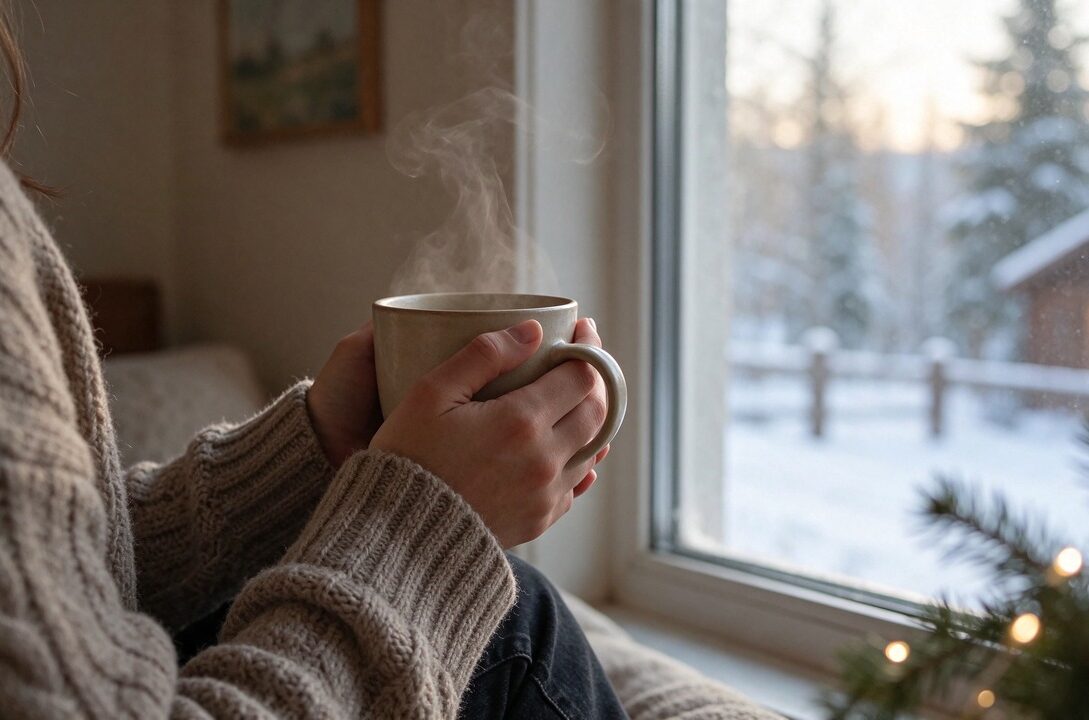
If you do not enjoy drinking cold water during winter, choose suitable warm drinks instead. Warm water, milk, and caffeine-free herbal drinks can contribute to your daily fluid intake.
You can also enjoy homemade soups and broths. These provide fluids and can be a comfortable choice on cold days.
The NHS guide to water, drinks, and hydration explains which drinks can contribute to your daily fluid intake.
Eat Water-Rich Foods

Drinking water is important, but food can also provide fluids. Add fruits and vegetables with high water content to your meals.
Some good choices include:
- Oranges
- Apples
- Cucumbers
- Watermelon
- Strawberries
- Tomatoes
- Lettuce
- Vegetable soups
Eating a balanced diet with fruits and vegetables can support your overall health and hydration. The CDC’s information about water and healthier drinks also explains how foods such as fruits and vegetables contribute to daily fluid intake.
Keep Water Easily Accessible
When water is nearby, you are more likely to drink it regularly. Keep a bottle in your bag when travelling or place one where you spend most of your time at home.
You can also set simple reminders if you often forget to drink water during busy working hours.
Stay Hydrated During Exercise
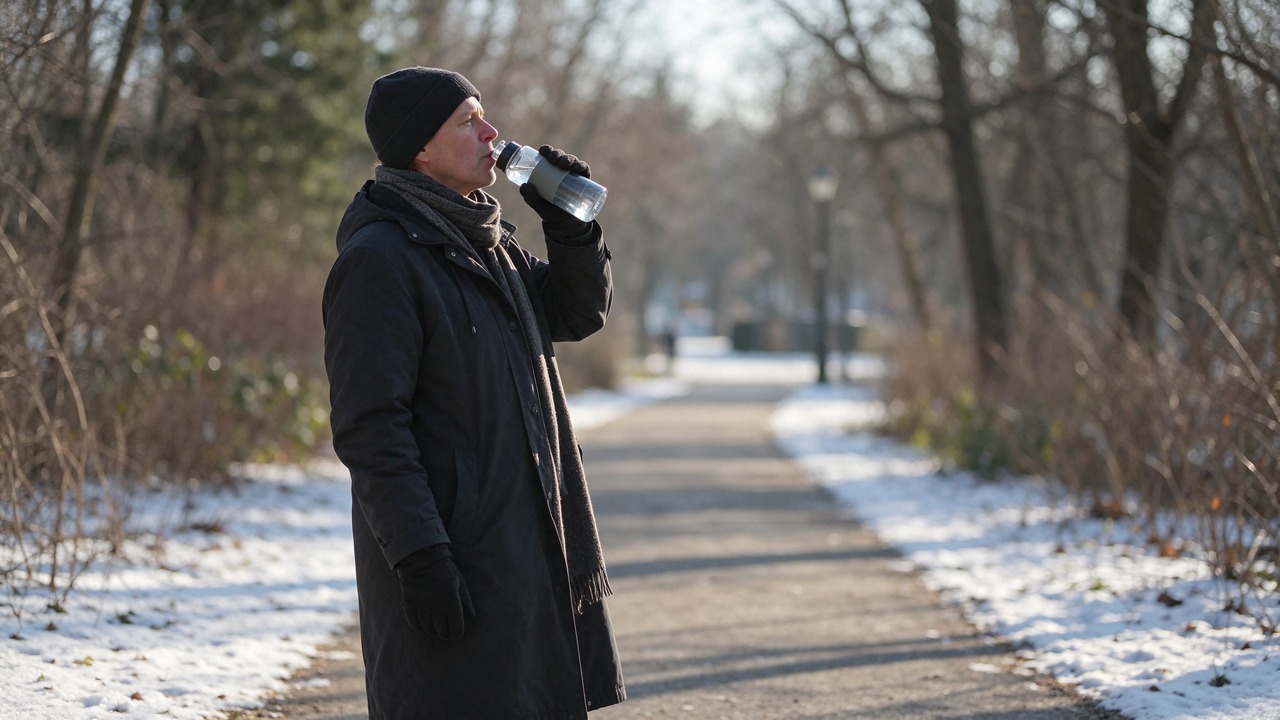
Cold weather does not stop your body from losing fluids through sweat. If you walk, exercise, play sports, or work outdoors, remember to drink enough fluids.
Drink water before and after physical activity. During longer or more intense activities, take regular water breaks as needed.
The CDC’s physical activity guidance provides general recommendations for staying active and supporting your health.
Limit Excessive Alcohol and Caffeine
Alcohol can increase fluid loss and is not a good choice for hydration. Drinking too much caffeine may also affect some people’s fluid balance and sleep.
You do not necessarily need to avoid ordinary tea or coffee completely. However, water and other suitable drinks should remain part of your daily routine. The NHS hydration guidance provides further advice about choosing drinks and consuming caffeine in moderation.
Pay Attention to Your Urine Colour
Urine colour can offer a general clue about hydration. Pale yellow urine is often a useful sign that you are getting enough fluids.
Dark yellow urine may mean you need more fluids. However, certain foods, medicines, and health conditions can also change urine colour, so it is not a perfect measure.
How Much Water Should You Drink During Winter?
There is no single daily water target that works for everyone. Your fluid needs depend on factors such as age, body size, physical activity, diet, health, and climate.
Water is an important source of fluids, but milk, other suitable drinks, and water-rich foods also contribute to daily intake.
A helpful approach is to drink regularly throughout the day and pay attention to signs such as thirst and changes in urine colour. The CDC explains how daily water needs vary between individuals.
People with kidney disease, heart conditions, or other health problems may have specific fluid limits. For example, the National Institute of Diabetes and Digestive and Kidney Diseases (NIDDK) explains that some people with chronic kidney disease need to limit their fluid intake. Follow your healthcare professional’s advice rather than increasing water intake without guidance.
Who Is More at Risk of Dehydration in Winter?
Although anyone can become dehydrated, some people may have a higher risk.
- Older adults: They may have a weaker sense of thirst and may not notice when they need more fluids.
- Young children and babies: They can lose fluids quickly, especially during illness.
- People who exercise outdoors: Sweating during physical activity can increase fluid loss.
- People with fever, vomiting, or diarrhoea: These conditions can cause the body to lose more water.
- People taking certain medicines: Some medicines, including diuretics, can increase urination and fluid loss.
- People with ongoing health conditions: Certain medical conditions can affect the body’s fluid balance.
Family members and caregivers should pay attention to the drinking habits of older adults and children, particularly during illness. The NHS dehydration guidance also highlights that babies, children, and older adults are more vulnerable.
When Should You Seek Medical Help?
Mild dehydration may improve when you replace lost fluids, but more serious dehydration needs medical attention.
Contact a healthcare professional if you experience persistent dizziness, very dark urine, reduced urination, unusual tiredness, or a fast heartbeat.
Seek urgent medical help if someone becomes confused, difficult to wake, has difficulty breathing, or shows signs of severe dehydration. These symptoms may indicate a serious problem.
If vomiting or diarrhoea causes significant fluid loss, a healthcare professional or pharmacist may recommend an oral rehydration solution to replace lost fluids and salts. The NHS explains how oral rehydration solutions can help replace fluids and salts.
Frequently Asked Questions
Can you get dehydrated in winter?
Yes. Dehydration can happen during any season. People may drink less water in winter because they feel less thirsty, but the body continues to lose fluids through breathing, sweating, and urination.
Why do I feel less thirsty during cold weather?
Cold weather can reduce the feeling of thirst in some people. As a result, you may not feel the need to drink water as often as you do during summer.
Are warm drinks good for hydration?
Yes. Warm water, milk, and suitable caffeine-free drinks can contribute to your daily fluid intake. They are useful options if you do not enjoy drinking cold water during winter.
Does tea or coffee cause dehydration?
Normal amounts of tea and coffee can contribute to fluid intake. However, excessive caffeine may not be suitable for everyone, so it is helpful to include water and other suitable drinks in your routine.
What are the first signs of dehydration?
Common early signs include thirst, dry mouth, darker urine, headaches, and tiredness. If symptoms become severe or do not improve, seek medical advice.
Conclusion
Dehydration in winter is easy to overlook because cold weather may reduce your feeling of thirst. However, your body still needs enough fluids to support normal functions throughout the day.
Drink water regularly, include warm drinks and water-rich foods in your meals, and stay hydrated during physical activity. Pay attention to possible signs of dehydration, especially in children and older adults.