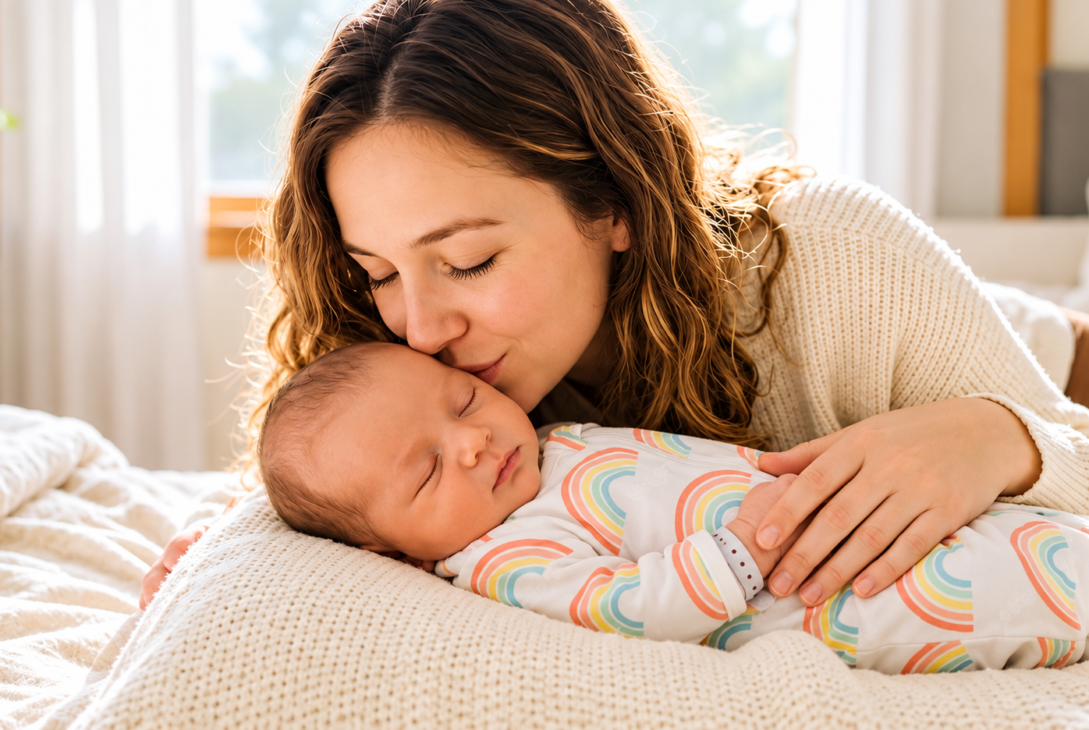
Winter can be a challenging time for newborn babies because their bodies are not yet very good at controlling temperature. Knowing how to keep newborn babies care during winter can help parents protect their little ones from excessive cold, overheating, and common seasonal infections. Simple habits involving clothing, feeding, hygiene, and safe sleeping can make a difference. Parents can also find more health and wellness tips to support their family’s everyday well-being.
Why Do Newborn Babies Need Extra Care During Winter?
Newborn babies are more sensitive to temperature changes than older children and adults. Their bodies are still developing, so they may struggle to stay comfortably warm in cold surroundings. At the same time, too many clothes or a very warm room can cause overheating.
Winter also brings changes in daily routines. Babies may spend more time indoors, where close contact with people can increase exposure to respiratory infections. Parents should focus on keeping their baby comfortable, maintaining good hygiene, and following safe newborn care practices.
12 Essential Winter Safety Tips for Newborn Babies
1. Dress Your Baby in Comfortable Layers
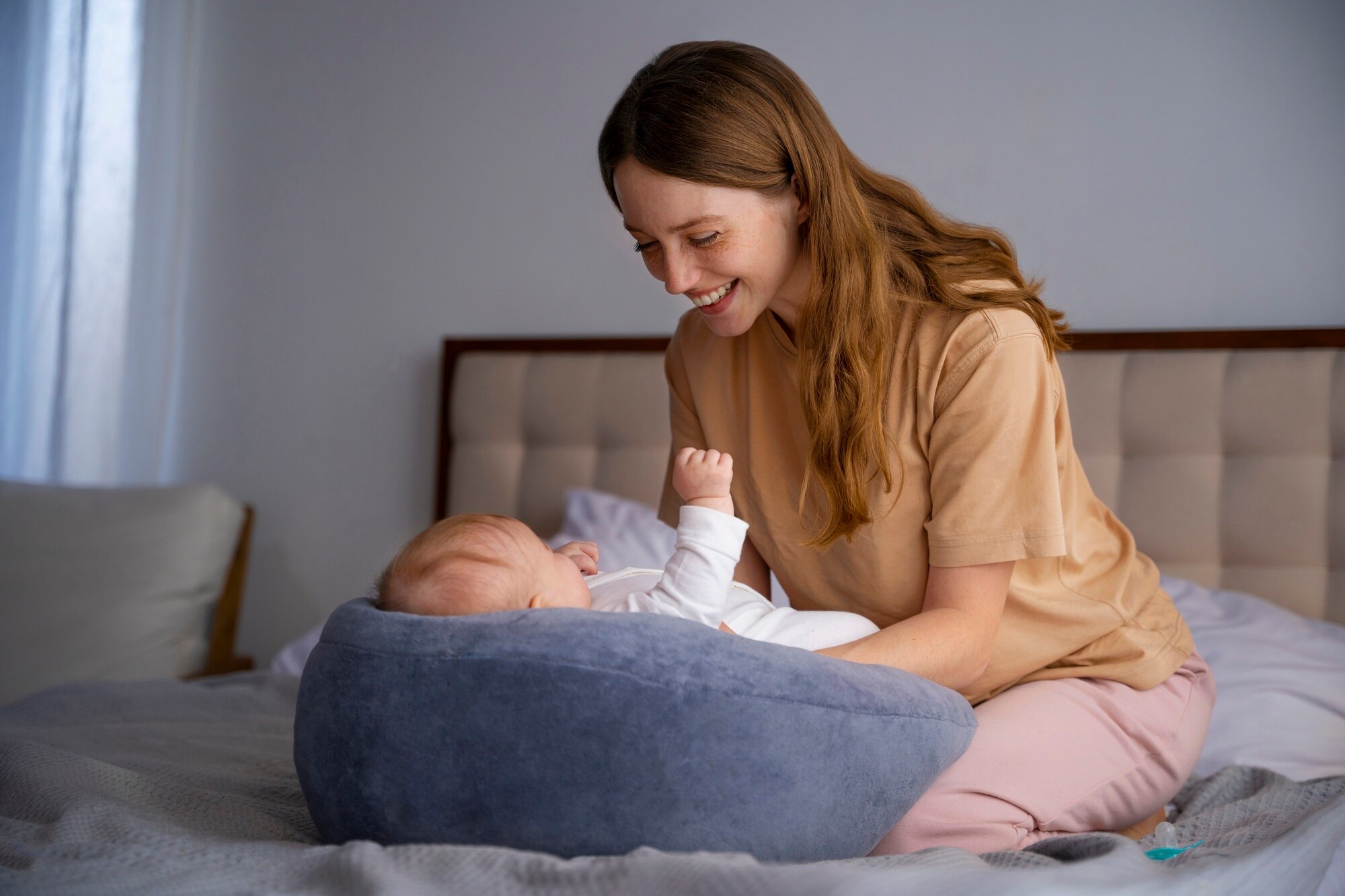
Dress your newborn in soft, comfortable layers to help maintain a suitable body temperature. A simple rule is to dress your baby in about one more layer than an adult would comfortably wear in the same environment.
Choose breathable cotton clothing and adjust layers when moving between warm indoor spaces and cold outdoor conditions. Avoid very tight clothing that may make your baby uncomfortable.
2. Keep the Baby’s Room at a Comfortable Temperature
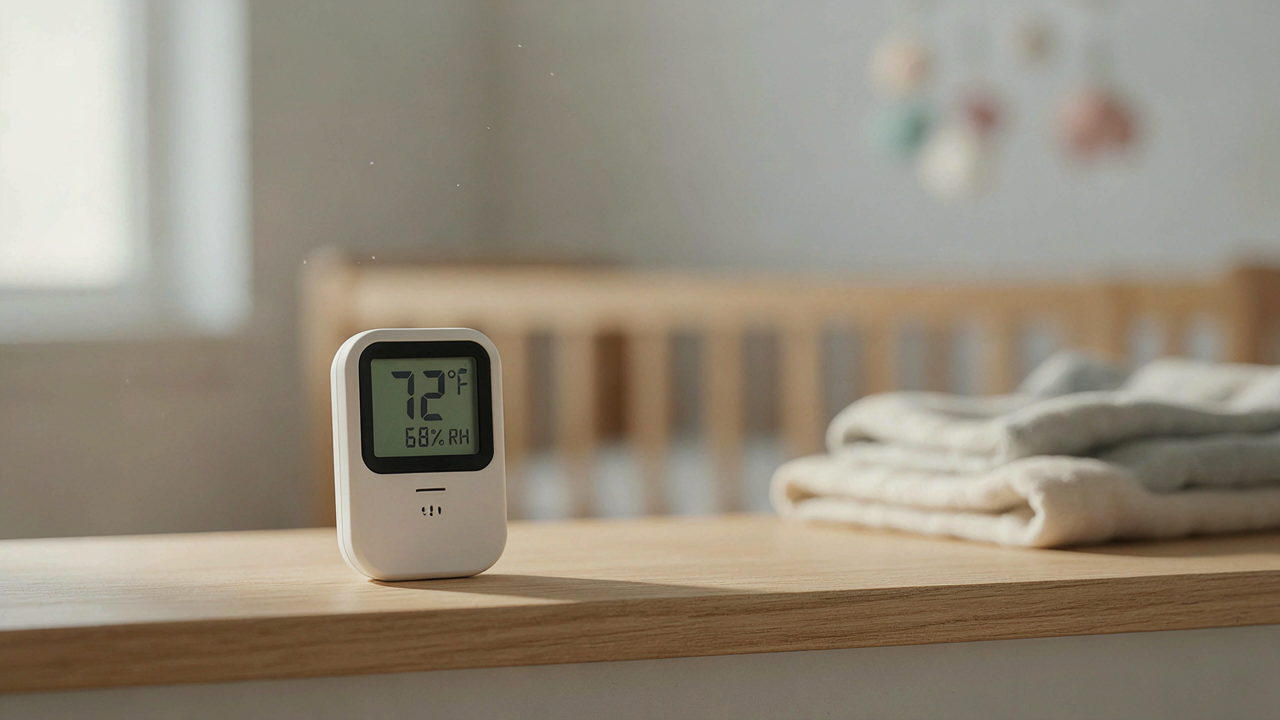
A comfortable room helps your newborn stay warm without becoming overheated. Use a room thermometer instead of guessing the temperature.
Avoid placing the baby’s cot close to a heater, radiator, or open fire. Do not use heating devices that produce smoke or may cause burns. Keep the room comfortably ventilated and avoid excessive heating.
3. Follow Safe Sleeping Practices
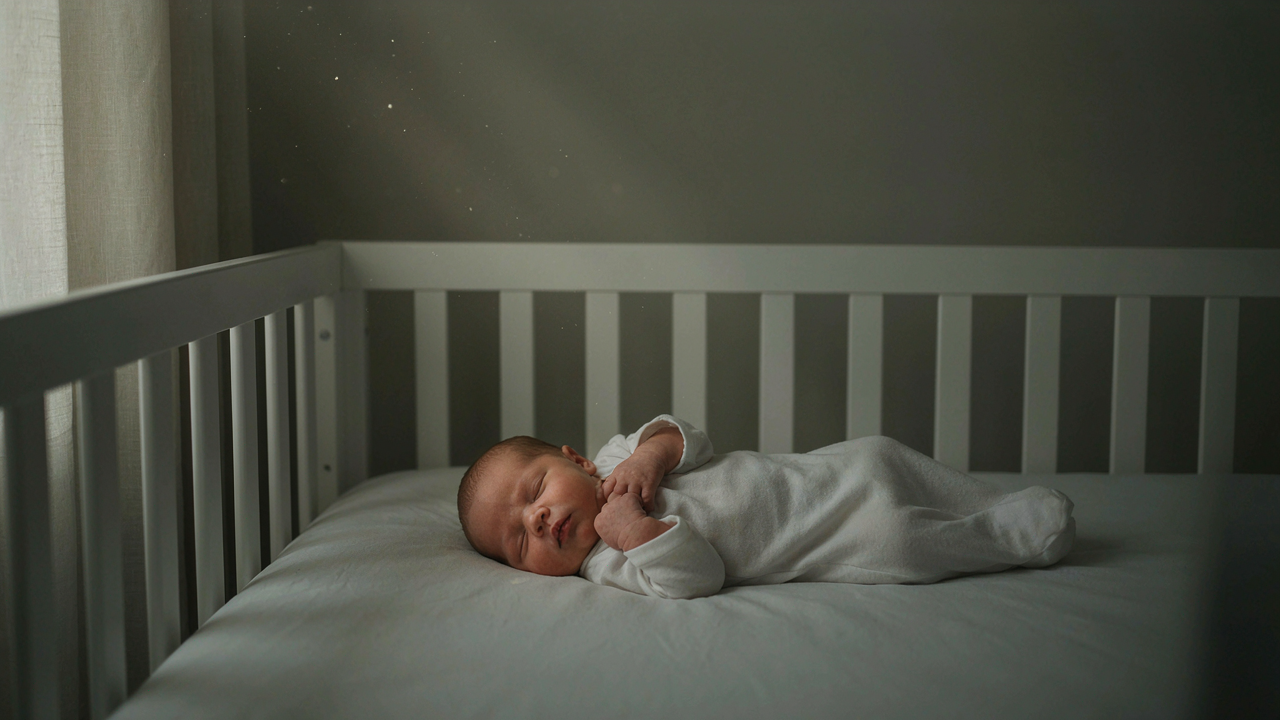
Safe sleep is especially important during winter. Always place your baby on their back for every sleep, including daytime naps.
Use a firm, flat sleep surface with a fitted sheet. Keep pillows, loose blankets, quilts, and soft toys out of the baby’s sleeping area. A properly sized wearable blanket can be a safer option for warmth.
The American Academy of Pediatrics’ safe sleep recommendations explain how to create a safer sleeping environment for infants.
4. Avoid Overdressing Your Newborn
Parents sometimes add too many clothing layers because they worry their baby may feel cold. However, excessive clothing and heavy bedding can cause overheating.
Check your baby’s chest or back to understand whether they feel comfortably warm. Sweating, flushed skin, or a very hot chest may indicate that your baby is too warm. Cool hands and feet alone do not necessarily mean your baby is cold.
5. Protect Your Baby’s Skin from Dryness
Cold weather and indoor heating can make a newborn’s skin feel dry. Use gentle, fragrance-free baby skincare products when needed.
Avoid harsh soaps, strong fragrances, and unverified home remedies. If your baby’s skin becomes very dry, develops a rash, or appears irritated, ask a healthcare professional for advice before trying new products.
6. Continue Breastfeeding or Appropriate Feeding
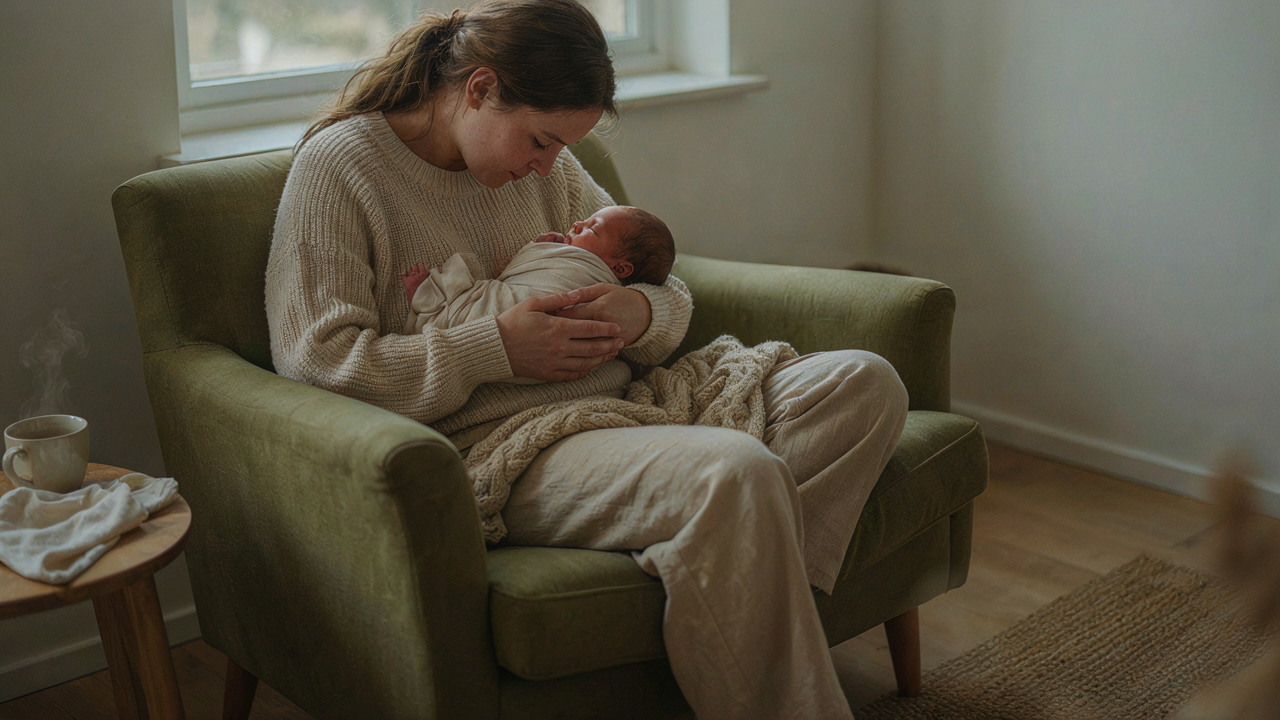
Regular feeding is important for your newborn’s growth and hydration throughout winter. Breast milk provides nutrition and immune-supporting components, while correctly prepared infant formula provides essential nutrients for babies who are formula-fed.
Follow your baby’s feeding cues and your healthcare professional’s advice. Do not give newborns plain water, herbal drinks, honey, or other foods unless specifically advised by a qualified healthcare professional.
7. Keep Your Baby Away from Sick People
Newborn babies are vulnerable to infections, so try to limit close contact with people who have a cough, cold, fever, or other signs of illness.
Ask visitors to postpone their visit if they are unwell. Avoid crowded places when possible, particularly during periods when respiratory infections are spreading.
8. Maintain Proper Hand Hygiene
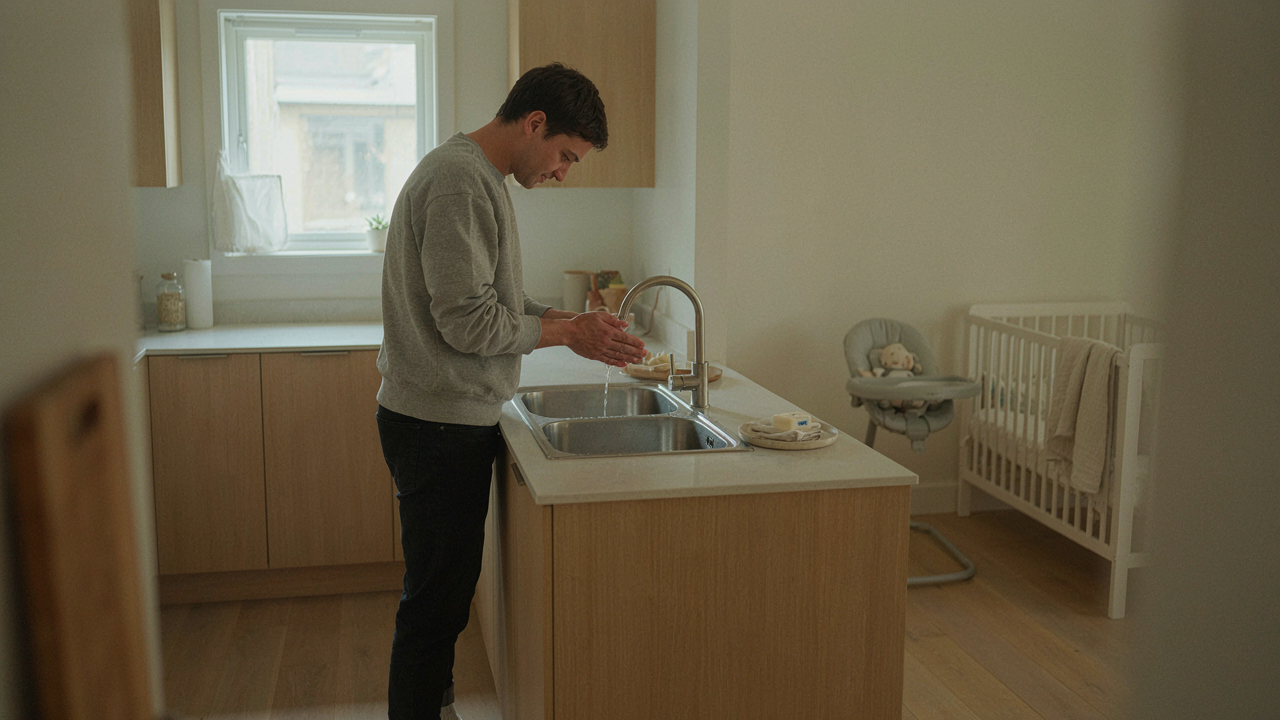
Good hand hygiene can help reduce the spread of germs. Parents, caregivers, and visitors should wash their hands with soap and water before touching, feeding, or holding the baby.
Keep frequently used baby items clean and avoid sharing towels or feeding equipment without proper washing. Encourage everyone who handles your newborn to follow these basic hygiene habits.
9. Give Your Baby Safe Sunlight Exposure
Natural daylight can be part of a healthy daily routine, but newborns need protection from direct sunlight. Their skin is delicate and can be easily damaged by strong sun exposure.
You can spend time with your baby in a comfortably lit indoor space or a shaded outdoor area when the weather is suitable. Do not use direct sunlight as a treatment for jaundice or vitamin D deficiency. Ask your healthcare professional whether your baby needs vitamin D supplementation.
10. Take Care When Bathing Your Newborn
Bathing your baby during winter requires a little extra care. Choose a comfortably warm room and use warm, not hot, water.
Keep bath time short and never leave your baby alone in the bath, even for a moment. After bathing, gently dry your baby, especially around the skin folds, and dress them promptly in comfortable clothes.
11. Avoid Taking Your Baby Out in Extreme Cold
Newborn babies do not need unnecessary exposure to very cold weather. If you need to go outside, dress your baby in suitable layers and protect exposed skin from cold winds.
Use an appropriate cover for the stroller without blocking airflow. Never cover the baby’s face or leave them unattended in a car. Remove extra layers when entering a heated indoor space to prevent overheating.
12. Watch for Signs of Illness
Pay attention to changes in your baby’s normal behaviour. Warning signs can include poor feeding, unusual sleepiness, reduced activity, breathing difficulties, and fewer wet nappies.
Check your baby’s temperature with a suitable digital thermometer if you are concerned. A temperature of 38°C (100.4°F) or higher in a baby younger than three months needs urgent medical assessment.
Do not give cold medicines, cough syrups, or home remedies to a newborn without medical advice.
When Should Parents Contact a Doctor?
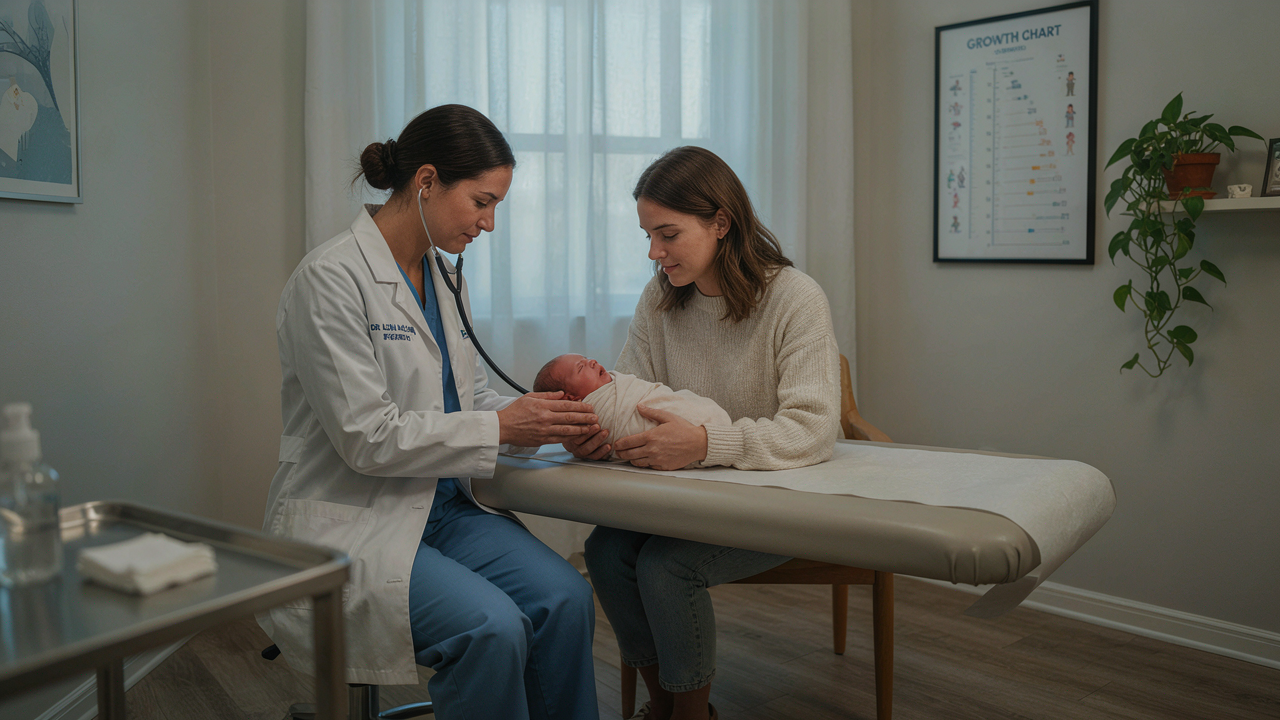
Newborn babies can become unwell quickly, so parents should not ignore unusual symptoms. Contact a healthcare professional promptly if your baby:
- Has a temperature of 38°C (100.4°F) or higher and is younger than three months.
- Refuses feeds or feeds much less than usual.
- Has fewer wet nappies than normal.
- Is unusually sleepy or difficult to wake.
- Shows signs of dehydration or unusual weakness.
Some symptoms need emergency medical help. These include difficulty breathing, blue or grey lips or skin, or a baby who is unresponsive. Seek emergency care immediately rather than waiting for symptoms to improve.
For further guidance, the American Academy of Pediatrics’ advice on fever in babies explains why a fever in a young infant needs prompt medical attention.
Winter newborn care is mainly about maintaining a comfortable temperature, following safe sleeping practices, providing regular feeds, and protecting babies from infections. Parents should also watch for changes in their baby’s feeding, activity, and breathing.
Understanding how to keep newborn babies safe during winter helps parents make better everyday care decisions. Every baby is different, so contact a qualified healthcare professional whenever you are concerned about your newborn’s health or safety.
Frequently Asked Questions
1. How should I dress my newborn baby in winter?
Dress your baby in comfortable, breathable layers suited to the room or outdoor temperature. A useful starting point is one more layer than an adult would wear comfortably. Check your baby’s chest or back and remove layers if they become sweaty or too warm.
2. What is the ideal room temperature for a newborn in winter?
The NHS recommends a room temperature of around 16–20°C for sleeping babies. However, comfort and clothing also matter. Use a room thermometer, avoid excessive heating, and check your baby’s chest to make sure they are not too hot.
3. How can I keep my newborn warm at night safely?
Use suitable sleep clothing or a correctly sized wearable blanket. Always place your baby on their back on a firm, flat sleep surface. Avoid loose blankets, pillows, quilts, hot water bottles, and electric blankets in the sleeping area.
4. Can I take my newborn baby outside during winter?
Yes, when the weather is suitable and your baby is dressed appropriately. Protect them from cold winds and avoid unnecessary exposure to extreme temperatures. Remove extra layers when entering a warm indoor space so your baby does not overheat.
5. How do I know if my newborn baby is feeling cold?
Check your baby’s chest or back rather than relying only on their hands and feet. Cool hands and feet can be normal. If your baby feels unusually cold, seems less active, or is feeding poorly, seek medical advice.
6. When should I take my newborn to a doctor during winter?
Seek urgent medical assessment if your baby is younger than three months and has a temperature of 38°C (100.4°F) or higher. Difficulty breathing, blue or grey skin, or unresponsiveness requires emergency medical help.