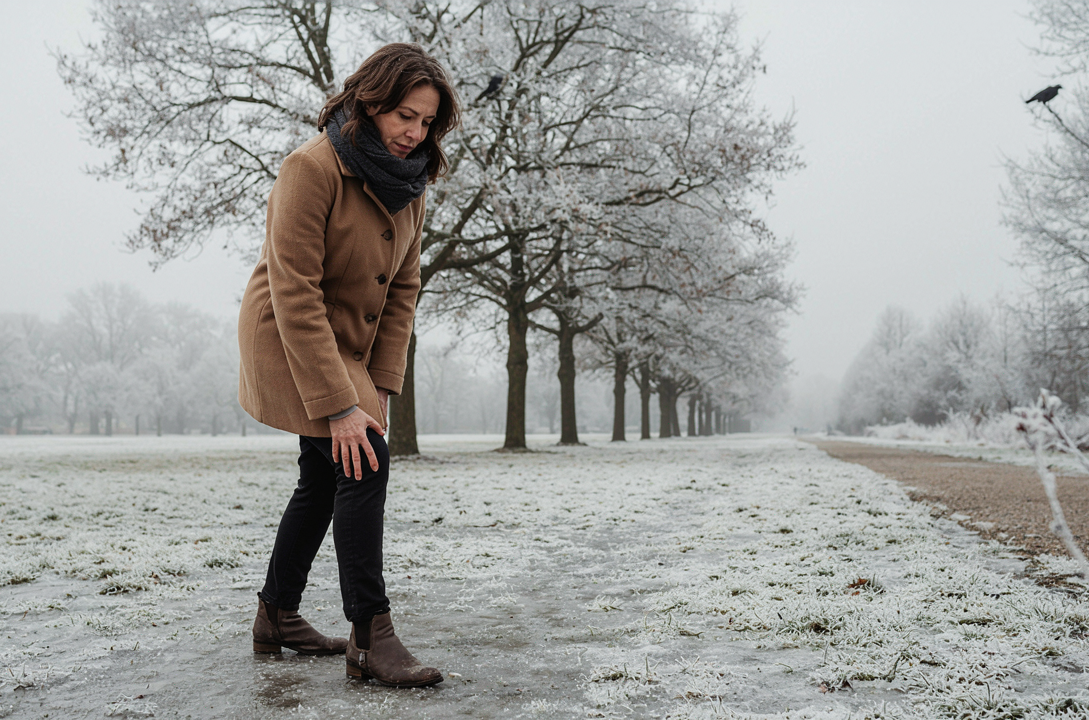
Many people say their knees ache more when the temperature drops. Hands feel stiff in the morning. Stairs seem steeper. If that sounds familiar, you’re not imagining it. Joint pain in winter is a common complaint, and it shows up most often in people who already have arthritis, an old injury, or tight muscles.
Scientists haven’t fully explained why this happens. This article covers what we do know, what is still unclear, and what you can do to feel better.
Why Do Joints Hurt More During Winter
Probably for more than one reason. Research hasn’t found a single clear cause. Some studies link weather to more pain, while others find little connection. Still, many people feel it, and doctors take those reports seriously.
Here are the main ideas behind winter joint stiffness:
- Cold can make muscles and tendons tighten, which limits joint mobility.
- Cold may make pain nerves more sensitive, so the same joint feels worse.
- Air pressure often drops before cold or wet weather. That may cause tissues around a joint to swell a little.
- People tend to move less when it’s chilly and dark outside.
Everyone reacts differently. Some people feel a storm coming a day ahead. Others notice nothing at all.
What Causes Joint Pain in Winter
First, a clear point: cold weather does not cause arthritis. What it can do is make existing aches feel stronger. Several things may be behind that.
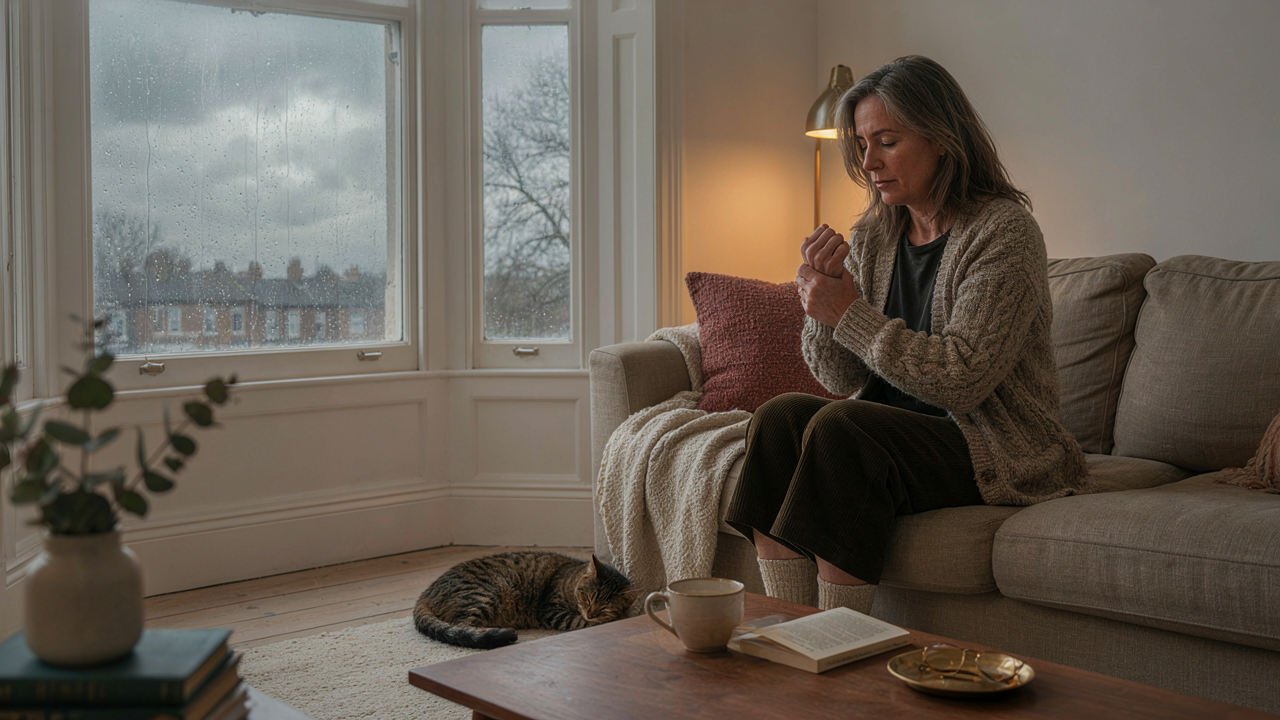
Changes in temperature and air pressure
When air pressure falls, tissues around a joint may expand slightly. In a joint that’s already irritated, that small change may be enough to cause pain. The research on this is mixed, so it’s best seen as a possible explanation, not a proven rule.
Less physical activity
Short days and icy paths keep many of us on the couch. Joints like regular movement. When you sit more, they can feel stiffer and weaker, and knee pain on stairs may get worse.
Muscle stiffness
Tight muscles pull on the joints around them. Cold air adds to that tightness, especially in the morning, before your body has warmed up.
Existing arthritis and joint conditions
People with osteoarthritis, rheumatoid arthritis, or past joint injuries tend to notice weather changes more. Their joints are already sensitive, so small triggers matter.
Changes in daily routine
Winter often brings less sleep, more stress, and heavier food. Poor sleep and stress can make pain feel worse. A new routine can also mean skipping the walks or stretches that were helping.
How to Prevent Joint Pain During Winter
You can’t change the weather, but you can lower your chances of a bad flare-up.
- Keep warm. Dress in layers and wear gloves, warm socks, and a scarf. Keep your knees and hands covered outdoors.
- Stay active. Try to move a little every day, even if you do it indoors.
- Maintain a healthy weight. Extra weight puts more load on your knees and hips.
- Eat a balanced diet. Fruits, vegetables, whole grains, and protein support overall joint health. No food cures joint pain, but good nutrition helps your body in general.
- Drink enough water. People often drink less when it’s cold, but staying hydrated is good for your whole body.
- Avoid sitting too long. Stand up and stretch every half hour or so.
How to Reduce Joint Pain During Cold Weather
If you’re dealing with joint pain in winter, these steps may bring some comfort:

- Stretch gently. Spend a few minutes each morning loosening your neck, shoulders, hips, and knees. Go slowly and stop if something hurts sharply.
- Choose low-impact exercise. Walking, swimming, and cycling are easier on the joints than running or jumping.
- Use warmth. A warm bath or warm compress can ease stiffness. Keep the heat comfortable, not hot, and place a cloth between the compress and your skin.
- Watch your posture. Sitting and standing tall takes strain off your back, hips, and knees.
- Sleep well. Rest helps your body recover, and tired people often feel pain more strongly.
- Follow your doctor’s advice. Take prescribed medicines as directed. Don’t change or stop them on your own.
- Keep a pain diary. Note the weather, your activity, and how your joints feel. Patterns may show up that you can share with your doctor.
Joint Pain in Winter Remedies
Simple self-care can make your days easier, but it has limits. None of the options below is a cure, and none replaces medical care.
- Warm compresses may ease stiffness for a while. They don’t treat the reason behind the pain.
- Gentle movement can improve flexibility and strength over time. Pushing through sharp pain can make things worse.
- Balanced nutrition supports your general health. No food or supplement has been proven to cure arthritis.
- The right exercise depends on your condition. A doctor or physiotherapist can suggest a routine that suits you.
Be careful with creams, supplements, and gadgets that promise fast relief. Ask your doctor or pharmacist before you try them.
When Should You See a Doctor

Aches that come and go with the weather are common. Some signs, though, need a medical check:
- Severe pain
- Swelling that doesn’t go away
- Redness or warmth around a joint
- Fever along with joint pain
- Sudden pain, especially after a fall or injury
- Trouble moving a joint or putting weight on it
A doctor can find out what is going on and suggest the right treatment. Please don’t try to diagnose yourself from the internet.
Conclusion
Joint pain in winter usually comes from a mix of cold-tightened muscles, shifts in air pressure, less activity, and existing joint problems. Cold doesn’t create arthritis, but it can make joints feel worse. Staying warm, moving every day, and sticking to healthy habits may help you manage the discomfort. If your pain feels unusual or severe, talk to a doctor.