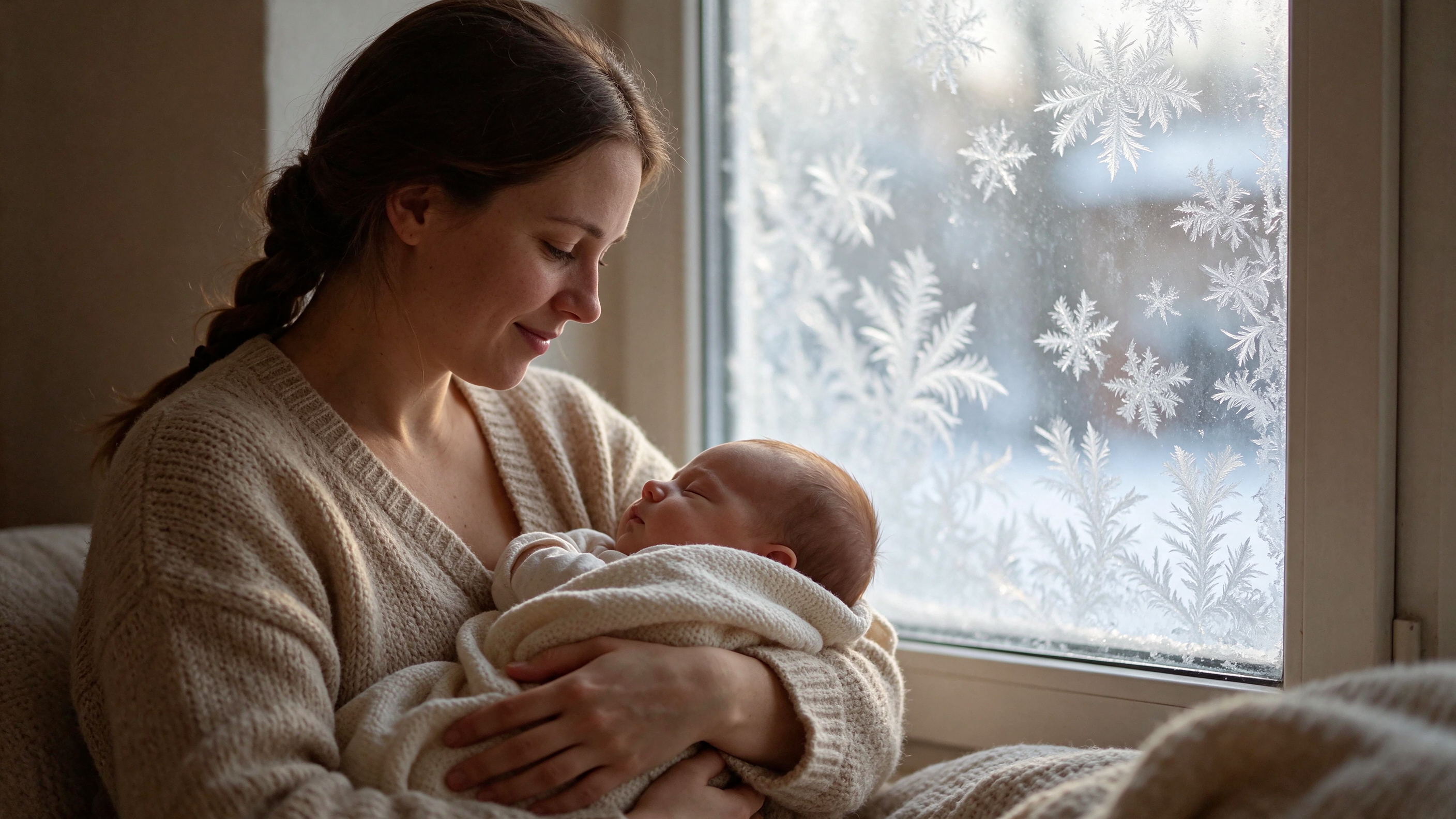
Winter can be a challenging season for babies because their immune systems are still developing, making them more vulnerable to certain infections. Good baby winter care involves maintaining proper hygiene, following recommended vaccinations, providing suitable nutrition, and avoiding unnecessary contact with sick people. Parents can also read our guide to newborn baby care during winter for additional advice on keeping little ones comfortable and safe.
Although cold weather itself does not directly cause infections, respiratory viruses such as the common cold, flu, and RSV can spread during winter. With a few practical precautions, parents can reduce exposure and recognise early signs when their baby needs medical attention.
Why Are Babies More Vulnerable to Winter Infections?
Babies have developing immune systems that are still learning to respond to infections. They may not have the same level of protection as older children and adults, making some illnesses more concerning during the first months of life.
Respiratory viruses can spread through droplets released when an infected person coughs, sneezes, or talks. Germs can also spread through contaminated hands and frequently touched surfaces.
Crowded indoor places, close contact with sick visitors, and poor hand hygiene can increase a baby’s exposure to these viruses. Parents should pay close attention to changes in feeding, breathing, temperature, and normal activity.
Common Winter Infections in Babies
Understanding common winter infections can help parents recognise symptoms and seek medical advice when necessary.
1. Common Cold
A common cold is a viral infection that can cause a runny or blocked nose, sneezing, coughing, and mild discomfort. Babies may also feed less because nasal congestion can make feeding difficult.
2. Flu
Influenza, commonly called the flu, can cause fever, cough, tiredness, and reduced appetite. Some babies may become unusually irritable or have difficulty feeding. Young infants need careful monitoring because flu can sometimes lead to serious complications.
3. Respiratory Syncytial Virus (RSV)
RSV is a common respiratory virus that often causes mild cold-like symptoms. However, it can become serious in young babies, especially those born prematurely or with certain medical conditions.
Symptoms may include a runny nose, coughing, reduced feeding, and breathing difficulties. The CDC’s guide to RSV in infants and young children explains common symptoms and when medical attention may be needed.
4. Bronchiolitis
Bronchiolitis is an infection that affects the small airways in the lungs, often caused by RSV. It can lead to coughing, wheezing, fast breathing, and difficulty feeding.
Some babies recover with supportive care, while others may need medical treatment. Breathing difficulties should always be taken seriously.
5. Ear Infections
Some babies develop ear infections after a cold or another respiratory illness. Possible signs include unusual crying, irritability, disturbed sleep, and difficulty feeding.
A healthcare professional should assess a baby if an ear infection is suspected.
12 Effective Baby Winter Care Tips to Prevent Infections
These practical winter safety tips can help reduce exposure to germs and support your baby’s overall health.
1. Wash Your Hands Before Touching the Baby
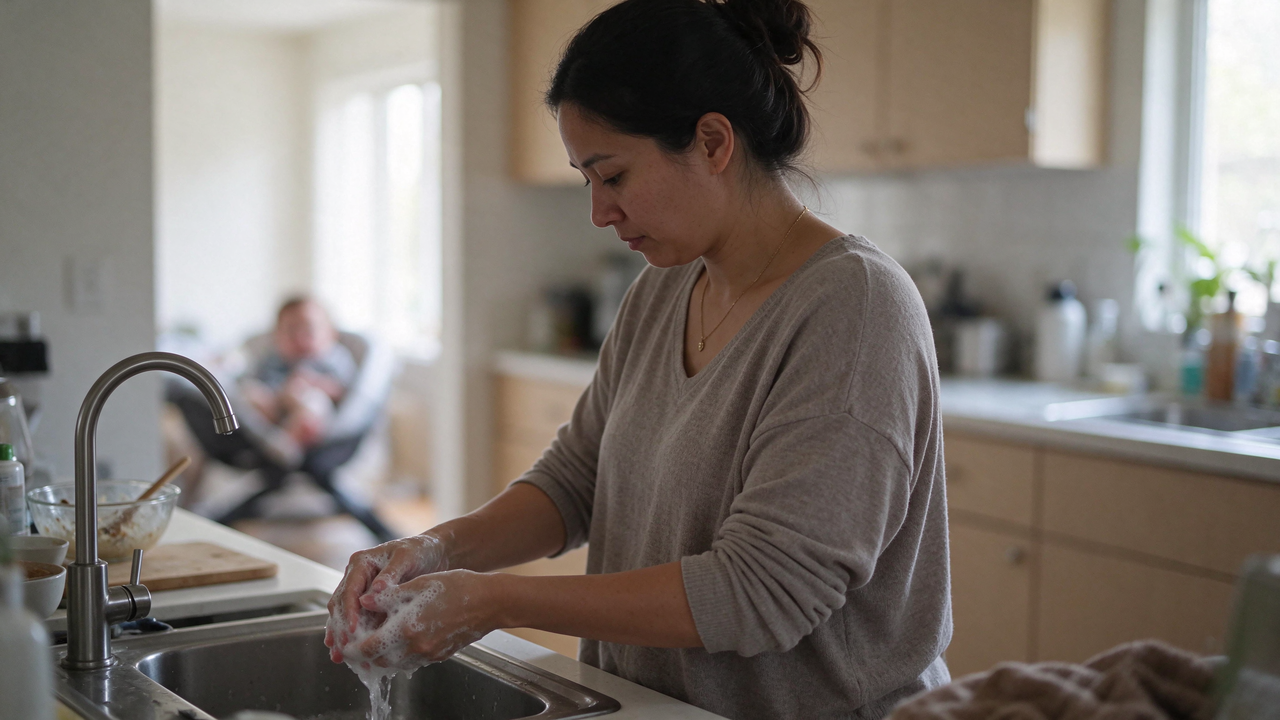
Handwashing is one of the simplest ways to reduce the spread of germs. Parents and caregivers should wash their hands with soap and water before holding, feeding, or changing the baby.
Ask visitors to follow the same practice. The CDC’s respiratory virus prevention guidance also recommends everyday hygiene measures to help reduce the spread of respiratory illnesses.
2. Keep Your Baby Away from Sick People
Avoid close contact between your baby and anyone experiencing a cough, cold, fever, or flu-like symptoms.
If a family member is unwell, encourage them to maintain distance until they recover. Avoid unnecessary visits from sick friends or relatives, even if they have only mild symptoms.
3. Continue Breastfeeding or Appropriate Formula Feeding
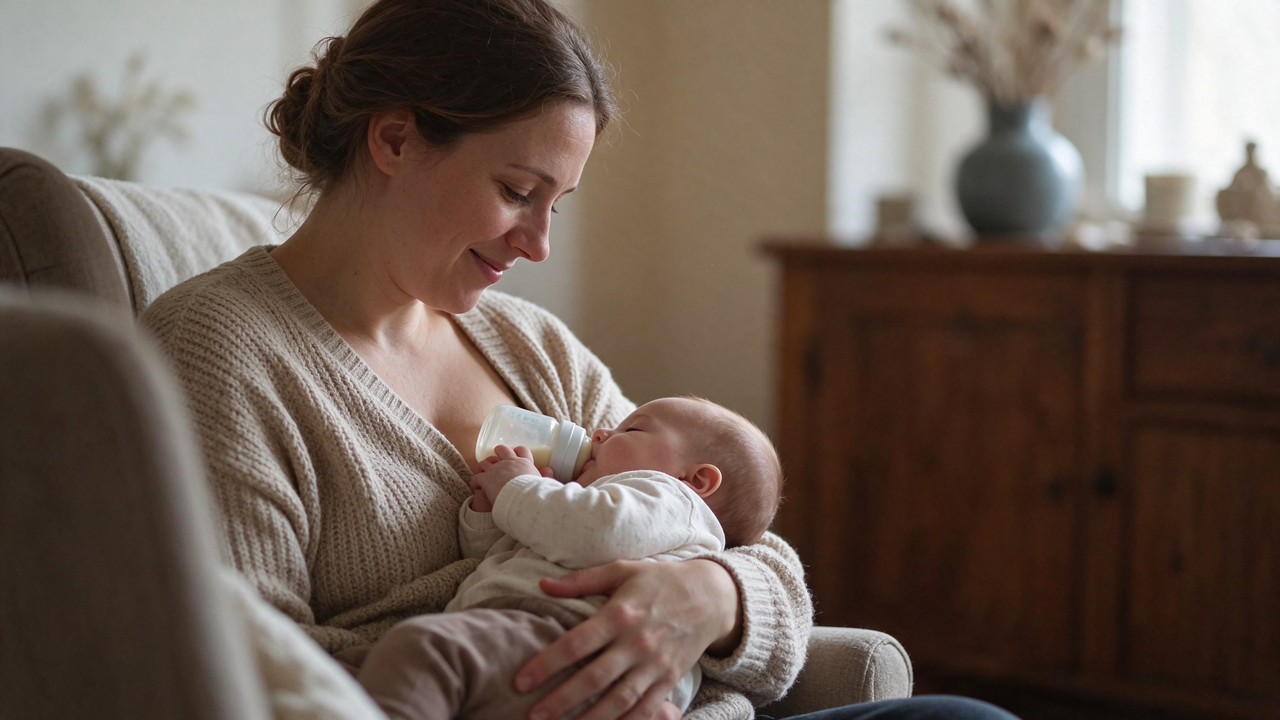
Breast milk provides essential nutrients and immune-supporting components that help support a baby’s developing immune system.
If breastfeeding is not used, correctly prepared infant formula provides appropriate nutrition. Follow your healthcare professional’s feeding advice and your baby’s individual needs.
Remember that breastfeeding does not prevent every infection, so other protective measures remain important.
4. Keep Your Baby’s Environment Clean
Regularly clean frequently touched surfaces, toys, feeding equipment, and other items used by your baby.
Wash feeding bottles and equipment properly according to recommended hygiene practices. Avoid sharing feeding items between children without cleaning and sterilising them as appropriate.
5. Follow Recommended Vaccination Schedules

Vaccinations help protect babies against several serious infectious diseases. Follow the recommended childhood immunisation schedule and attend appointments on time.
Ask your paediatrician about age-appropriate flu protection and any additional preventive options recommended for your baby. Vaccination recommendations can vary by age, health condition, and country.
6. Avoid Crowded Indoor Places
Crowded indoor spaces can increase opportunities for respiratory viruses to spread. During periods of high infection activity, avoid unnecessary visits to busy shopping centres and crowded gatherings.
If you need to take your baby outside, choose less crowded environments and keep visits practical and comfortable.
7. Maintain Proper Indoor Ventilation

Fresh air and good ventilation can help reduce the concentration of respiratory viruses indoors.
Open windows when weather and outdoor air quality allow. Avoid keeping rooms completely closed for long periods, especially when several people are sharing the same space.
8. Dress Your Baby Comfortably
Keep your baby comfortably warm with suitable clothing layers. However, avoid excessive wrapping because overheating can also be harmful.
Check your baby’s chest or back to understand whether they feel too warm or cold. Remove extra layers when entering a heated indoor space.
9. Follow Safe Sleeping Practices

Safe sleeping is essential throughout the year, including winter. Always place your baby on their back for sleep on a firm, flat surface.
Keep pillows, loose blankets, quilts, and soft toys out of the sleeping area. Use suitable sleep clothing or a properly fitted wearable blanket when extra warmth is needed.
10. Avoid Smoke and Air Pollution
Tobacco smoke can irritate a baby’s developing airways and increase the risk of respiratory problems.
Keep your home and car smoke-free. Avoid exposing your baby to indoor smoke, burning materials, and poorly ventilated heating devices.
Check outdoor air quality before taking your baby outside, particularly in areas where pollution levels are high.
11. Maintain Proper Feeding and Hygiene
Age-appropriate nutrition supports healthy growth and development. Continue breast milk or infant formula as recommended, and introduce complementary foods at the appropriate age, usually around six months.
Once your baby starts eating solid foods, offer a variety of suitable fruits, vegetables, and other nutritious foods. For age-appropriate meal ideas, explore our guide to winter nutrition for kids. This advice applies to children who have started complementary foods, not newborns.
12. Watch for Early Signs of Infection
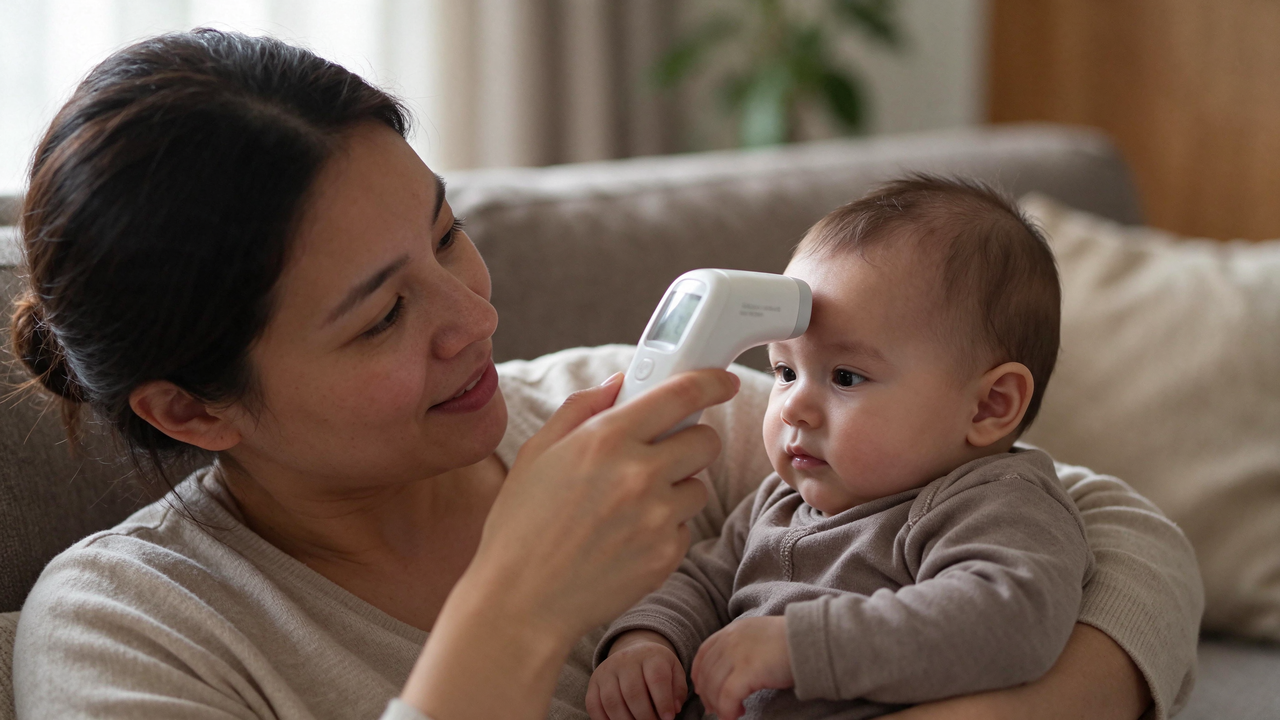
Monitor your baby’s behaviour and look for changes in normal feeding, breathing, sleeping, and activity levels.
Warning signs may include fever, persistent coughing, unusual sleepiness, reduced feeding, fewer wet nappies, or difficulty breathing. Seek medical advice if you notice concerning changes.
Warning Signs That Require Medical Attention
Some infections can become serious quickly in young babies. Parents should not ignore the following symptoms:
- A temperature of 38°C (100.4°F) or higher in a baby younger than three months.
- Difficulty breathing or unusually fast breathing.
- Blue or grey lips, tongue, or skin.
- Refusing feeds or feeding much less than usual.
- Unusual sleepiness or difficulty waking.
- Fewer wet nappies than normal.
- Signs of dehydration, such as a dry mouth.
A baby younger than three months with a temperature of 38°C or higher needs urgent medical assessment, even if they otherwise appear well.
Breathing difficulties, blue or grey lips, or an unresponsive baby require emergency medical help. Do not wait for symptoms to improve.
The NHS guide to fever in babies and children provides further information about fever and warning signs.
Can Parents Support a Baby’s Immune System Naturally?
Parents can support their baby’s normal growth and immune development through healthy, everyday baby winter care. However, no food, drink, supplement, or home remedy can guarantee protection against winter infections.
Consider these healthy habits:
- Provide appropriate nutrition: Breast milk or correctly prepared infant formula provides essential nutrition during early infancy.
- Introduce suitable solid foods: Around six months, offer a variety of age-appropriate foods as part of complementary feeding.
- Follow vaccination advice: Keep your baby’s immunisations up to date according to local medical guidance.
- Encourage healthy sleep: Follow age-appropriate sleep routines and safe sleeping practices.
- Maintain hygiene: Wash hands regularly and keep frequently touched items clean.
- Reduce exposure to infections: Avoid close contact with sick people and maintain good indoor ventilation.
Do not give honey to babies under one year of age. Avoid herbal drinks, immunity supplements, and medicines unless a qualified healthcare professional recommends them.
Protecting babies during winter requires consistent care and attention to everyday habits. Good hygiene, appropriate feeding, recommended vaccinations, safe sleeping, and avoiding contact with sick people can help reduce the risk of common infections.
Understanding baby winter care also means recognising when a baby needs medical attention. Watch for changes in breathing, feeding, temperature, and activity, and contact a healthcare professional whenever you have concerns.
With informed care and timely medical advice, parents can help their babies stay comfortable and safer throughout the winter season.
Frequently Asked Questions
1. How can I protect my baby from winter infections?
Baby winter care starts with simple habits: wash your hands before touching your baby, avoid contact with sick people, maintain clean surroundings, and follow recommended vaccinations. Continue appropriate feeding and ensure your baby gets safe, comfortable sleep. These habits can reduce exposure to common infections, although they cannot prevent every illness.
2. Why do babies get sick more often during winter?
Babies have developing immune systems and can be more vulnerable to certain infections. Respiratory viruses may spread more easily when people spend time together indoors. Close contact with infected people and poor hand hygiene can also increase the risk of illness.
3. How can I prevent colds in newborn babies?
Keep newborns away from people with cold symptoms, wash hands regularly, and maintain clean feeding equipment. Avoid crowded indoor environments when possible. Breastfeeding or appropriate formula feeding supports nutrition, but no single measure can completely prevent colds.
4. Is breastfeeding helpful in protecting babies from infections?
Breast milk contains nutrients and immune-supporting components that help support a baby’s developing immune system. It can provide protection against some infections, but breastfed babies can still become ill. Follow your healthcare professional’s feeding and vaccination advice.
5. What are the warning signs of winter infections in babies?
Warning signs include fever, poor feeding, unusual sleepiness, persistent coughing, fewer wet nappies, and changes in breathing. Breathing difficulties or blue or grey lips require emergency medical attention. Seek prompt medical advice if your baby is younger than three months and has a fever.
6. When should I take my baby to a doctor for a fever?
A baby younger than three months with a temperature of 38°C (100.4°F) or higher needs urgent medical assessment. Do not wait for additional symptoms. For older babies, contact a healthcare professional if the fever is accompanied by poor feeding, unusual sleepiness, breathing problems, or other concerning symptoms.