Medical disclaimer: This article is for general education only. It does not diagnose any condition or replace advice from a qualified doctor. If you are worried about your health, please talk to a healthcare professional. If you think you are having a medical emergency, call your local emergency number right away.
Most of us will deal with a health problem at some point. Some are short and mild, like a cold. Others last for years and need steady care. Knowing the most common health problems helps you spot early signs, ask better questions and get help at the right time.
This guide is a calm overview. It covers common health issues in the lungs, heart, digestion, skin and mind, along with prevention basics and warning signs that should never be ignored.
You do not need to memorise any of it. Think of this page as a map. Each section gives you the basics, and the linked guides go deeper when you need them.
What Are Common Health Problems?
Common health problems are conditions that affect many people at some point in life. They include everyday common illnesses such as colds and the flu, and long-term common diseases such as high blood pressure and diabetes. They can also include pain, skin conditions and mental health concerns.
Health problems and symptoms are not always the same thing. A symptom is something you notice, like a cough or tiredness. A health problem is the condition that may be behind it. The same symptom can have many causes, which is why a doctor’s check matters.
Acute vs Chronic: What Is the Difference?
Doctors often group conditions into two broad types.
Acute conditions start quickly and usually do not last long. A cold, a stomach bug or a sprained back are common examples. Many get better with rest and time, though some need medical care.
Chronic conditions last a long time, often for months or years. The US Centers for Disease Control and Prevention (CDC) describes chronic diseases as long-lasting illnesses that do not go away on their own and are rarely cured completely. Heart disease, stroke, diabetes and arthritis are examples.
The World Health Organization (WHO) notes that the main groups of long-term, noncommunicable diseases are cardiovascular disease, cancer, chronic respiratory disease and diabetes. These conditions are driven by a mix of genes, body factors, environment and behaviour. The good news is that many risk factors, such as tobacco use, unhealthy diets, low physical activity and harmful alcohol use, can be changed.
Having a chronic condition does not mean life stops. Many people live well with the right care and regular check-ins with their doctor.
Respiratory Problems
Respiratory problems affect the nose, throat, airways and lungs. The most common ones are colds, flu and asthma.
Cold and Flu

A cold and the flu are both caused by viruses, and they can feel alike. According to the CDC, the flu usually comes on suddenly, while a cold tends to build up gradually. Flu often brings fever, body aches and strong tiredness. Colds more often bring a stuffy or runny nose and sneezing.
You cannot always tell the two apart by symptoms alone, and some other infections look similar. A doctor or a test can help if you are unsure. Our guide to [LINK: cold vs flu] explains the differences in more detail.
Prevention: Wash your hands often, cover coughs and rest when you are unwell. Many health agencies recommend yearly flu vaccination for most adults, so ask your doctor what suits you.
When to see a doctor: Get medical advice if symptoms are severe, last longer than expected, or you are in a higher-risk group, such as adults aged 65 and over, pregnant women or people with long-term conditions. The CDC lists these groups as more likely to have flu complications.
Asthma
Asthma is a long-term condition in which the airways can become narrow and swollen. Common signs include wheezing, coughing, chest tightness and shortness of breath. Symptoms may be worse at night or with triggers such as dust, smoke or exercise.
Prevention and care: Doctors can help you find your triggers and make a plan. Avoiding smoke is one of the most useful steps for lung health.
When to see a doctor: See a doctor if you cough or wheeze often, or if breathing feels hard. Trouble breathing that is sudden or severe needs emergency care.
Heart and Blood Pressure Problems

Heart and blood vessel conditions are among the most common causes of serious illness worldwide. WHO reports that cardiovascular diseases account for the largest share of deaths from noncommunicable diseases.
High Blood Pressure
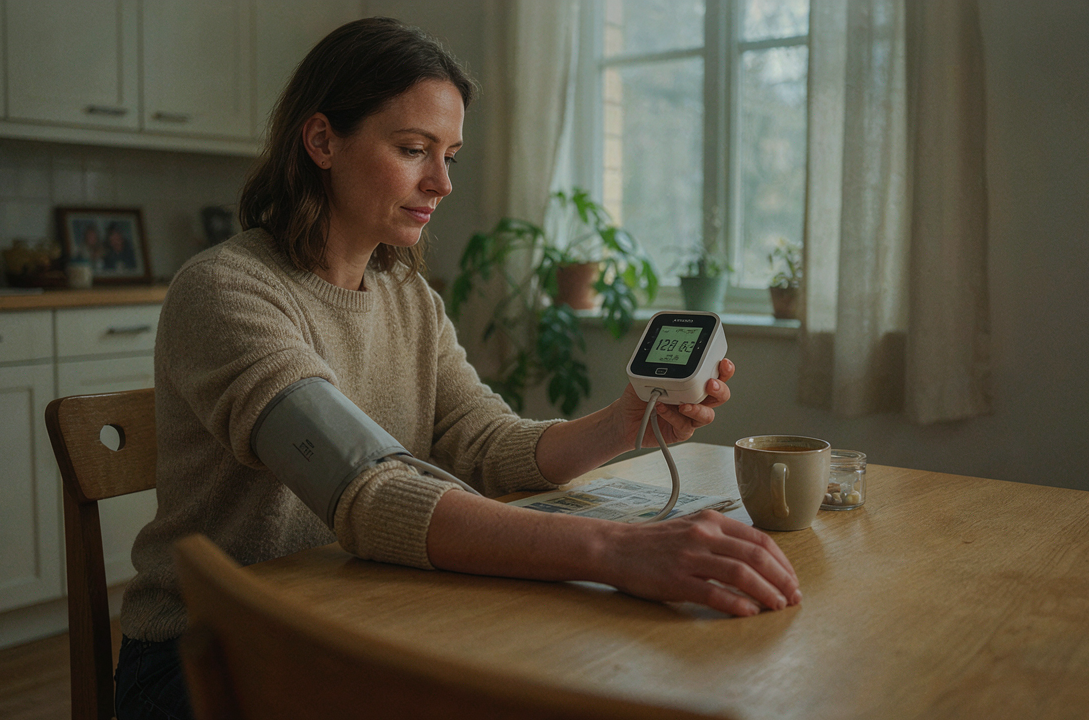
High blood pressure, also called hypertension, means the force of blood against your artery walls stays too high. Mayo Clinic notes that most people with high blood pressure have no symptoms, even when readings are high. You can have it for years without knowing.
That is why checking matters. Under American College of Cardiology and American Heart Association categories, quoted by Mayo Clinic, a reading of 130/80 mm Hg or higher is generally considered high blood pressure. Mayo Clinic suggests a check at least every two years from age 18, and more often if you are older or have risk factors.
Over time, untreated high blood pressure can raise the risk of heart attack, stroke and kidney problems. Learn more in our guide to [LINK: high blood pressure].
Heart Disease
Heart disease is a broad term for conditions that affect the heart and its blood supply. Symptoms can include chest pressure or discomfort, shortness of breath and unusual tiredness. Heart symptoms can be mild or unusual, especially in women, older adults and people with diabetes.
Prevention: Mayo Clinic lists not smoking, regular exercise, a healthy weight, and eating less salt and saturated fat as key steps. Food choices matter too. You can start with our list of heart-healthy foods.
When to see a doctor: Book a visit if you have never had your blood pressure checked, or if you notice chest discomfort with activity, swelling in the legs or unexplained breathlessness. Chest pain that is new, severe or does not settle is an emergency (see the warning signs section below).
Diabetes and Metabolic Problems
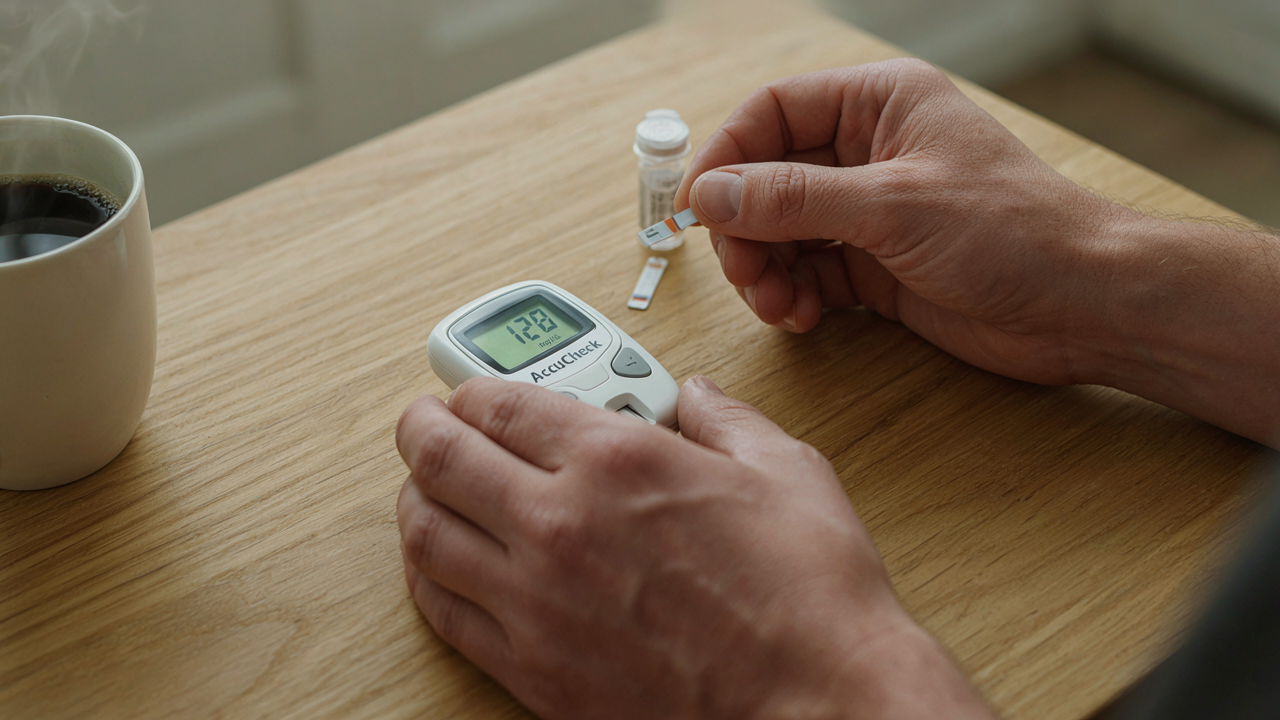
Diabetes happens when blood sugar (glucose) stays too high. The National Institute of Diabetes and Digestive and Kidney Diseases (NIDDK) says the main types are type 1, type 2 and gestational diabetes. Type 2 is the most common.
Type 2 Diabetes
NIDDK lists common symptoms as needing to urinate more often, feeling very thirsty or hungry, blurred vision and tiredness. But type 2 diabetes often develops slowly over several years, and many people have no symptoms or very mild ones.
NIDDK notes that risk is higher if you have a family history of diabetes, carry extra weight, are not physically active, or are 35 or older. Prediabetes, when blood sugar is higher than normal but not yet in the diabetes range, can also raise risk. Read our guide to [LINK: type 2 diabetes signs] for early clues.
Metabolic Syndrome
Mayo Clinic describes metabolic syndrome as a group of conditions that occur together: a larger waist size, high triglycerides, low HDL (“good”) cholesterol, high blood pressure and high blood sugar. Together they raise the chance of diabetes, heart disease and stroke.
Prevention: NIDDK says maintaining a healthy weight and being physically active may help prevent or delay type 2 diabetes. Gentle, steady changes tend to last longer than strict plans. For practical ideas, see our post on losing weight naturally.
When to see a doctor: Ask about a blood test if you have risk factors or any of the symptoms above. Diabetes is diagnosed with blood tests, not by symptoms alone.
Digestive Problems

Digestive problems affect the stomach, intestines, liver and related organs. Most people have an upset stomach, heartburn, bloating, constipation or diarrhoea at some point.
What they are: Occasional digestive symptoms are common and often linked to a recent meal, an infection or stress. Longer-lasting patterns may point to conditions such as acid reflux, irritable bowel syndrome or food intolerances. Only a doctor can tell which one is involved.
Common symptoms: Heartburn, stomach pain, bloating, gas, nausea, constipation and loose stools.
Prevention: Eating regular meals, including fibre-rich foods, drinking enough water and noticing which foods upset you can all help. Avoiding smoking and limiting alcohol also supports digestive health.
When to see a doctor: Do not wait if you have blood in your stool, black stools, trouble swallowing, ongoing vomiting, unexplained weight loss or pain that keeps getting worse. Also see a doctor if symptoms last more than a few weeks. Our guide to [LINK: digestive problems] covers common conditions and their signs.
Pain and Headache Problems

Pain is one of the most common reasons people visit a doctor. Headaches and back pain are two of the most familiar types.
Headaches and Migraines
Most headaches are not dangerous. Tension headaches often feel like a dull band of pressure around the head. Migraines are usually more intense and may bring throbbing pain, nausea or sensitivity to light and sound.
Keeping a simple diary of when headaches happen, and what came before, can help your doctor find patterns. See our comparison of [LINK: headache vs migraine].
When to see a doctor: Seek care if headaches are new after age 50, keep getting worse, or disrupt daily life. A sudden, severe headache is different and needs urgent help. Mayo Clinic lists it among stroke warning signs.
Back Pain
Back pain is very common. The US National Institutes of Health (NIH) describes acute low back pain as lasting from a few days to a few weeks, and chronic back pain as lasting longer than about three months. Most people recover, and staying gently active is often recommended over long bed rest.
Prevention: Regular movement, strengthening the muscles of the back and core, and lifting with care can reduce the chance of recurring pain. Our guide to [LINK: back pain] has more.
When to see a doctor: See a doctor if pain follows an injury, does not improve, spreads down the leg, or comes with numbness, weakness or fever. Loss of bladder or bowel control with back pain needs emergency care.
Mental Health Problems

Two friends talking over coffee in a calm cafe
Mental health is part of overall health. Anxiety, depression and stress are common, and they are real medical concerns, not a sign of weakness.
Anxiety: The National Institute of Mental Health (NIMH) explains that occasional anxiety is a normal part of life. An anxiety disorder is different: the worry does not go away and can get worse over time, and it can interfere with daily activities. Signs can include constant worry, restlessness, panic or avoiding situations.
Depression: NIMH lists common signs as ongoing sadness or hopelessness, changes in appetite or sleep, low energy and trouble concentrating. Anxiety and depression often occur together.
Stress: Short-term stress is a normal response. Long-term stress can affect sleep, mood and physical health, including blood pressure.
Prevention and support: Talking with people you trust, staying connected, and being kind to yourself all help. If you want daily-routine ideas, see our [LINK: personal wellness pillar]. Mental health also matters in special life stages, as our article on maternal mental health explains.
When to see a doctor: Reach out if low mood or worry lasts for weeks or affects work, relationships or sleep. If you ever have thoughts of harming yourself, contact emergency services or a local crisis line straight away. You are not alone, and help works. Our guide to [LINK: anxiety and depression signs] can help you recognise patterns.
Skin Problems

Skin is your body’s largest organ, and skin problems are among the most visible common health issues. They include acne, eczema, fungal infections, rashes and sun damage.
What they are: Many skin conditions are harmless but uncomfortable. Others are linked to allergies, infections or immune system conditions. A rash can have dozens of causes, so appearance alone rarely gives the answer.
Common symptoms: Itching, redness, dryness, flaking, bumps, scaling or changes in skin colour.
Prevention: Protect your skin from strong sun, keep it clean and moisturised if it is dry, and avoid known irritants or triggers. Try not to scratch, as it can worsen irritation or lead to infection.
When to see a doctor: Get a skin check if a mole changes in size, shape or colour, a sore does not heal, or a rash spreads, blisters, is painful or comes with fever. Our post on [LINK: skin problems] covers the most common types.
How to Reduce Your Risk

You cannot control everything about your health, such as age or family history. But WHO says that many noncommunicable diseases are linked to behaviours that can be changed: tobacco use, unhealthy diets, low physical activity and harmful alcohol use. Small steps in these areas can lower your risk of several conditions at once.
Regular checkups and screening. Many conditions, including high blood pressure and type 2 diabetes, can be silent at first. Routine checks can find them early. The right schedule depends on your age, sex, family history and local guidance. See our guide to [LINK: health checkups by age].
Vaccination. Vaccines help prevent several serious infections. Ask your doctor which are recommended for you in your country and at your age.
Healthy habits. Not smoking, staying active, eating a balanced diet and keeping a healthy weight help protect the heart, blood sugar and mood. We keep the deep dive in our [LINK: healthy lifestyle habits pillar], so here is the short version: choose changes small enough to keep.
Support your immune system. Good basics matter more than quick fixes. See our guide on how to [LINK: boost immune system].
Know your family history. Share it with your doctor. It helps them decide what to check and when.
Warning Signs You Should Never Ignore

Most symptoms are not emergencies. But some need urgent care. If you are unsure, it is safer to get help.
⚠️ Emergency warning signs: call your local emergency number (Examples: 911 in the US, 112 in India and the EU, 999 in the UK.)
Possible heart attack: chest pain, pressure, tightness or squeezing; pain spreading to the arm, back, neck, jaw or upper belly; shortness of breath; cold sweat, nausea or sudden dizziness. Mayo Clinic notes that symptoms can be mild or unusual, especially in women, older adults and people with diabetes.
Possible stroke: sudden trouble speaking or understanding; numbness or weakness of the face, arm or leg; sudden vision trouble; sudden severe headache; dizziness or loss of balance.
Severe flu complications in adults (CDC): difficulty breathing, pain or pressure in the chest or abdomen, sudden dizziness, confusion, severe or ongoing vomiting, or flu-like symptoms that improve and then return with fever and worse cough.
Very high blood pressure: Mayo Clinic says a reading above 180/120 mm Hg is a hypertensive crisis and needs emergency help.
Severe diabetes complication: NIDDK lists very strong tiredness, trouble breathing and fruity-smelling breath as signs of diabetic ketoacidosis.
Thoughts of self-harm or feeling unable to stay safe.
See a doctor soon (not an emergency, but do not wait) if you notice:
- Weight loss you cannot explain
- A cough or hoarse voice that lasts for weeks
- Blood in urine or stool
- A lump or swelling that does not go away
- Ongoing extreme tiredness
- Sores that do not heal, or moles that change
- New, lasting changes in mood, sleep or appetite
Trust your instincts. You know your body best.
Common Mistakes to Avoid
Even with good intentions, a few habits can make health problems harder to manage.
Self-diagnosis. Searching symptoms online can raise worry or give false comfort. Many conditions share symptoms. Use reliable sources to learn, then let a healthcare professional make the diagnosis.
Ignoring symptoms. Waiting and hoping can be tempting, especially when you are busy. But conditions like high blood pressure and type 2 diabetes can cause harm quietly. Early checks are usually simpler than late treatment.
Self-medicating. Taking leftover or borrowed medicines, or mixing products, can be unsafe. Medicines can hide symptoms, interact with each other or be unsuitable for certain people. Ask a doctor or pharmacist before using anything new, and never stop prescribed medicine without advice.
Skipping follow-ups. If you have a long-term condition, regular review visits help keep it steady.
Waiting for a “perfect” time. There is rarely a convenient moment. Book the appointment today.
FAQs
What are the most common health problems?
Common health problems include colds and flu, high blood pressure, heart disease, type 2 diabetes, digestive complaints, headaches, back pain, anxiety, depression and skin conditions. WHO identifies cardiovascular disease, cancer, chronic respiratory disease and diabetes as the main long-term disease groups worldwide.
What is the difference between acute and chronic illness?
An acute illness starts suddenly and is usually short, like a cold. A chronic illness lasts a long time, often months or years, such as diabetes or high blood pressure. Chronic conditions usually need ongoing management.
Which health problems can have no early symptoms?
High blood pressure and type 2 diabetes can both develop without clear symptoms for years, according to Mayo Clinic and NIDDK. Regular checks help find them early.
How do I know if my symptoms are serious?
Sudden or severe symptoms need urgent care. These include chest pain, trouble breathing, signs of stroke, a sudden severe headache or confusion. If symptoms are mild but last for weeks or keep returning, book a regular doctor’s visit.
Can common health problems be prevented?
Many can be prevented or delayed. Not smoking, staying active, eating a balanced diet, limiting alcohol, keeping a healthy weight, getting recommended vaccines and attending checkups all lower risk. Not every condition can be prevented, and some depend on age or family history.
How often should I get a health checkup?
It depends on your age, health and family history. Mayo Clinic suggests a blood pressure check at least every two years from age 18. Ask your doctor to set a schedule that fits you.
Is it safe to treat common illnesses at home?
Rest and fluids are often enough for mild illnesses like a cold, but the right care depends on the person. Home care is not a replacement for medical advice. Talk to a doctor or pharmacist if symptoms are strong, last long or you are in a higher-risk group.
When should I see a doctor instead of waiting?
See a doctor if symptoms are getting worse, do not improve in a reasonable time, keep coming back, or affect daily life. Also see one if you have a long-term condition or a family history of one, even if you feel well.
Conclusion
Understanding common health problems is not about being afraid of every symptom. It is about knowing what is usual, noticing what is not, and acting early. Many common diseases and illnesses are easier to manage when found early, and many can be prevented with small, steady habits.
Remember the basics: get regular checks, learn your numbers, protect your mental health and trust your instincts when something feels wrong. This guide gives general information only, so please talk to a qualified healthcare professional about your own situation.
Ready to go deeper? Pick the topic that matters most to you from the links above, and join our newsletter for calm, clear health guides in your inbox.
Disclaimer: The information on this page is for education only and is not medical advice, diagnosis or treatment. Always seek the advice of your doctor or another qualified health provider with any questions about a medical condition.