The flu season usually becomes more active in October or November. However this year health experts are seeing flu activity earlier than expected. Flu cases began increasing in some parts of the United States early as September. California and other Western states have been among the areas to see a clear rise in flu activity.
Because of this start doctors and health officials are encouraging people to think about getting their flu vaccine sooner rather than waiting until winter.
Why Is the Flu Season Starting Early
Spread of flu viruses from person to person by droplets that are created when a person coughs, sneezes or talks. Infected surfaces can also be touched by people, leading to infection if they touch their eyes, nose or mouth.
Normally flu activity increases later in the year. This season however doctors have noticed unusual signs.
- Flu test results started increasing in September.
- More people have been visiting emergency departments because of flu.
- Western states have seen activity earlier than usual.
- California has reported rising flu cases and hospitalizations.
- Some doctors are seeing flu levels that they would normally expect closer to winter.
Experts say it is still not completely clear why the flu started early. One possible reason being studied is a flu variant with a mutation that may help it avoid some existing immunity. Scientists are continuing to watch how this strain spreads.
California Is Seeing an Early Rise
California is one of the states getting attention this year. State health officials reported that flu activity began increasing in mid‑September. This is earlier than the November or December rise.
Flu hospitalizations also started increasing in September. San Francisco has already reported a death during the 2026‑2027 respiratory virus season. California has also reported flu deaths across the state.
This situation does not imply that everyone will get sick. It’s a reminder though, that respiratory viruses can be passed on before winter officially starts.
Why Is the Flu Vaccine Important
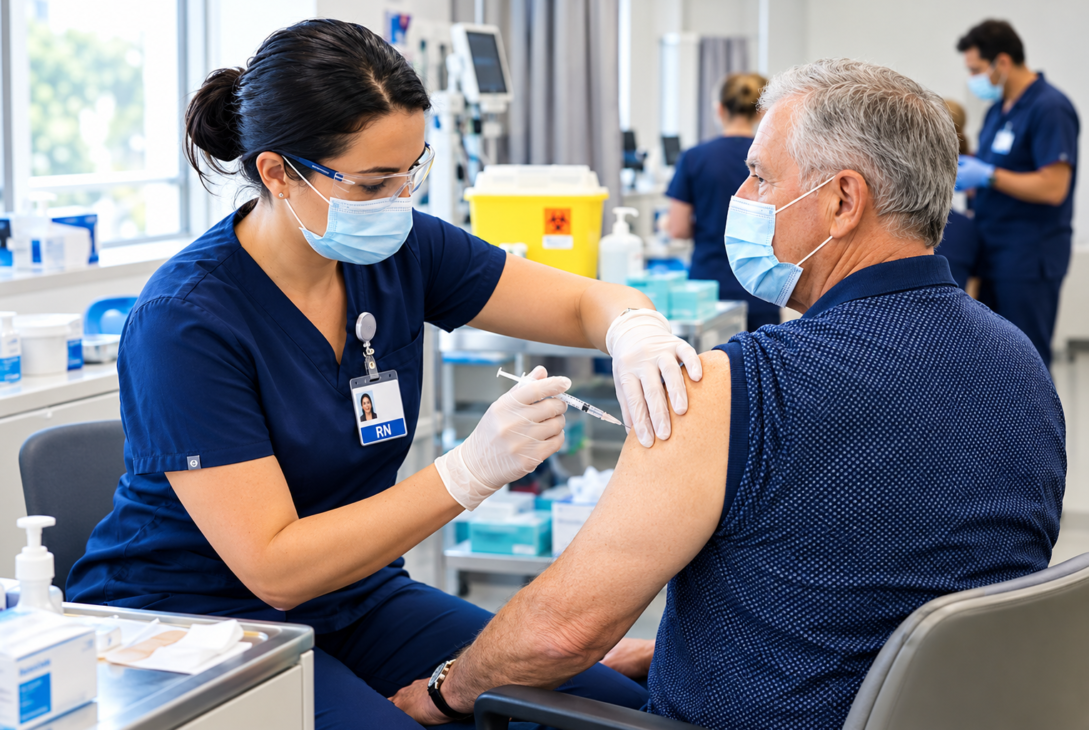
The flu vaccine is one of the ways people can reduce their risk of serious illness from influenza. Doctors explain that vaccination does not guarantee that someone will never get the flu. However it can lower the risk of disease and other serious problems.
The vaccine is recommended for individuals, beginning at 6 months of age, except for those with a contraindication. Depending on an individual’s age and medical condition, they might need only certain vaccines.
It is particularly important for those who are at risk for more serious flu problems, such as:
- Older adults
- Young children
- Pregnant people
- People with asthma or diabetes
- People with heart problems
- People with immune systems
Getting vaccinated also helps protect people around you including family members who may be more vulnerable to respiratory infections.
What About COVID‑19 and RSV
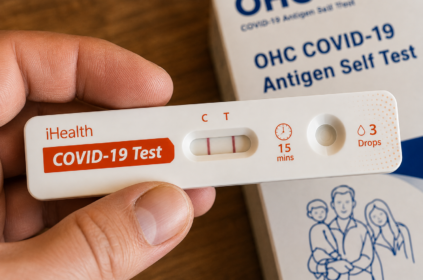
Flu is not the only respiratory illness doctors are watching this season. COVID‑19 and respiratory syncytial virus commonly called RSV are also important.
ABC News reports that doctors are recommending people consider protection against flu, COVID‑19 and RSV based on their age and health situation.
COVID‑19 activity in California increased during the summer. Reached a peak around mid‑September. Although cases have declined from that peak levels remain important to watch. RSV levels are currently lower. Are expected to increase later in the fall.
RSV can cause cold‑like symptoms in many people but it can become serious for babies and older adults. Certain adults and pregnant people may be advised to receive RSV protection.
When Should You Get a Flu Vaccine
Doctors are encouraging people not to wait long this year because flu activity has already started in some areas.
Vaccines also need some time to build protection in the body. Experts generally say it can take two weeks for protection from a flu vaccine to develop.
People should speak with their doctor, pharmacist or another qualified health professional about which vaccine’s right, for them and when they should receive it.
Simple Ways to Reduce the Spread of Flu
Vaccination is important. Everyday habits can also help reduce the spread of respiratory viruses.
- Wash your hands with soap and water.
- Avoid touching your eyes, nose and mouth with hands.
- Cover your mouth and nose when coughing or sneezing.
- Stay home when you are sick when possible.
- Improve ventilation and fresh air indoors.
- Stay away from people who’re very sick.
- Speak to a healthcare professional if you develop symptoms.
- During the virus season these simple steps can help you.
What Should Families Do Now
The early flu season gives people a reason to pay attention. Do not panic! I think we need to take the time to be sensible and listen to the medical community. There is monitoring of flu, COVID-19 and RSV activity. Research into the transmission of the viruses.
The important step is to be ready. I think families should be ready for the virus season. To discuss vaccines and vaccinations plans with families’ health care providers.
Individuals should also be alert to symptoms that include fever, cough, sore throat, tiredness, body aches or difficulty breathing. Anyone with symptoms or a high risk of complications should seek medical advice.
Final Thoughts
The 2026–2027 respiratory virus season starts differently from a year. Flu activity has appeared earlier than expected in parts of the Western United States and California. I think the early start means we need to act. Health experts are therefore encouraging people to consider flu vaccination rather than waiting for winter.
Immunisation, good hygiene, staying home when sick and taking medical advice are the ways individuals can be healthier during the respiratory virus season. I believe in getting vaccinated, as it is a step that helps everyone. But a family’s chances of protecting children, older adults and other individuals who may be at risk of becoming seriously ill can be enhanced by preparation.