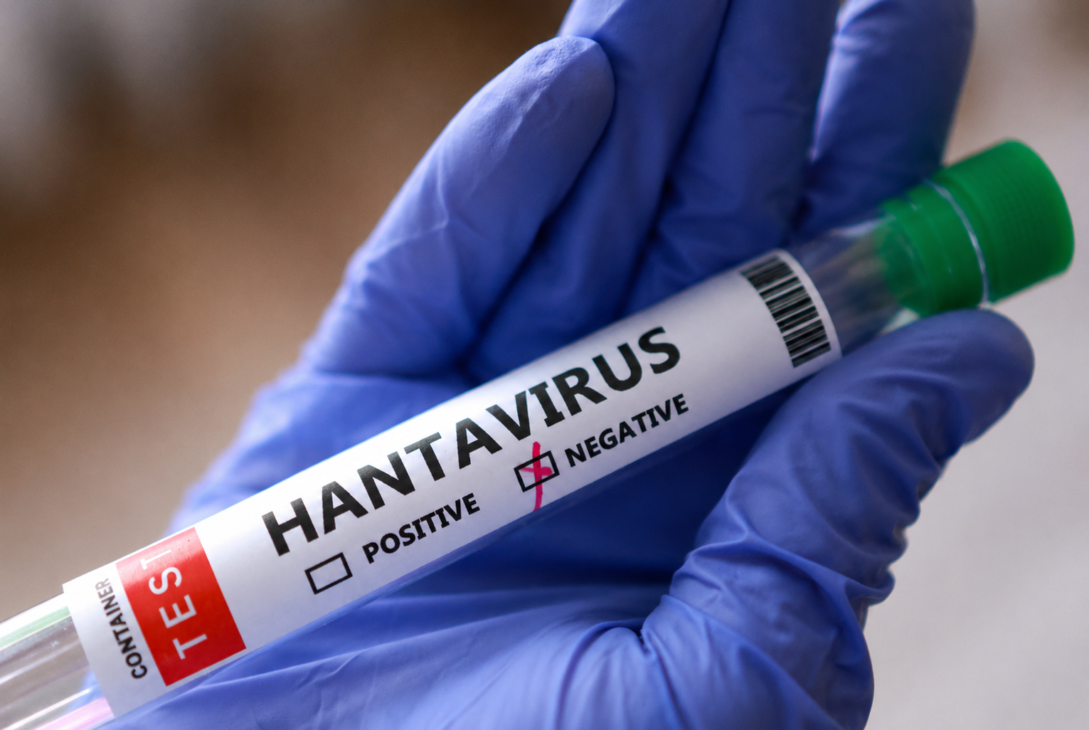
Hantavirus is back in the news, and this time it hits closer to home for Illinois residents. State health officials confirmed on Tuesday that they are investigating a possible hantavirus infection in a person living in Winnebago County. Before the rumors start flying — no, this has nothing to do with the cruise ship story you may have already heard about. This is a totally separate situation, and officials say the risk to the general public is low. Here is everything worth knowing.
People Who Got Sick Cleaning Their Own Homes
The Winnebago County resident did not travel to another country. They did not cross paths with anyone from the MV Hondius cruise ship. What they did was clean a home that had rodent droppings in it — and that appears to be where things went wrong.
Mice and rats carry hantavirus in their waste. When old, dried droppings get disturbed — swept up, vacuumed, or even just moved around — tiny particles can rise into the air. Breathe those particles in, and the virus enters your body. It happens fast and quietly, and most people do not even realize the danger until they start feeling sick.
Sandra Martell, public health administrator for the Winnebago County Health Department, said it plainly: The resident had direct contact with rodent droppings while cleaning and developed symptoms that matched hantavirus exposure.
This Is Not a Cruise Ship Outbreak
Something big happened on the MV Hondius cruise ship over the past few weeks. There was a hantavirus outbreak on the MV Hondius cruise ship. It got a lot of attention from people all around the country. The hantavirus outbreak, on the MV Hondius cruise ship was big news. Cases connected to that ship wound up at a facility in Nebraska and a hospital in Atlanta. It was serious — and alarming — because the strain involved, known as the Andes strain, can be transmitted from one person to another. That is unusual for hantavirus and part of why this situation raised so many red flags.
The Illinois case is believed to involve the North American strain. This version of the virus behaves very differently. It does not pass between people. You can be in the same room as someone who has it and not be at any risk of getting it yourself. The only way to get the North American strain is through direct contact with infected rodent waste — not through another human being.
Illinois health officials were direct about this: the Winnebago County resident had no international travel on record and no known connection to the cruise ship or anyone on it.
What Hantavirus Actually Does to the Body
Hantavirus is not something to brush off. In serious cases, it causes a condition called Hantavirus Pulmonary Syndrome, or HPS, where the lungs begin filling with fluid. Early on, it looks a lot like the flu — fever, body aches, tiredness, and sometimes dizziness. But it can turn severe quickly, and when it does, breathing becomes very difficult. Without proper medical care, HPS can be fatal.
Dr. Alfredo Mena Lora, an infectious disease specialist at Saint Anthony Hospital, explained how the exposure usually happens: when someone cleans a space where rodents have been living, the dried waste can become airborne. These particles carry the virus straight into the lungs. It is the kind of risk most people would never think twice about — cleaning out a garage, a basement, or an old shed — which is exactly why knowing about it matters.
How Uncommon Is This in Illinois?
Very uncommon. Before this current potential case, Illinois had confirmed just seven hantavirus infections going all the way back to 1993. The most recent one before this was in March 2025.
Nationally, the CDC recorded 890 total hantavirus cases across the United States between 1993 and 2023. Spread that out over 30 years and across the entire country, and the numbers are genuinely small. Illinois health officials have stated clearly: the risk of catching hantavirus of any kind remains very low for people living in the state.
The Test Results Are Still Pending
There is one important detail here — this case has not been fully confirmed yet. The initial test used was a commercial antibody test, which the CDC does not consider a definitive result on its own. The CDC runs more thorough follow-up testing, but that process takes up to 10 days.
What You Should Actually Do If You Find Rodent Droppings
If you find rodent droppings in your home, here is the right way to handle it. First, open the windows and let the air out for at least 30 minutes before you touch anything. Put on rubber gloves and wear an N95 mask if you have one. Spray the droppings with a disinfectant or a bleach and water mix, let it sit for a few minutes, and then wipe everything up with a damp cloth or paper towels. Bag it all up and throw it out. Never sweep or vacuum up dry droppings — that is exactly how the particles become airborne and dangerous.
After you are done, wash your hands thoroughly and clean anything else that may have been exposed.
If your home has signs of an ongoing rodent problem, it is worth calling a pest control professional rather than handling it alone. Mice and rats are not just a nuisance — as this case in Winnebago County shows, they can be a genuine health risk.
Where Things Stand
Illinois public health officials are taking this seriously while also being honest that there is no widespread threat to communities right now. The IDPH said it will update the public if anything changes significantly.
For most Illinois residents, life goes on as normal. But for anyone cleaning out an old space at home this spring, take an extra minute to do it safely. That small step could make a real difference.