
Winter can be a difficult season for people living with arthritis. Arthritis in winter may cause some people to notice more joint stiffness, discomfort, and difficulty moving when temperatures drop. Simple activities such as walking, climbing stairs, or getting out of bed may feel harder than usual.
Many people believe that cold weather makes arthritis worse. Some research suggests that weather changes may affect pain in certain people, but the evidence is not clear for everyone. Cold weather does not cause arthritis or automatically damage the joints.
Understanding how winter may affect your body can help you manage symptoms and stay active. With a few daily habits and the right care, you can make the colder months more comfortable.
How Does Cold Weather Affect People with Arthritis?
People with arthritis may notice changes in their symptoms during winter. The experience is different for everyone. Some people feel more stiffness and pain, while others notice little change.
Cold temperatures may make muscles feel tight and movement less comfortable. People may also spend more time indoors and become less active. This can add to stiffness, especially after sitting for a long time.
Changes in air pressure and humidity have also been studied. However, research has not found one clear weather pattern that affects everyone with arthritis. The Arthritis Foundation explains the possible connection between weather and arthritis pain.
Why Can Arthritis Symptoms Feel Worse During Winter?
Several winter habits and conditions may contribute to joint discomfort.
Cold Temperatures and Muscle Tightness
Cold weather can make your muscles feel tense and tight. When the muscles around a joint feel stiff, moving that joint may become less comfortable.
People with arthritis may notice this when they wake up in the morning or go outside in cold weather. Wearing warm clothing and keeping the affected joints covered may help improve comfort.
Reduced Physical Activity
People often walk less and spend more time sitting indoors during winter. However, regular movement is important for joint health.
When you stay inactive for long periods, your joints may feel stiffer. Gentle movement throughout the day can help maintain flexibility and support daily activities.
Changes in Air Pressure
Some people report more joint pain when the weather changes or before a storm. Researchers have studied whether changes in air pressure, humidity, and temperature are linked to arthritis symptoms.
However, findings are mixed. A 2024 systematic review found no clear association between several weather conditions and the risk of rheumatoid arthritis or knee and lower-back pain. This means weather should not be considered the only reason for increased symptoms.
Longer Periods of Sitting
Cold days may encourage people to sit for longer periods. Staying in one position for too long can make joints feel stiff, particularly in the knees, hips, hands, and back.
Try changing positions regularly and taking short movement breaks during the day.
Which Types of Arthritis May Be Affected During Winter?
Arthritis includes several conditions that affect the joints. Winter experiences can vary depending on the type of arthritis and a person’s overall health.
Osteoarthritis
Osteoarthritis develops when the tissues in a joint change over time. It commonly affects the knees, hips, hands, and spine.
People with osteoarthritis may experience pain during movement, stiffness after resting, and reduced joint flexibility. Some report greater discomfort during colder months, although this does not happen to everyone.
Learn more about osteoarthritis symptoms and causes from NIAMS.
Rheumatoid Arthritis
Rheumatoid arthritis is an autoimmune condition. It happens when the immune system mistakenly attacks the lining of the joints, causing inflammation.
Common symptoms include joint pain, swelling, warmth, and stiffness. Some people with rheumatoid arthritis notice changes in their symptoms during winter, but cold weather does not cause the condition.
Psoriatic Arthritis
Psoriatic arthritis is a type of inflammatory arthritis that can affect people with psoriasis. It may cause joint pain, swelling, stiffness, and discomfort.
Symptoms can vary from person to person. If your symptoms change during winter, speak with your healthcare professional about the best way to manage them.
Common Arthritis Symptoms During Winter

People dealing with arthritis in winter may notice one or more of the following symptoms:
- Joint stiffness: Joints may feel tight, especially after waking up or sitting for a long time.
- Knee and hip pain: Walking, standing, or climbing stairs may become uncomfortable.
- Hand discomfort: Cold conditions may make everyday tasks, such as opening jars or holding objects, harder.
- Shoulder stiffness: Moving the arms or reaching overhead may feel difficult.
- Reduced flexibility: Joints may not move as easily as usual.
- Morning discomfort: Stiffness may be more noticeable after getting out of bed.
These symptoms can have different causes. Do not assume that every increase in joint pain is due to winter weather.
How to Manage Arthritis in Winter
A few simple habits may help you stay comfortable and manage arthritis symptoms during winter.
Keep Your Body Warm

Wear warm layers when going outside. Cover your hands, knees, feet, and other areas that feel uncomfortable in cold weather.
Warm clothing can help you feel more comfortable and make outdoor activities easier.
Stay Physically Active
Regular movement can help reduce arthritis pain and improve joint function. Try walking indoors, cycling on a stationary bike, or doing gentle exercises at home.
The CDC explains how physical activity can help people with arthritis. You can begin with short sessions and slowly increase your activity as your comfort allows.
Try Gentle Stretching
Gentle stretching may help improve flexibility and reduce stiffness. Move slowly and avoid forcing a joint into an uncomfortable position.
If a movement causes sharp or increasing pain, stop and seek advice from a healthcare professional.
Use Warm Compresses Carefully
A warm compress or heating pad may provide temporary comfort for stiff joints. Use a comfortable temperature and protect your skin with a towel or cloth.
Avoid placing very hot items directly on your skin. Be extra careful if you have reduced skin sensation or circulation problems.
Take Regular Movement Breaks
Avoid sitting in the same position for too long. Stand up, walk around, or gently move your hands and legs at regular intervals.
Small movement breaks can help you remain active throughout the day.
Follow Your Treatment Plan
Continue following the treatment plan recommended by your doctor. Do not stop or change prescribed medicines because the weather has become colder.
If your pain is increasing or your current treatment is not helping, discuss your symptoms with your healthcare professional.
Best Exercises for Arthritis in Winter
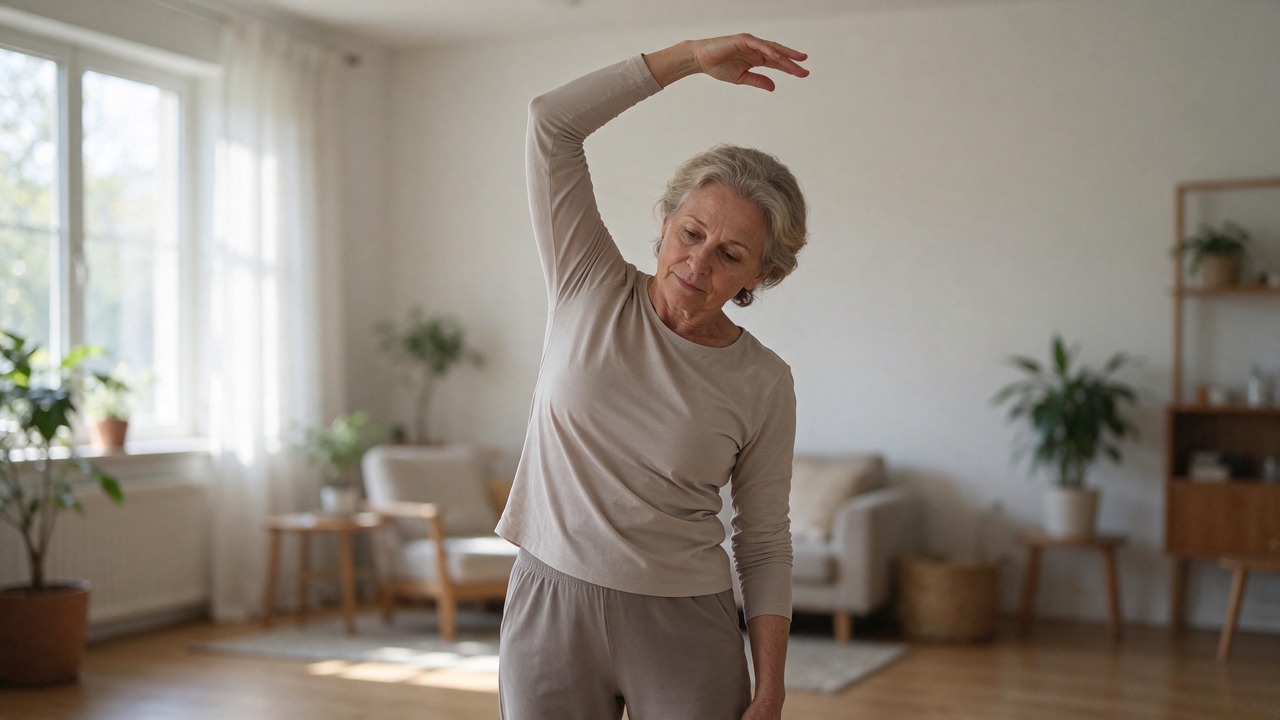
Exercise can help maintain strength, flexibility, and joint movement. The best activity depends on your arthritis type, fitness level, and symptoms.
Some options include:
- Indoor walking: Walk around your home or in a safe indoor space.
- Stationary cycling: This provides movement without the impact of outdoor walking.
- Gentle yoga: Simple movements may help improve flexibility and balance.
- Swimming: Warm-water exercise can allow movement with less pressure on the joints.
- Light strength exercises: Gentle resistance exercises can help support the muscles around your joints.
- Stretching: Slow and comfortable stretches may help reduce stiffness.
Start slowly and choose activities that do not cause significant pain. A physiotherapist can help you select exercises that suit your needs.
When Should People with Arthritis See a Doctor?
Some joint discomfort may improve with simple care, but ongoing or unusual symptoms should not be ignored.
Speak with a healthcare professional if:
- Joint pain or swelling is getting worse.
- Pain affects your sleep or daily activities.
- Joint stiffness lasts more than 30 minutes after waking.
- Symptoms keep returning or do not improve.
- You notice new joint pain or difficulty moving.
Seek urgent medical care if a joint suddenly becomes very painful, hot, red, or swollen, especially if you also have a fever or feel unwell. These symptoms may indicate an infection or another condition that needs prompt attention.
The NHS guide to joint pain explains when to seek medical advice.
Frequently Asked Questions
Does cold weather make arthritis worse?
Some people report more pain and stiffness during cold weather. However, research findings are mixed, and not everyone with arthritis experiences a change in symptoms during winter.
Why do my joints feel stiff in winter?
Cold conditions, reduced activity, and spending more time sitting may contribute to stiffness. Moving gently throughout the day may help you feel more comfortable.
Is walking good for people with arthritis during winter?
Walking can be helpful because it supports movement and joint function. If outdoor conditions are too cold or slippery, consider walking indoors or choosing another joint-friendly activity.
Can warm compresses help with winter arthritis pain?
Warm compresses may provide temporary relief from stiffness and discomfort. Use gentle heat and avoid temperatures that could burn your skin.
How can I protect my joints during winter?
Wear warm clothing, stay active, take movement breaks, use safe warming methods, and follow your doctor’s treatment plan. Choose activities that match your comfort and ability.
Conclusion
Living with arthritis in winter can be challenging, especially when joint stiffness and discomfort affect everyday activities. Cold weather may influence how some people feel, but its effects are not the same for everyone.
Keeping warm, staying physically active, stretching gently, and following your treatment plan can help you manage winter joint discomfort. Pay attention to changes in your symptoms and seek medical advice when pain or swelling becomes unusual or severe.
What changed: only the SEO title, meta description, H1, two H2 headings, and one sentence in the symptoms section. Everything else, including length, links, lists, and the FAQ, is unchanged.