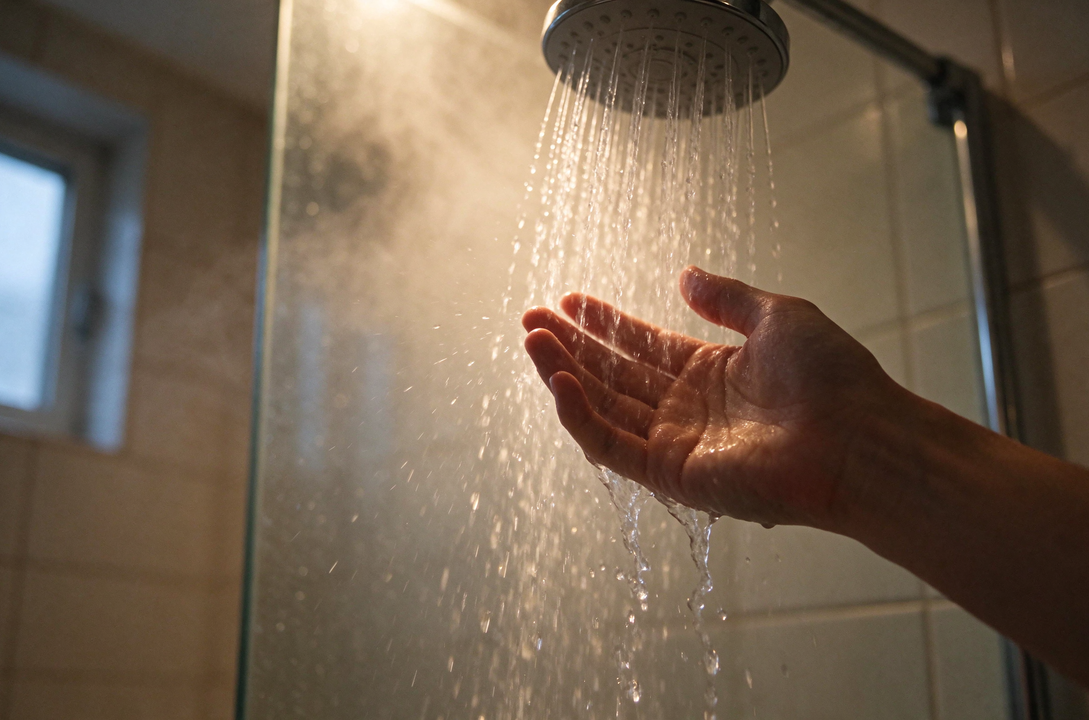
A hot shower feels wonderful on a cold morning. But hot water bathing in winter can leave your skin dry, tight, and itchy. Very hot water can wash away the natural oils that keep your skin soft.
In this article, you will learn how hot water affects your skin, which water temperature works best, and how to protect your skin this season. For more on this topic, see our guide on how to prevent dry skin during winter.
Can Hot Water Bathing in Winter Damage Your Skin?
Not for everyone, and not permanently. But very hot water can weaken your skin’s protective barrier. This barrier is made of natural oils that hold in moisture and keep out irritants.
When hot water strips these oils away, your skin loses water more easily. Winter makes this worse because cold air and indoor heating already dry out your skin. The American Academy of Dermatology advises limiting baths and showers and using warm water to help dry skin.
What Happens to Your Skin When You Bathe in Hot Water?
The effects of hot water on skin vary from person to person. Some possible effects include:
- Dry, tight skin. Your skin may feel stretched after you towel off.
- Itching and irritation. Dry skin often itches. Learn more in why your skin becomes itchy during winter.
- Redness and sensitivity. Skin may look red or sting when you apply products.
- Flaking and rough patches. Dry skin can peel or feel rough.
- Eczema flare-ups. People with eczema or other dry-skin conditions may notice their skin getting worse. Mayo Clinic recommends lukewarm water for people with eczema.
Why Does Hot Water Make Skin Drier in Winter?
Does hot water cause dry skin on its own? It plays a big part, but other winter factors add to it:
- Cold outdoor air holds little moisture.
- Low humidity pulls water out of your skin.
- Indoor heating dries the air in your home.
- Hot showers remove natural skin oils.
- Long, frequent bathing gives water more time to dry your skin.
- Harsh soaps and body washes can strip oils even more.
What Is the Best Water Temperature for Bathing in Winter?
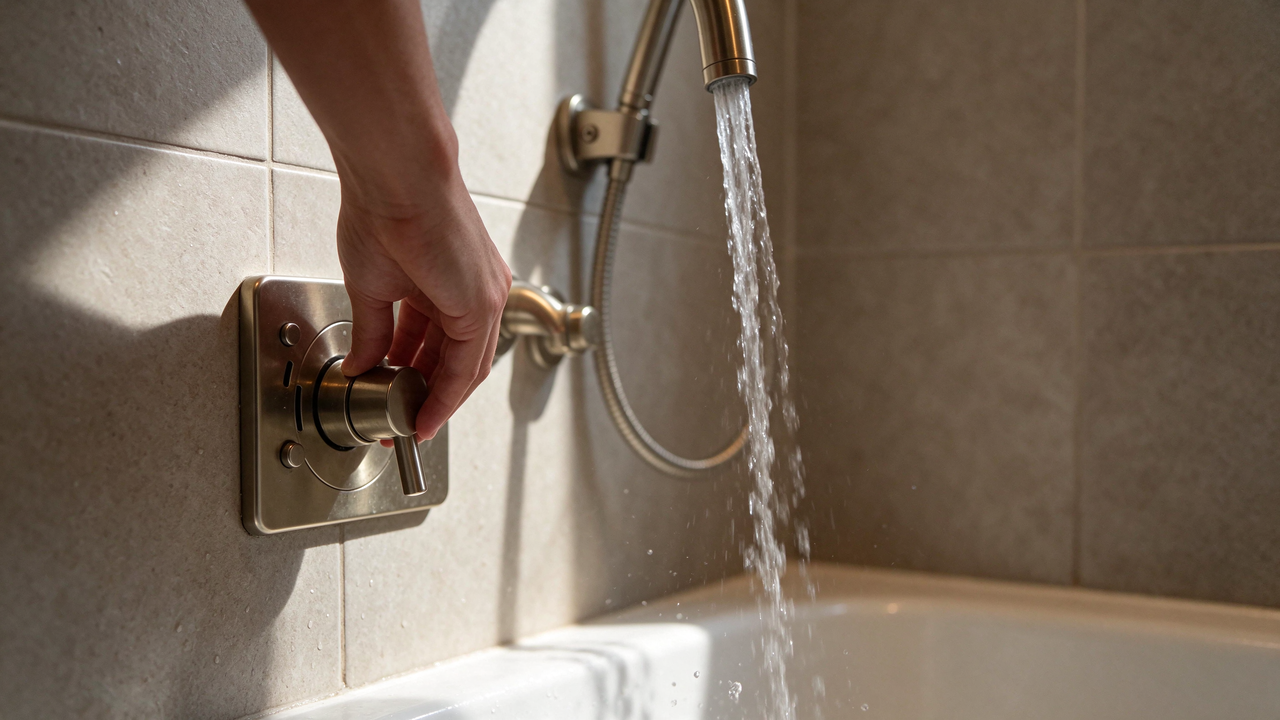
There is no exact temperature that doctors require. A good rule is to use lukewarm water that feels comfortably warm, not hot. Harvard Health also suggests bathing in comfortably warm water instead of hot.
Time matters too. The American Academy of Dermatology suggests keeping showers and baths to about 5–10 minutes. Long showers give your skin more time to lose its natural oils.
Winter Bathing Tips to Protect Your Skin
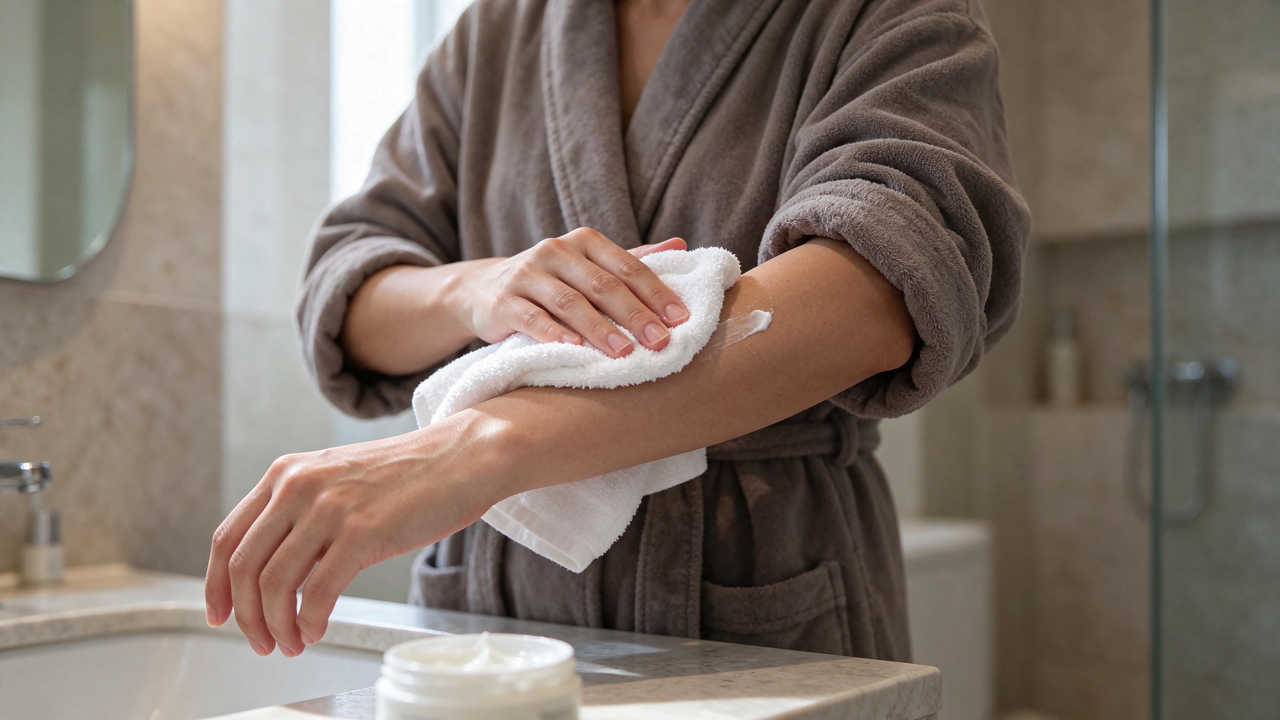
These winter bathing tips can help you protect your skin during winter bathing:
- Choose lukewarm water. Skip very hot water, even on the coldest days.
- Keep showers short. Aim for about 5–10 minutes.
- Use a gentle, fragrance-free cleanser. Strong scents and harsh ingredients can irritate dry skin.
- Do not scrub hard. Rough scrubbing can damage dry skin.
- Pat your skin dry. Use a soft towel and blot instead of rubbing.
- Moisturize soon after bathing. Apply it while your skin is still slightly damp.
- Pick a moisturizer for dry or sensitive skin. Fragrance-free products are often a safe choice.
- Avoid several long, hot showers a day. One short shower is easier on your skin.
- Use a humidifier. It can help if the air in your home is very dry.
- Wear soft, comfortable clothes. Rough fabrics can irritate dry skin.
Which Moisturizers Help After Winter Bathing?
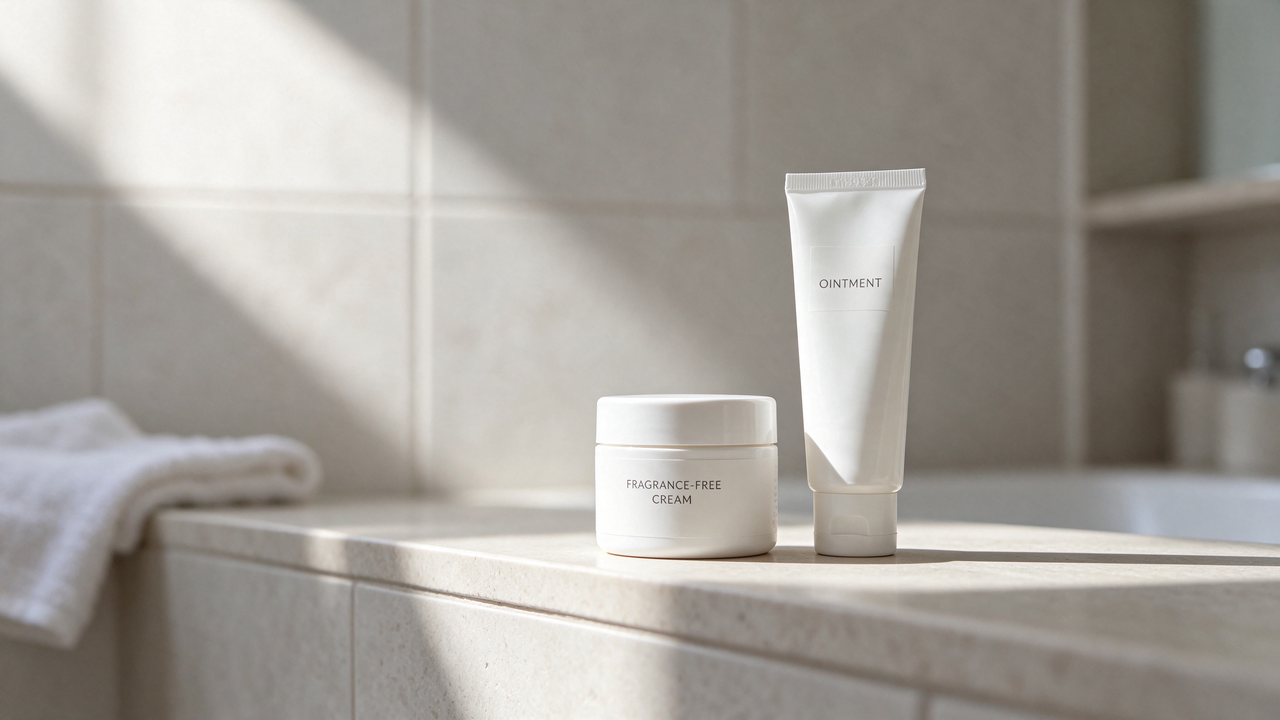
Moisturizers, also called emollients, help soothe dry, itchy skin, according to the NHS. Common ingredients include:
- Petrolatum forms a protective layer that helps seal in moisture.
- Ceramides are fats that support the skin barrier.
- Glycerin helps skin hold water.
- Hyaluronic acid also attracts and holds moisture.
- Shea butter softens and smooths dry skin.
No single ingredient works best for everyone. Try a product and see how your skin feels.
Creams and Ointments vs. Lotions
Lotions are light and easy to spread. For very dry skin, thicker creams and ointments are often more helpful. If you are unsure which one to choose, ask a pharmacist or doctor.
Common Winter Bathing Mistakes to Avoid
- Taking very hot showers for too long.
- Using harsh or strongly scented soaps.
- Rubbing your skin roughly with a towel.
- Skipping moisturizer after bathing.
- Scrubbing or exfoliating skin that is already dry and irritated.
When Should You See a Doctor?
Most winter dryness improves with simple care. See a doctor if you notice:
- Severe or lasting itching.
- Cracked or bleeding skin.
- Painful redness or swelling.
- Signs of infection, such as pus, warmth, or increasing pain.
- Dryness that does not improve with regular care.
- Eczema or another skin condition that gets worse.
This article is for general information. It does not replace advice from a qualified healthcare professional.
Frequently Asked Questions
Is hot water bathing in winter good for your skin?
It feels good, but very hot water can dry your skin. Lukewarm water is usually a gentler choice.
Can hot showers cause dry skin?
Yes, they can. Hot water may remove natural oils, especially when showers are long or frequent.
What is the best water temperature for bathing in winter?
Choose water that feels comfortably warm, not hot. There is no single exact temperature that suits everyone.
How long should I shower during winter?
About 5–10 minutes is a practical goal, especially if your skin is dry or sensitive.
Should I apply moisturizer immediately after bathing?
Yes. Apply it soon after bathing, while your skin is still slightly damp, to help hold in moisture.
Is lukewarm water better than hot water for dry skin?
In general, yes. Lukewarm water is less likely to strip natural oils from your skin.
Conclusion
Very hot and long showers can increase dryness in winter. Cold air, dry indoor heat, and harsh soaps add to the problem. The good news is that hot water bathing in winter does not have to harm your skin.
Choose lukewarm water, keep showers short, use a gentle cleanser, and moisturize right after you bathe. Small changes in your daily bathing habits can help keep your skin comfortable all winter. For more everyday ideas, explore our Healthy Habits page.