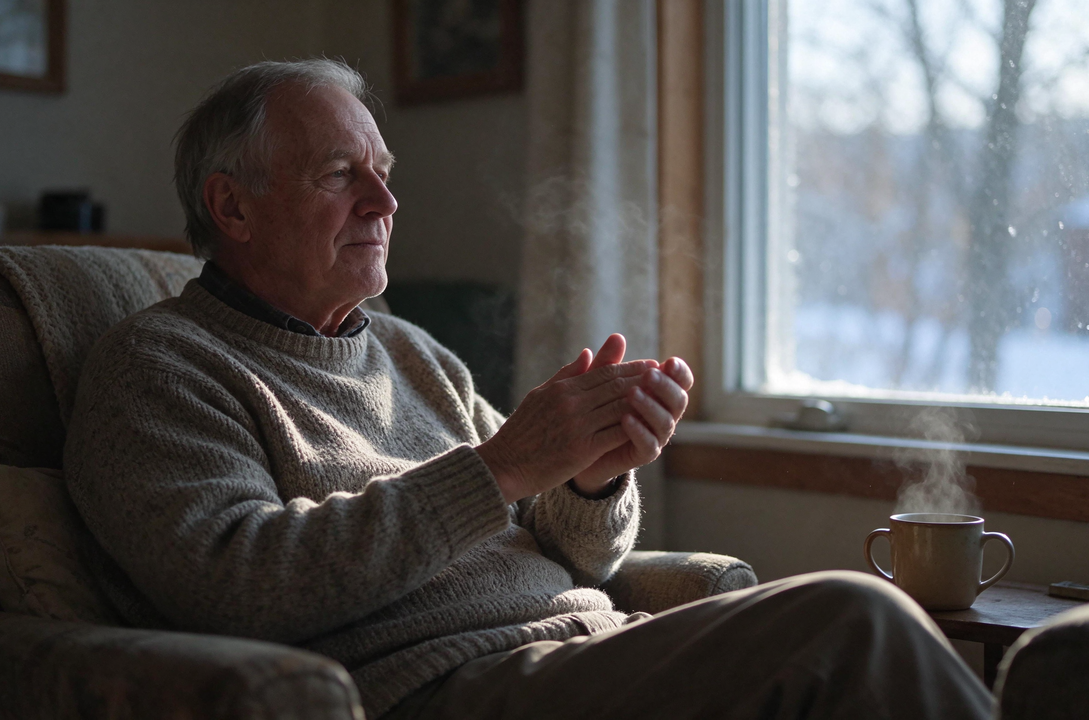
Many people notice that their joints feel stiffer or more painful during winter. Cold mornings, less physical activity, and spending more time indoors may make everyday movements feel uncomfortable. This can be especially noticeable in older adults and people living with arthritis.
Joint pain in winter is a common concern, but cold weather does not directly cause arthritis or joint damage. Some people report more discomfort when temperatures change, although research has not found one clear reason for this. Understanding possible triggers and following healthy daily habits can help support joint comfort during colder months.
Why Does Joint Pain Get Worse During Winter?
There are several possible reasons why some people experience more joint discomfort during winter. The effects can vary depending on a person’s health, activity level, and existing joint conditions.
- Cold temperatures: Cold weather may make muscles and surrounding tissues feel tighter, which can make movement less comfortable for some people.
- Joint stiffness: Sitting or resting for long periods can make joints feel stiff, especially when getting up in the morning.
- Reduced physical activity: People often spend more time indoors during winter. Less movement can affect muscle strength and flexibility.
- Changes in air pressure: Some people report increased joint discomfort when the weather changes. However, research has not confirmed a clear link for everyone.
- Existing joint conditions: People with osteoarthritis or rheumatoid arthritis may notice changes in their symptoms during colder months.
These factors do not affect everyone in the same way. Joint pain can also have causes unrelated to weather, so ongoing discomfort should not be ignored.
For additional information, read the Arthritis Foundation’s explanation of weather changes and arthritis symptoms.
Common Symptoms of Winter Joint Pain

People experiencing joint pain in winter may notice different symptoms depending on the cause.
Common symptoms include:
- Stiffness in the knees, hips, hands, or shoulders.
- Pain when walking, bending, or climbing stairs.
- Difficulty moving joints after sitting for a long time.
- Reduced flexibility in the morning.
- Discomfort during everyday activities.
- Muscle tightness around affected joints.
Some people may notice that their symptoms feel worse after waking up or sitting in one position for a long time. If joint pain is new, severe, or getting worse, a healthcare professional can help identify the cause.
Which Joint Conditions May Feel Worse During Winter?
Certain joint conditions can cause pain and stiffness throughout the year. Some people living with these conditions report changes in their symptoms during winter.
Osteoarthritis
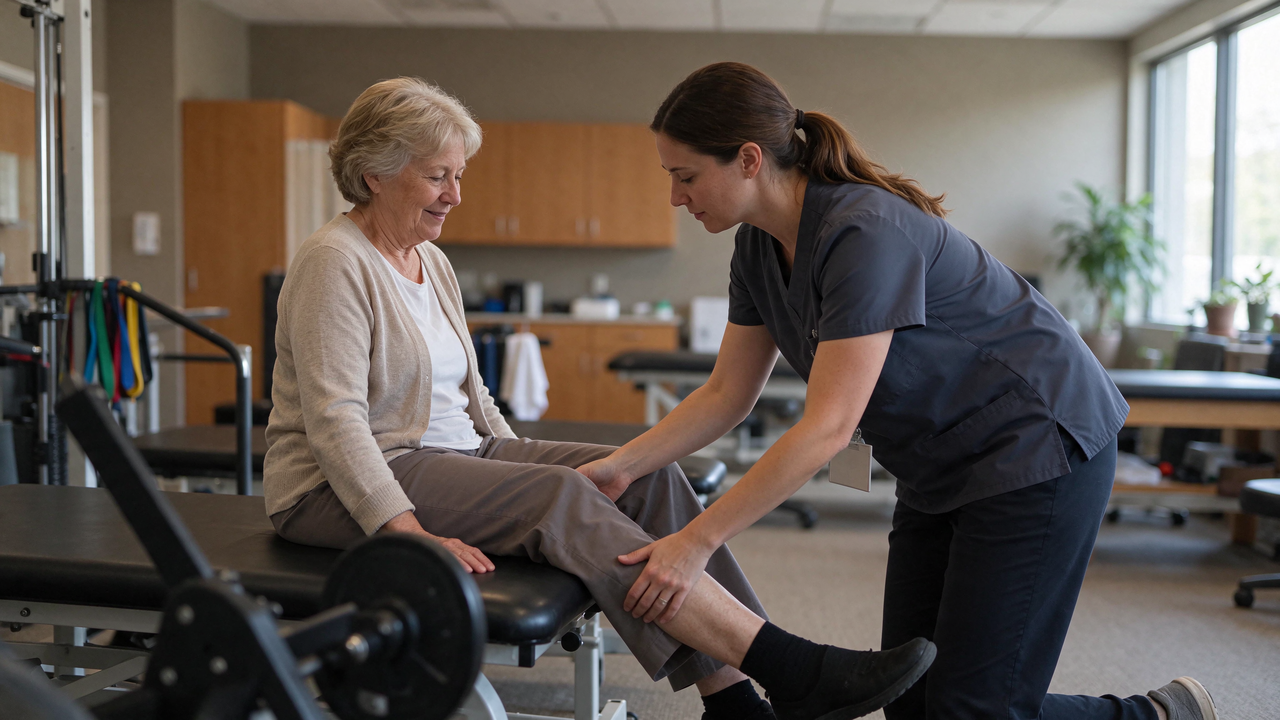
Osteoarthritis is a joint condition that affects the protective tissues inside joints. It commonly affects the knees, hips, hands, and spine. People may experience pain, stiffness, and difficulty moving the affected joints.
Some people with osteoarthritis report increased discomfort during colder weather. However, winter temperatures do not directly cause osteoarthritis.
You can learn more from the National Institute of Arthritis and Musculoskeletal and Skin Diseases (NIAMS) guide to osteoarthritis.
Rheumatoid Arthritis
Rheumatoid arthritis is a condition in which the immune system mistakenly attacks the joints. It can cause pain, swelling, warmth, and stiffness.
People with rheumatoid arthritis may notice changes in their symptoms during winter. However, cold weather does not cause this condition, and symptoms can vary from person to person.
General Muscle and Joint Stiffness
Spending long hours sitting or moving less during winter can contribute to muscle tightness and joint stiffness. This may make simple activities, such as getting out of bed or climbing stairs, feel more difficult.
How to Reduce Joint Pain During Winter
Simple changes to your daily routine may help you manage joint pain in winter and maintain better joint movement during colder months.
Keep Your Body Warm
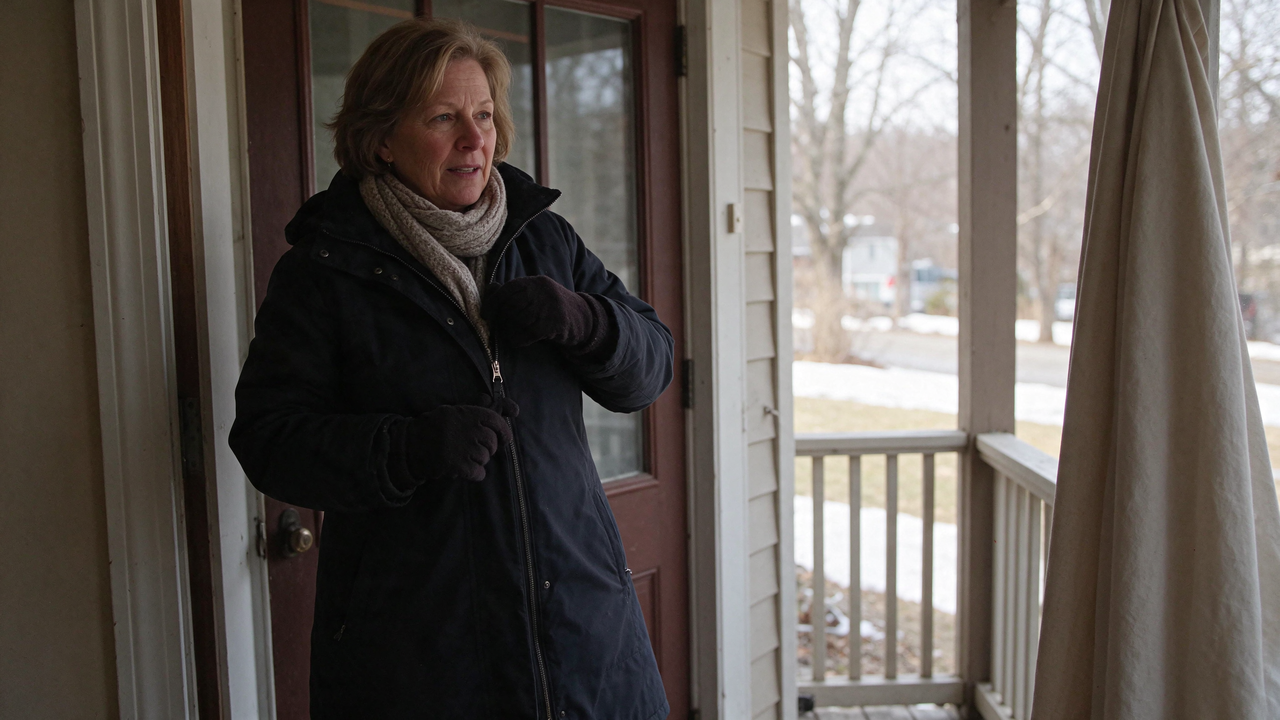
Wear comfortable winter clothing to help keep your body warm. Use suitable layers and protect areas such as your knees, hands, and shoulders when going outside.
Stay Physically Active
Regular movement can help maintain muscle strength and joint flexibility. Walking indoors, gentle cycling, and other low-impact activities are useful options when outdoor weather is uncomfortable.
Try Gentle Stretching Exercises
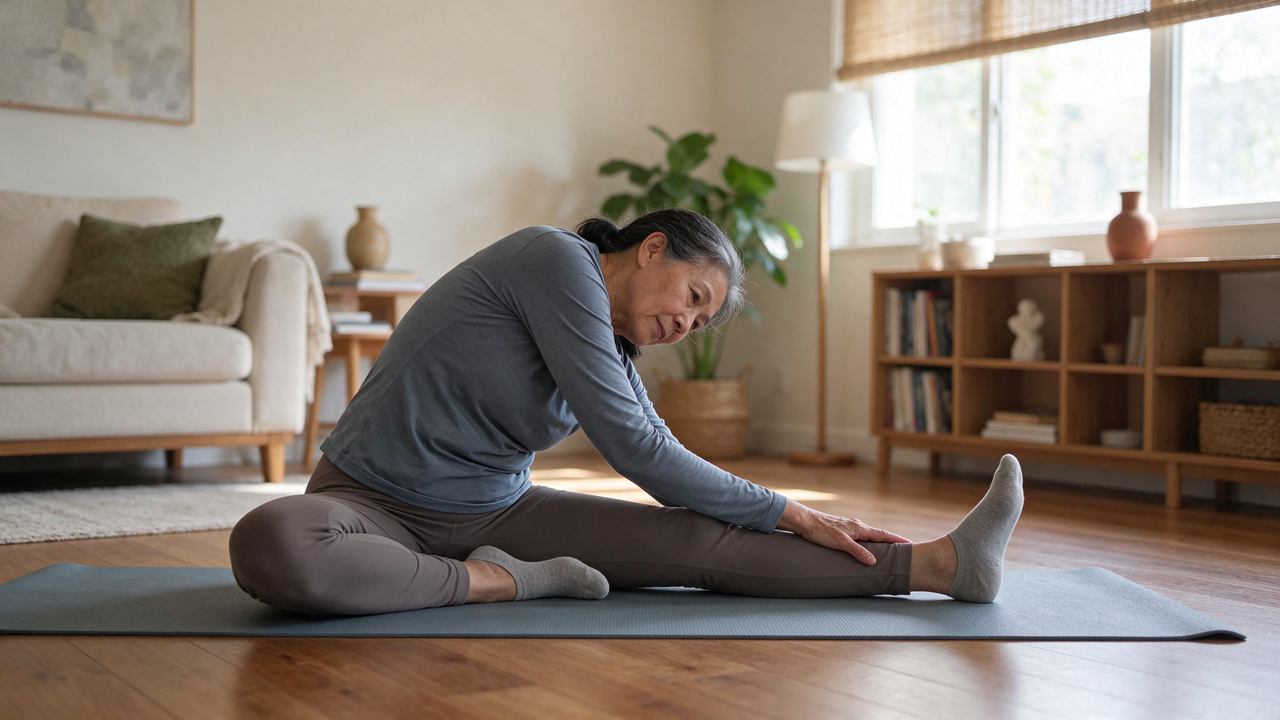
Gentle stretching can help maintain flexibility and reduce stiffness after long periods of sitting. Start slowly and avoid movements that increase your pain.
Use Warm Compresses

A warm towel or heating pad may provide temporary comfort when your joints feel stiff. Use gentle heat, place a cloth between the heating pad and your skin, and avoid using heat on areas with reduced skin sensation.
Maintain a Healthy Body Weight
Extra body weight can place more pressure on weight-bearing joints, especially the knees and hips. Maintaining a healthy weight may help reduce this pressure and support overall joint health.
Eat a Balanced and Healthy Diet
Include fruits, vegetables, whole grains, healthy fats, and protein in your daily meals. A balanced diet supports general health, although no particular food can cure arthritis or guarantee relief from joint pain.
Take Breaks From Prolonged Sitting
Avoid sitting in the same position for long periods. Stand up, walk around, and gently move your joints at regular intervals to help prevent stiffness.
Best Exercises to Support Joint Health During Winter

Gentle physical activity can help maintain joint movement and strengthen the muscles that support your body. Choose activities that feel comfortable and match your fitness level.
Some useful options include:
- Walking: A simple activity that helps keep your legs moving and supports general fitness.
- Gentle yoga: Basic yoga movements can support flexibility and balance.
- Swimming in a heated pool: Water supports body weight and can make movement easier for some people.
- Stationary cycling: Low-impact cycling can help keep the knees moving without the impact of running.
- Simple stretching: Gentle stretches can help maintain flexibility.
- Light strength exercises: Suitable exercises can strengthen the muscles that support your joints.
Start with short sessions and increase your activity gradually. If you have arthritis, severe joint pain, or another health condition, ask a healthcare professional or physiotherapist which exercises are suitable for you.
The CDC’s guidance on physical activity for people with arthritis explains how regular movement can support joint health and overall well-being.
When Should You See a Doctor for Joint Pain?
Not all joint pain is caused by cold weather. Sometimes, discomfort may be related to an injury, inflammation, arthritis, or another health condition.
Speak with a healthcare professional if:
- Joint pain continues or becomes worse.
- You notice swelling around a joint.
- You have difficulty moving or using a joint.
- Pain affects your sleep or daily activities.
- Joint stiffness happens frequently.
- Pain starts after an injury.
Seek urgent medical attention if a joint becomes suddenly very painful, hot, red, or swollen, especially if you also have a fever or feel unwell. These symptoms may indicate an infection or another serious problem.
For more information, read the NHS guidance on joint pain and when to seek medical advice.
Frequently Asked Questions About Joint Pain in Winter
Why Does Cold Weather Make My Joints Hurt?
Some people report more joint discomfort during colder weather. Changes in activity, muscle tightness, and weather-related changes may play a role, but researchers have not established one clear explanation.
Does Winter Make Arthritis Pain Worse?
Some people with arthritis notice increased stiffness or discomfort during winter. However, the effect varies between individuals, and cold weather does not cause arthritis.
What Is the Best Way to Reduce Joint Pain During Winter?
Keeping your body warm, staying physically active, and taking breaks from prolonged sitting may help. If pain continues or becomes worse, seek advice from a healthcare professional.
Is Walking Good for Joint Pain in Winter?
Walking is a low-impact activity that can help maintain movement and muscle strength. Start slowly, wear comfortable shoes, and choose a safe indoor or outdoor walking area.
Can Warm Compresses Help With Winter Joint Stiffness?
Yes, gentle warmth may provide temporary comfort and help stiff joints feel more relaxed. Avoid excessive heat and protect your skin when using a heating pad.
Joint pain in winter can make everyday activities more difficult, especially for people who already have joint conditions. Changes in physical activity, muscle tightness, and weather conditions may contribute to discomfort, although the reasons are not fully understood.
Keeping your body warm, staying active, eating balanced meals, and avoiding long periods of sitting can support joint health during colder months. Choose gentle exercises that suit your fitness level and seek medical advice if pain continues or becomes severe.