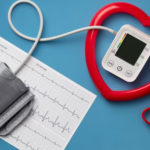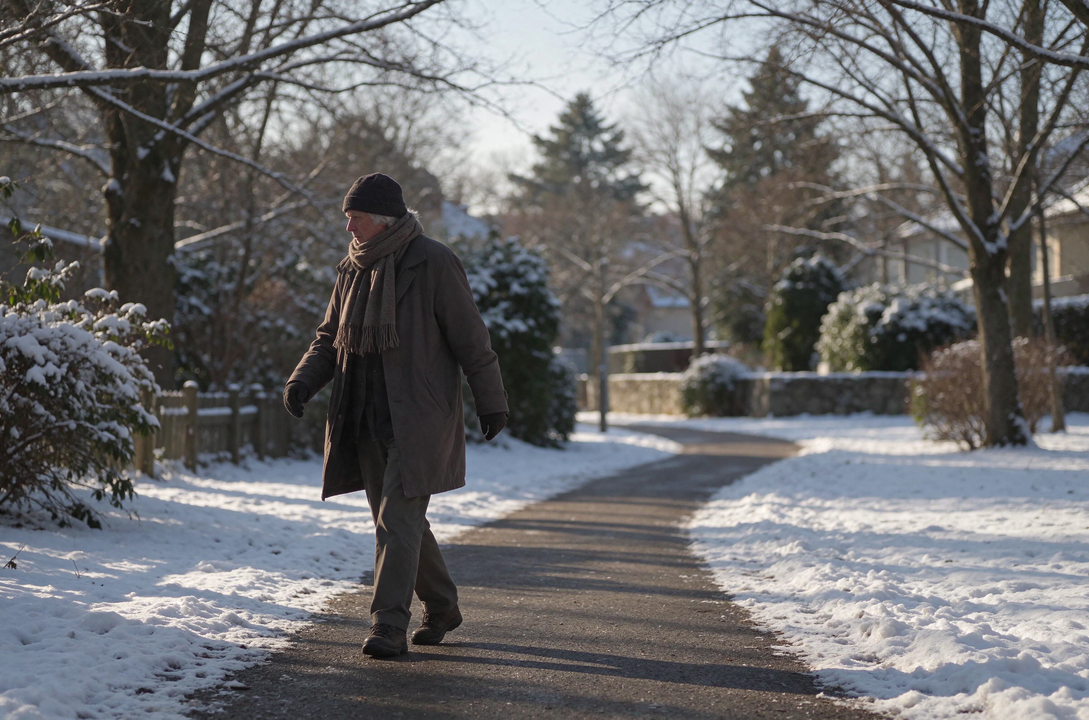
Winter safety for chronic illness starts with knowing that blood vessels near the skin tighten to hold heat in when it is cold. This can raise blood pressure and make the heart work harder, according to the American Heart Association (AHA). The AHA also says extreme cold, and even long time in normal winter temperatures, can affect the heart, brain and other organs.
Winter is virus season too. The CDC says people with conditions such as asthma, heart disease and diabetes have a higher risk of serious flu complications.
Older adults and people with weaker immune systems may need extra care. The National Institutes of Health warns that older adults are especially vulnerable to hypothermia, a dangerous drop in body temperature. Medical conditions and some medicines can make it harder for the body to handle the cold.
How cold weather affects different chronic diseases
Heart disease
Cold air can narrow blood vessels, so the heart has to push harder. People with coronary heart disease may feel chest pain, called angina, more easily in the cold, the AHA says. Heavy tasks such as shoveling snow add more strain. Healthy Genre has more on cold weather and heart disease.
Asthma and lung diseases
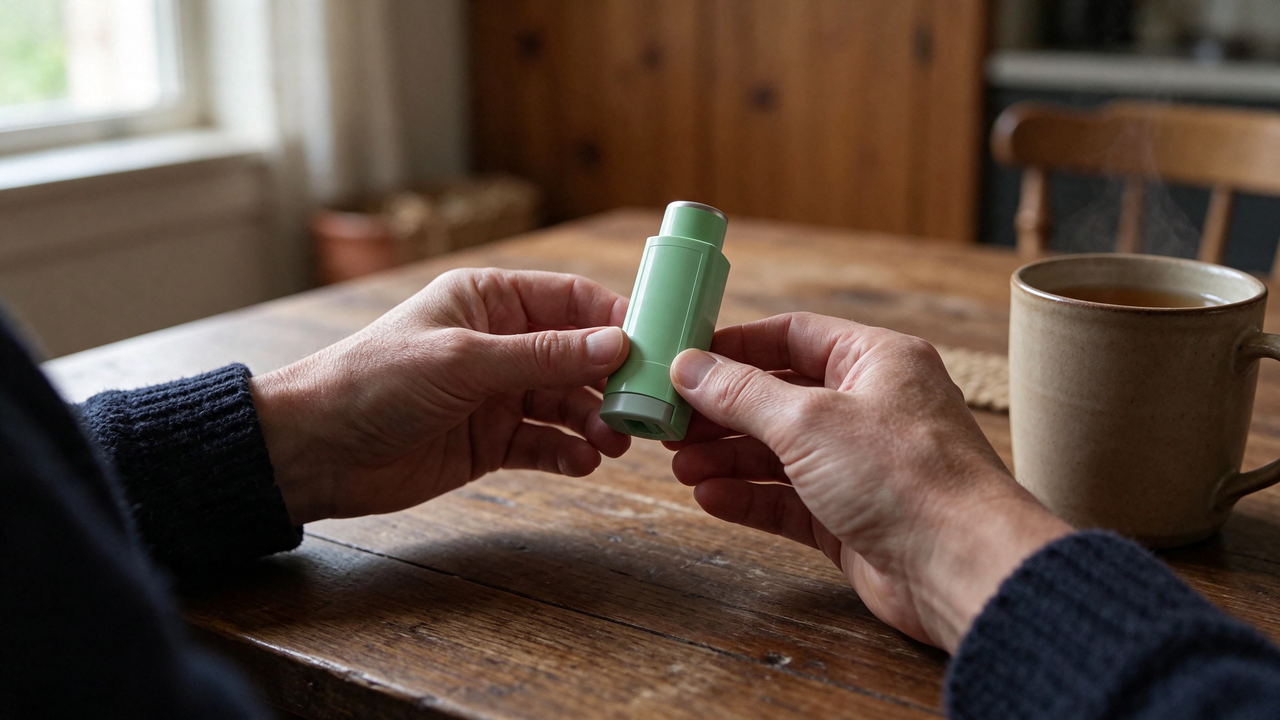
Cold, dry air can irritate the airways and cause coughing, wheezing and shortness of breath, says the American Lung Association. People with asthma or COPD (a long-term lung disease) should follow their action plan and keep their quick-relief inhaler close.
Diabetes

Cold days can make it harder to stay active and eat on a regular schedule, which can change blood sugar. Poor circulation can also leave feet colder and less sensitive. Check your feet every day for cuts, sores or color changes, and check your blood sugar as your care team advises.
Arthritis
Many people say their joints feel stiffer and more painful in cold weather. Researchers are still not sure why, and it does not happen to everyone. Staying warm and moving gently may help joints feel looser.
High blood pressure
Cold temperatures narrow blood vessels and can raise blood pressure, especially in older adults. Keep taking your medicine and check your readings as your doctor advises. You can also learn the symptoms of high blood pressure.
Winter safety for chronic illness: 10 important tips
Wear warm clothes in layers.
Several thin layers trap heat better than one thick one. Add a hat, gloves, scarf and warm socks, and change out of damp clothes quickly.
Keep your home comfortably warm
A common recommendation is at least 18°C (about 64°F) indoors. Older adults and people with some conditions may need it warmer, so ask your doctor. Never use a gas stove or charcoal for heat indoors because of carbon monoxide.

Avoid sudden exposure to very cold temperatures
Going from a warm room into freezing air can strain the heart and airways. Pause at the door, cover your nose and mouth with a scarf, and skip heavy work like shoveling snow unless your doctor says it is safe.
Take prescribed medicines on time
Do not stop or change a medicine without medical advice. Ask your doctor or pharmacist if any of your medicines affect how your body handles cold, and refill early so you do not run out during a storm.
Eat healthy and balanced meals
Regular meals give your body fuel to stay warm. The next section has food ideas.
Drink enough water
You may feel less thirsty in the cold, but your body still needs fluids. If you have a heart or kidney condition with fluid limits, follow your doctor’s advice.
Stay physically active indoors
Try gentle stretching, indoor walking or chair exercises. Short sessions help circulation and mood. Ask your doctor what level of activity is right for you.

Get recommended flu and other vaccines
The CDC says a flu vaccine can lower the risk of flu-related worsening of chronic conditions. Ask your doctor which other vaccines you need. If you feel unwell and are not sure whether it is a cold or the flu, read this guide to .
Monitor your health condition regularly
Check blood pressure, blood sugar, breathing or other symptoms as your doctor advises. A simple daily log helps you spot changes early.
Keep emergency medicines and important health contacts available
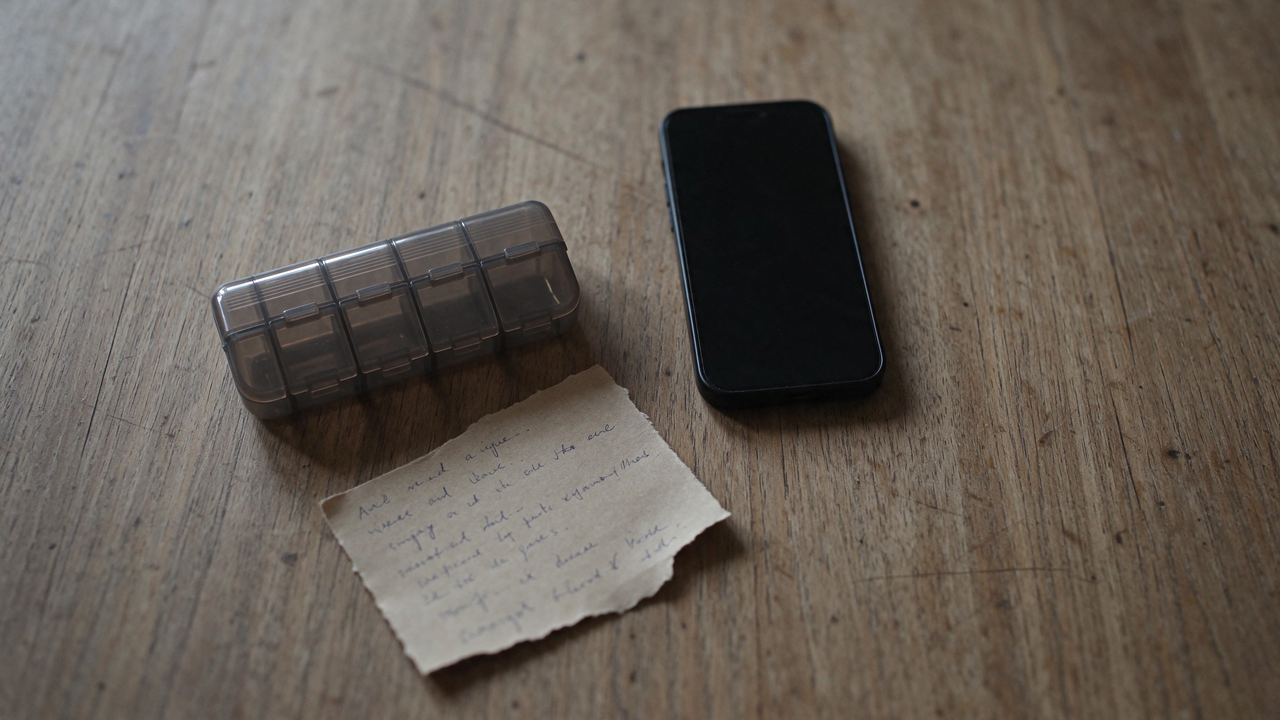
Keep your rescue inhaler or other emergency medicines, a medicine list, and phone numbers for your doctor and a family member in one place. The CDC suggests keeping at least a two-week supply of regular medicines.
Foods that can support your health during winter
Warm, balanced meals help your body stay strong, which is a key part of winter safety for chronic illness. Build meals around vegetables, fruits, whole grains such as oats or brown rice, and protein such as beans, lentils, eggs, fish or lean meat. Soups and stews are an easy way to add vegetables.
No food can cure a chronic disease or guarantee protection from illness. People with diabetes, heart disease or kidney disease should follow the meal plan their care team gave them, including any limits on salt, sugar or potassium. For ideas, see Healthy Genre’s list of heart-healthy foods.
When should people with chronic diseases contact a doctor?

Knowing when to get help is part of winter safety for chronic illness. Get medical attention promptly if you notice any of these signs:
- Chest pain or pressure.
- Unusual shortness of breath.
- Severe dizziness or fainting.
- Very high or very low blood sugar.
- Worsening asthma symptoms.
- Signs of hypothermia, such as confusion, extreme tiredness and slurred speech.
The CDC lists shivering, exhaustion, confusion, fumbling hands, memory loss and slurred speech as warning signs of hypothermia in adults. It says a body temperature below 95°F (35°C) needs medical attention right away.
Severe chest pain, serious trouble breathing, fainting or signs of a medical emergency need emergency help immediately. Call your local emergency number instead of waiting for symptoms to pass. For the AHA’s advice on heart safety in the cold, including snow shoveling, see its cold weather heart health tips.
Frequently asked questions
Why is winter difficult for people with chronic diseases?
Cold air makes the heart and lungs work harder, and winter brings more flu and colds. People with long-term conditions are at higher risk of serious flu complications, according to the CDC. Less daily activity and changes in eating habits can also affect health.
How can chronic patients stay safe during winter?
Winter safety for chronic illness starts with simple habits. Dress in layers, keep your home warm, take medicines as prescribed and stay active indoors. Get recommended vaccines, monitor your symptoms and keep emergency medicines and contacts handy. Ask your doctor for a plan that fits your condition.
Does cold weather affect blood pressure?
Yes, it can. Cold temperatures narrow blood vessels, which can raise blood pressure, especially in older adults. Keep taking prescribed medicine and check your readings as your doctor advises. Do not change your dose on your own.
Can winter make asthma symptoms worse?
For some people, yes. Cold, dry air can irritate the airways and cause coughing, wheezing and shortness of breath, says the American Lung Association. Follow your asthma action plan, keep your quick-relief inhaler with you and call your doctor if symptoms get worse.
What should people with chronic illnesses avoid during winter?
Avoid sudden heavy effort like shoveling snow, staying in damp clothes, and skipping medicines. Do not use gas stoves or charcoal indoors for heat. Alcohol can make the body lose heat faster, so limit it. Keep away from people who are sick when you can.
Winter safety for chronic illness comes down to a few steady habits. Stay warm, follow your treatment plan, eat balanced meals, get your vaccines and keep an eye on your symptoms.
If your condition changes or you notice warning signs, contact your healthcare provider. This article is general information, not personal medical advice, so talk to a qualified healthcare professional about your own situation.