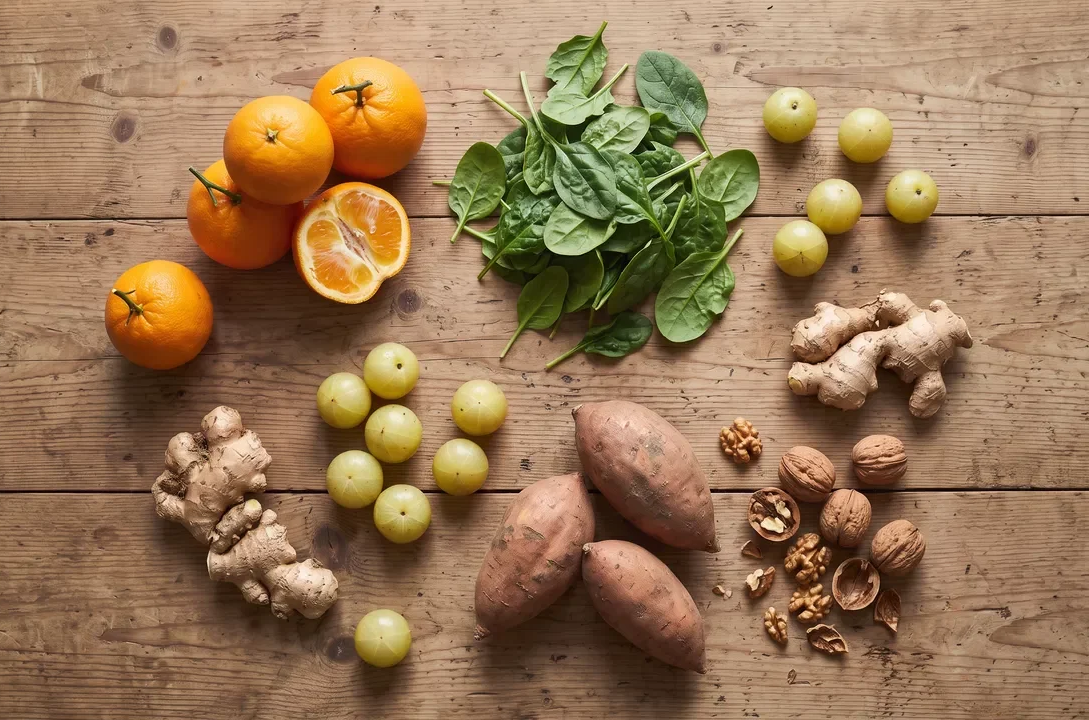
Winter brings colder temperatures, shorter days, and changes in everyday eating habits. During this season, many people spend more time indoors and may become less physically active. Maintaining a balanced diet is one practical way to support overall health and give the body the nutrients it needs to function properly.
Choosing seasonal fruits, vegetables, whole grains, nuts, and protein-rich foods can help provide important vitamins and minerals. These nutrients play different roles in supporting normal immune system function, maintaining healthy cells, and helping the body respond to infections.
The best winter foods for a healthy immune system are not special remedies or miracle ingredients. They are everyday foods that provide a variety of nutrients. Eating them as part of a balanced diet can support general wellness throughout the colder months.
For more practical guidance, explore our article on how to increase your immune system naturally, which discusses everyday habits that support overall health.
Why Is Healthy Eating Important During Winter?
The immune system protects the body against harmful bacteria, viruses, and other outside threats. It relies on different cells, tissues, and organs working together. To perform these functions, the body needs a regular supply of nutrients from food.
Vitamins A, C, D, and E, along with minerals such as zinc and iron, all contribute to normal immune function. Protein is also important because the body uses it to build and maintain immune cells and other tissues. The National Institutes of Health (NIH) provides detailed information about how different nutrients contribute to health.
Eating a variety of foods helps provide these nutrients. Seasonal vegetables, fruits, legumes, dairy products, nuts, seeds, and whole grains can all contribute to a healthy winter diet.
However, no single food can prevent infections or guarantee protection from seasonal illnesses. Good nutrition works alongside other healthy habits, including sufficient sleep, regular physical activity, vaccination when recommended, and proper hygiene.
15 Best Winter Foods for a Healthy Immune System
1. Oranges
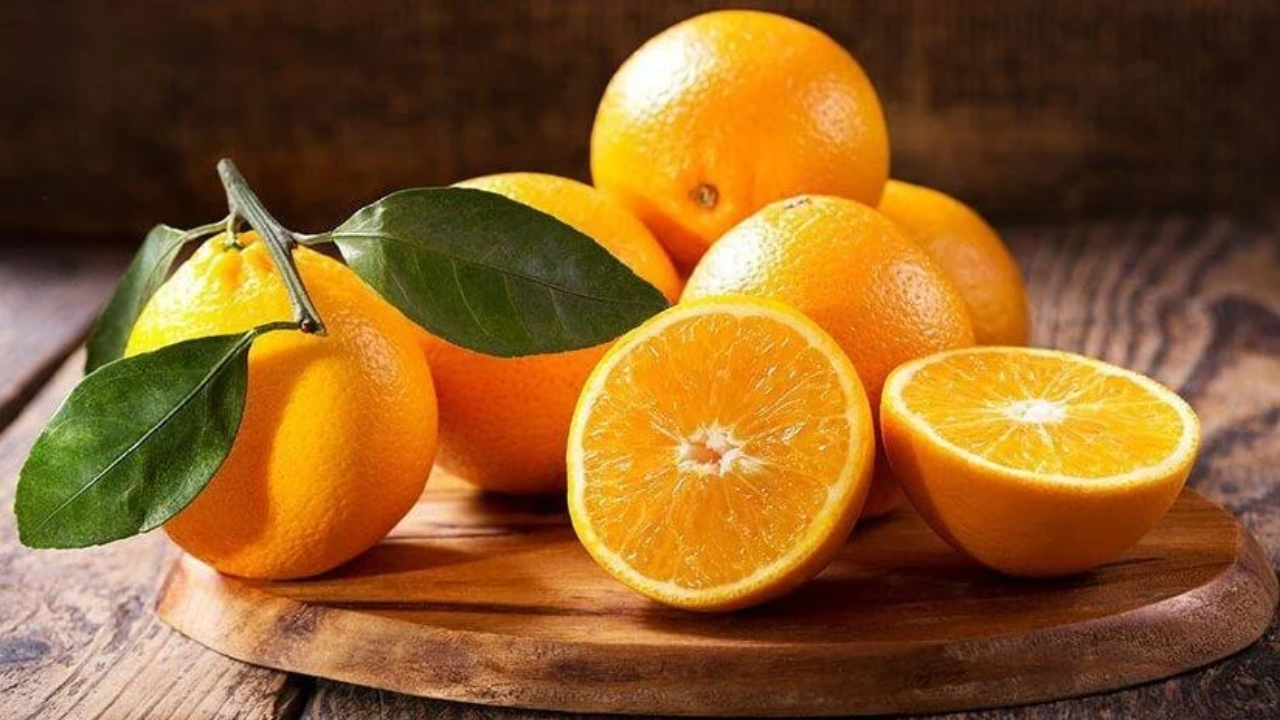
Oranges are among the most popular winter fruits and are a useful source of vitamin C. This vitamin supports normal immune function and helps protect cells from oxidative damage. It also supports collagen production, which is important for healthy skin and other body tissues.
The NIH vitamin C fact sheet explains the role of this nutrient in normal body functions.
Enjoy fresh oranges as a snack, add their segments to fruit salads, or squeeze them into homemade juice. Whole oranges provide fibre that is often reduced when fruit is juiced.
2. Amla (Indian Gooseberry)

Amla is a traditional Indian fruit known for its vitamin C content. It also contains plant compounds that contribute to its nutritional value. Vitamin C helps support normal immune system activity and the body’s ability to absorb iron from plant-based foods.
You can eat fresh amla, add small pieces to salads, or use it in homemade chutneys. Its naturally sour taste makes it a useful addition to different winter meals.
3. Carrots
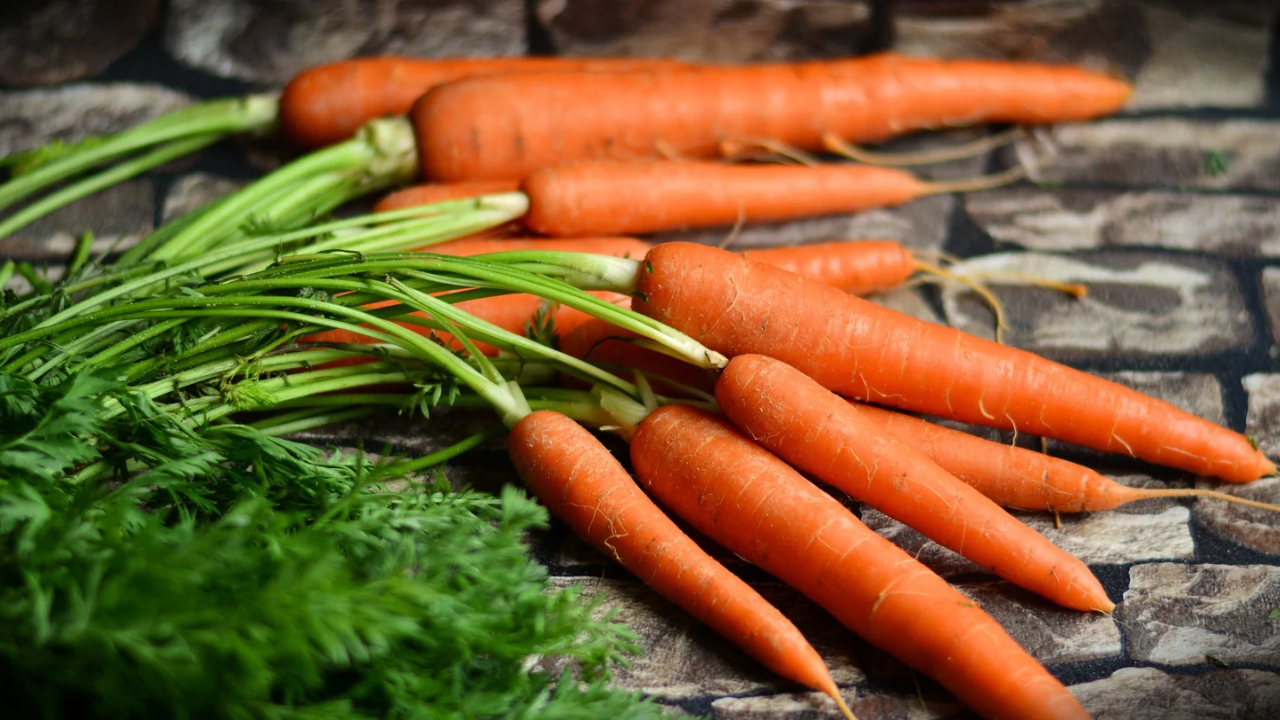
Carrots are rich in beta-carotene, which the body can convert into vitamin A. Vitamin A supports normal immune function, healthy vision, and the maintenance of skin and other protective tissues.
According to the NIH vitamin A fact sheet, vitamin A plays an important role in maintaining normal body functions.
Carrots are easy to include in everyday meals. Add them to vegetable soups, salads, mixed vegetables, or homemade dishes. They can also be eaten raw as a crunchy snack.
4. Spinach
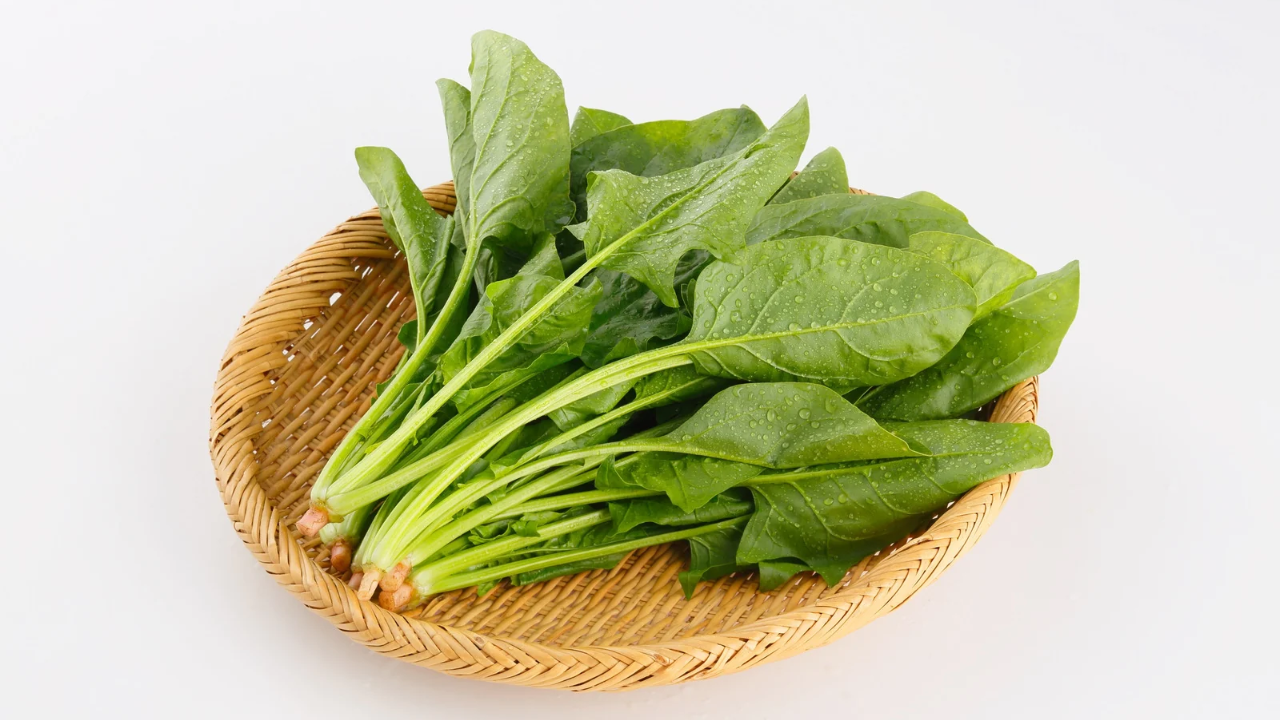
Spinach provides several important nutrients, including folate, vitamin C, vitamin K, and iron. These nutrients support different body functions, including healthy blood cells and normal immune activity.
Fresh spinach can be added to soups, lentils, vegetable curries, and omelettes. Light cooking makes it easy to include in warm winter meals.
5. Sweet Potatoes

Sweet potatoes provide beta-carotene, fibre, potassium, and other useful nutrients. Their beta-carotene content supports the body’s vitamin A needs, while fibre helps maintain healthy digestion.
Roasted sweet potatoes make a satisfying winter snack. You can also add them to soups, vegetable bowls, or homemade meals for extra flavour and nutrition.
6. Ginger
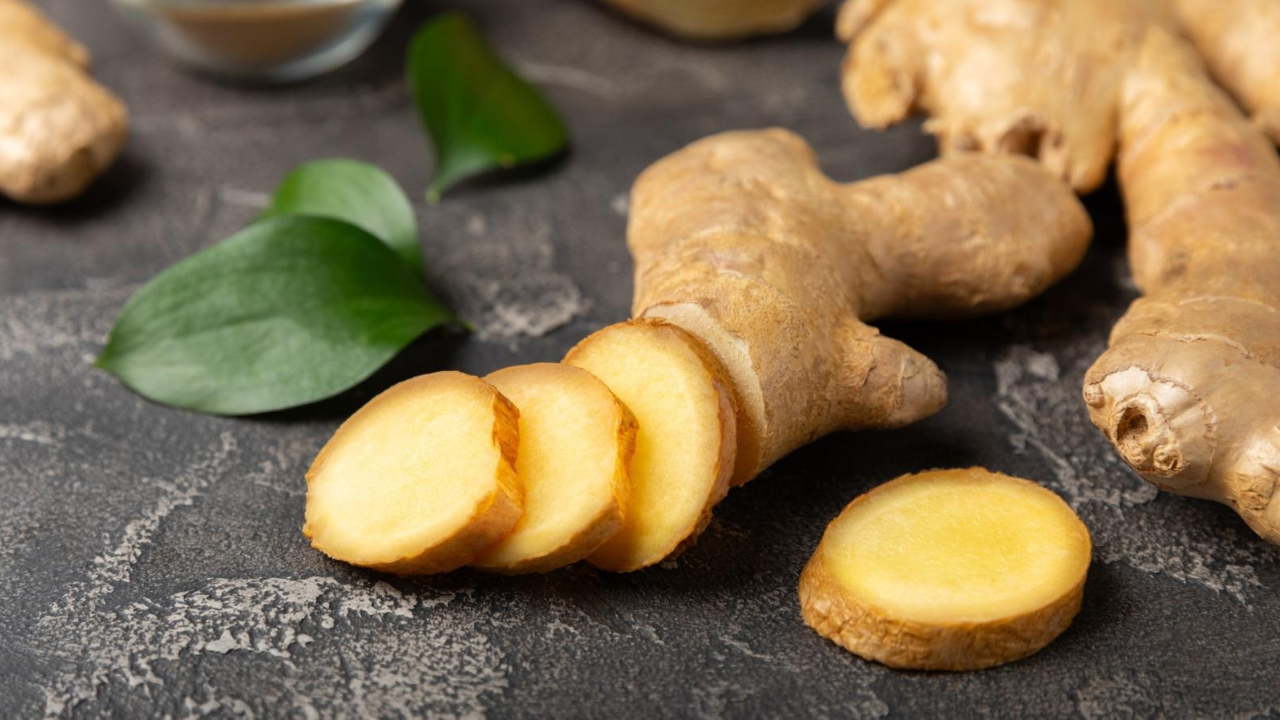
Ginger contains natural plant compounds, including gingerols, that give it its distinct flavour. It is commonly used in traditional cooking and warm drinks. Ginger can add flavour to meals without requiring large amounts of salt or sugar.
Add fresh ginger to vegetable soups, tea, lentils, or homemade curries. Although it is often used in winter wellness routines, it should not be considered a treatment or cure for infections.
7. Garlic
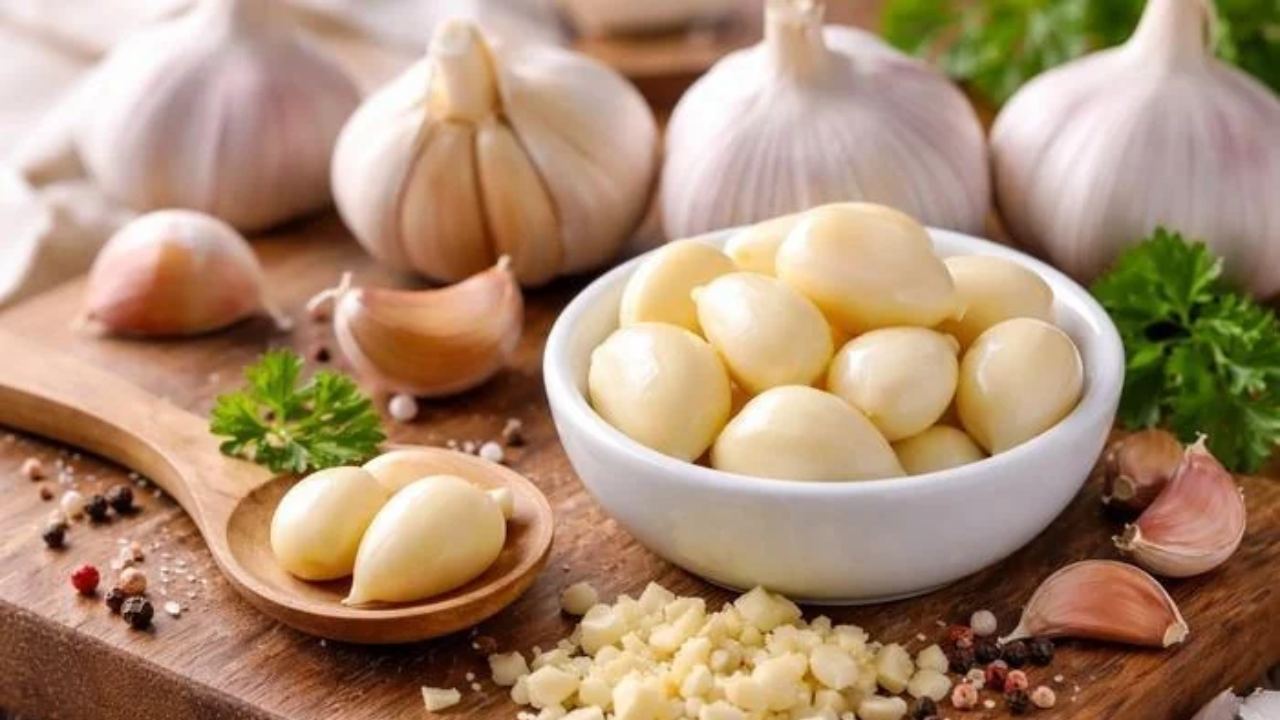
Garlic contains sulphur-based compounds, including allicin, which forms when garlic is crushed or chopped. It also adds flavour to meals and can be part of a varied, balanced diet.
Use fresh garlic in vegetable dishes, soups, lentils, and homemade sauces. It can help make nutritious meals more enjoyable without relying heavily on processed seasonings.
8. Almonds
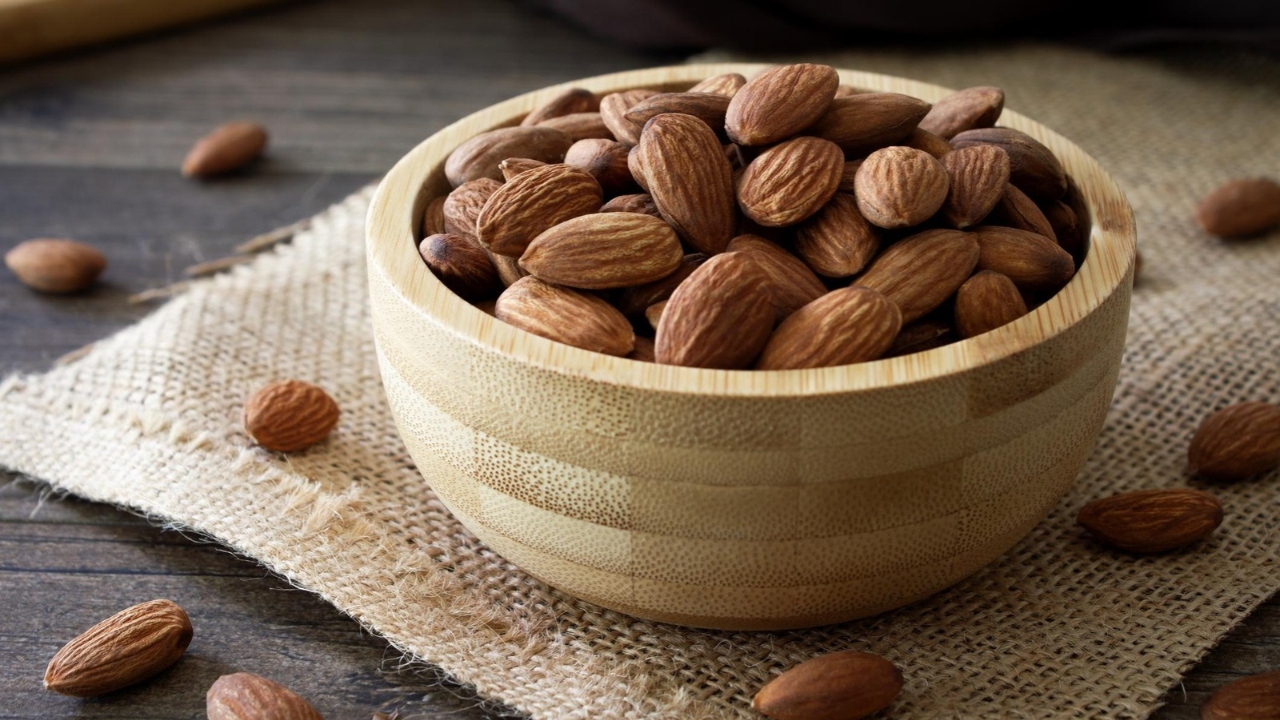
Almonds provide vitamin E, healthy fats, plant-based protein, and fibre. Vitamin E acts as an antioxidant and helps protect cells from oxidative damage. Almonds also provide magnesium, which supports normal muscle and nerve function.
The NIH vitamin E fact sheet explains why this vitamin is important for normal immune function.
A small handful of unsalted almonds makes a convenient snack. You can also add chopped almonds to porridge, yoghurt, or homemade breakfast bowls.
9. Walnuts
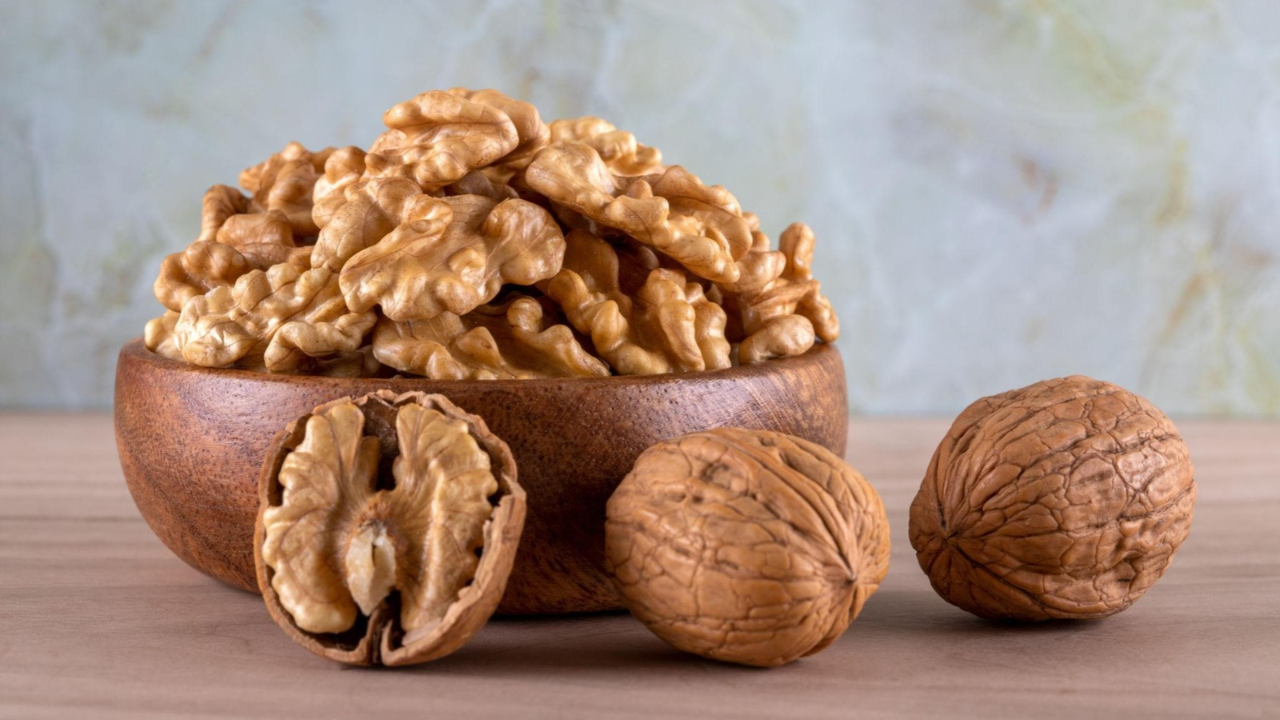
Walnuts are a useful source of plant-based omega-3 fatty acids, particularly alpha-linolenic acid (ALA). They also contain fibre, protein, and antioxidant plant compounds that contribute to overall nutritional health.
Add walnuts to oatmeal, fruit salads, yoghurt, or homemade snacks. They can also be used in vegetable dishes to provide extra texture and healthy fats.
Nuts can also be part of a heart-conscious eating pattern. Read our guide to 25 heart-healthy foods to make you happier and healthier for more nutritious food ideas.
10. Pomegranates
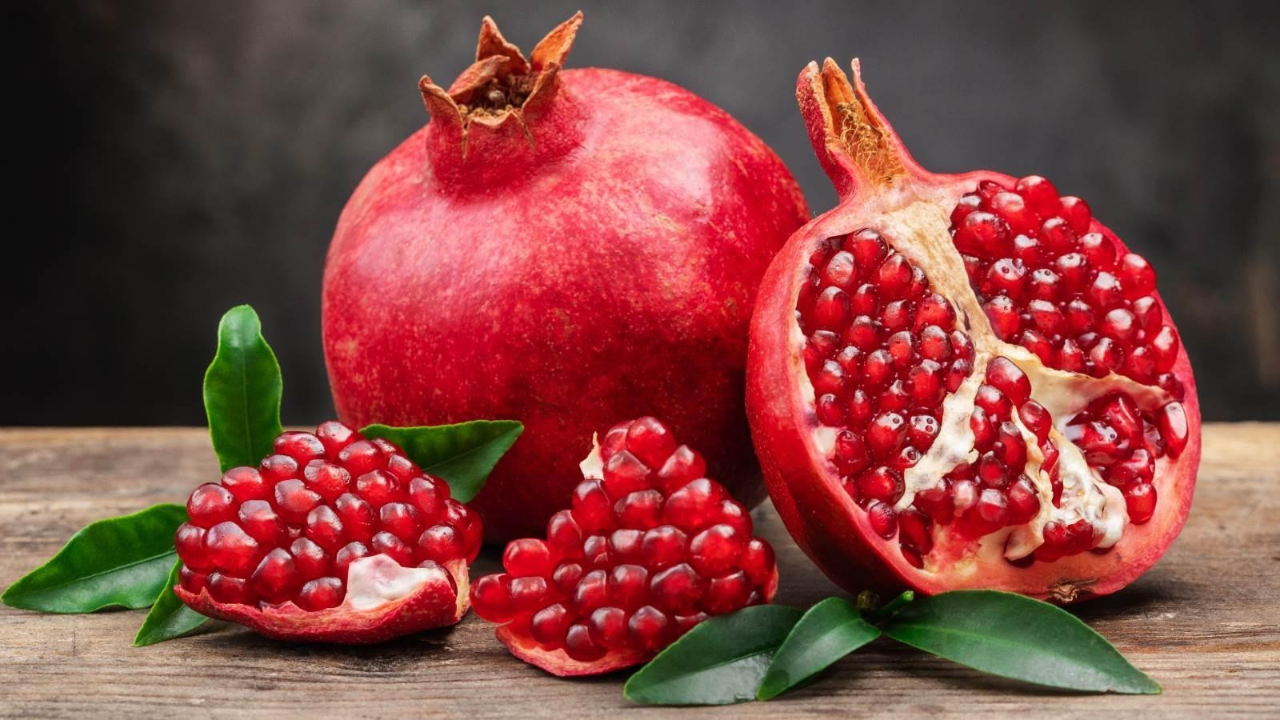
Pomegranates contain fibre, vitamin C, and plant compounds called polyphenols. These compounds have antioxidant properties that help protect cells from oxidative stress.
The seeds can be added to salads, breakfast bowls, or homemade snacks. Eating the whole seeds also provides fibre, making them a nutritious addition to a balanced winter diet.
11. Broccoli
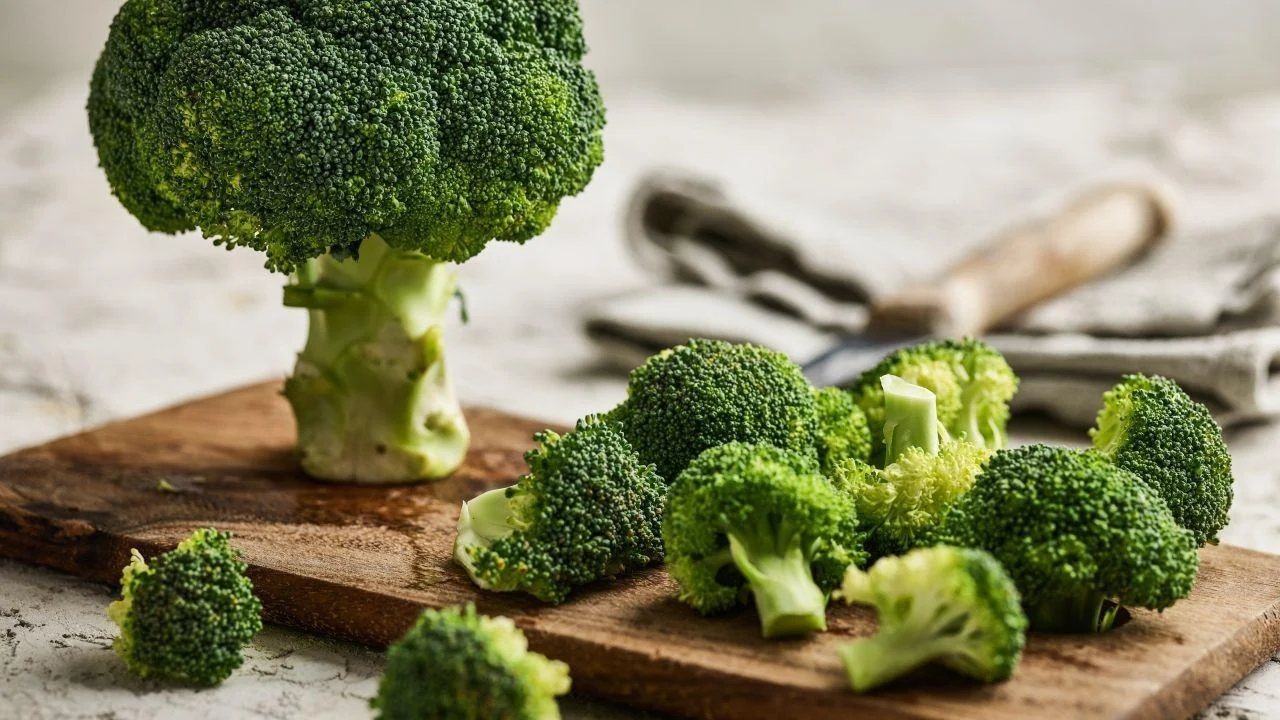
Broccoli is a nutrient-rich vegetable that provides vitamin C, fibre, folate, and vitamin K. Vitamin C supports normal immune function, while fibre contributes to healthy digestion.
Try adding steamed broccoli to lunch or dinner. It can also be included in soups, vegetable stir-fries, and mixed vegetable dishes.
12. Yogurt
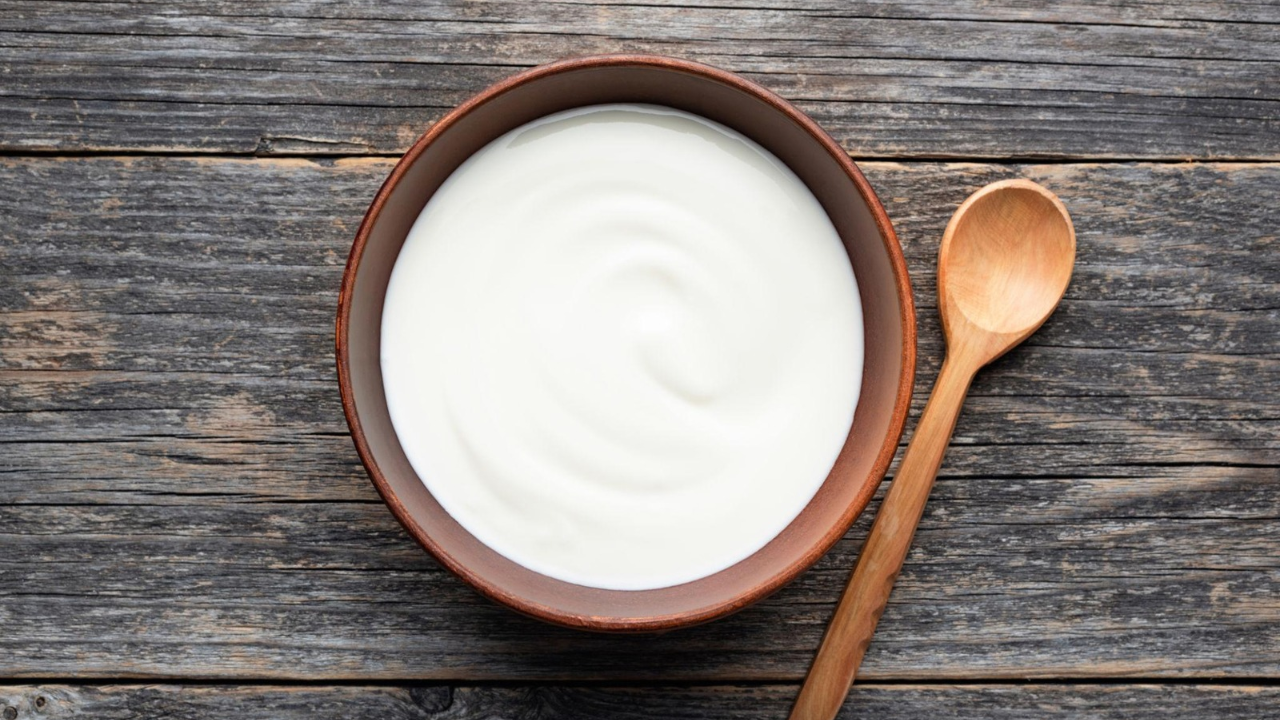
Yogurt provides protein, calcium, and vitamin B12. Some varieties also contain live cultures, commonly called probiotics, which can help support a healthy balance of gut microorganisms.
The NIH probiotics fact sheet explains what probiotics are and what research says about their potential health benefits.
Choose plain, unsweetened yogurt when possible to limit added sugar. Enjoy it with fruit, nuts, or seeds as part of breakfast or an afternoon snack.
13. Lentils and Beans
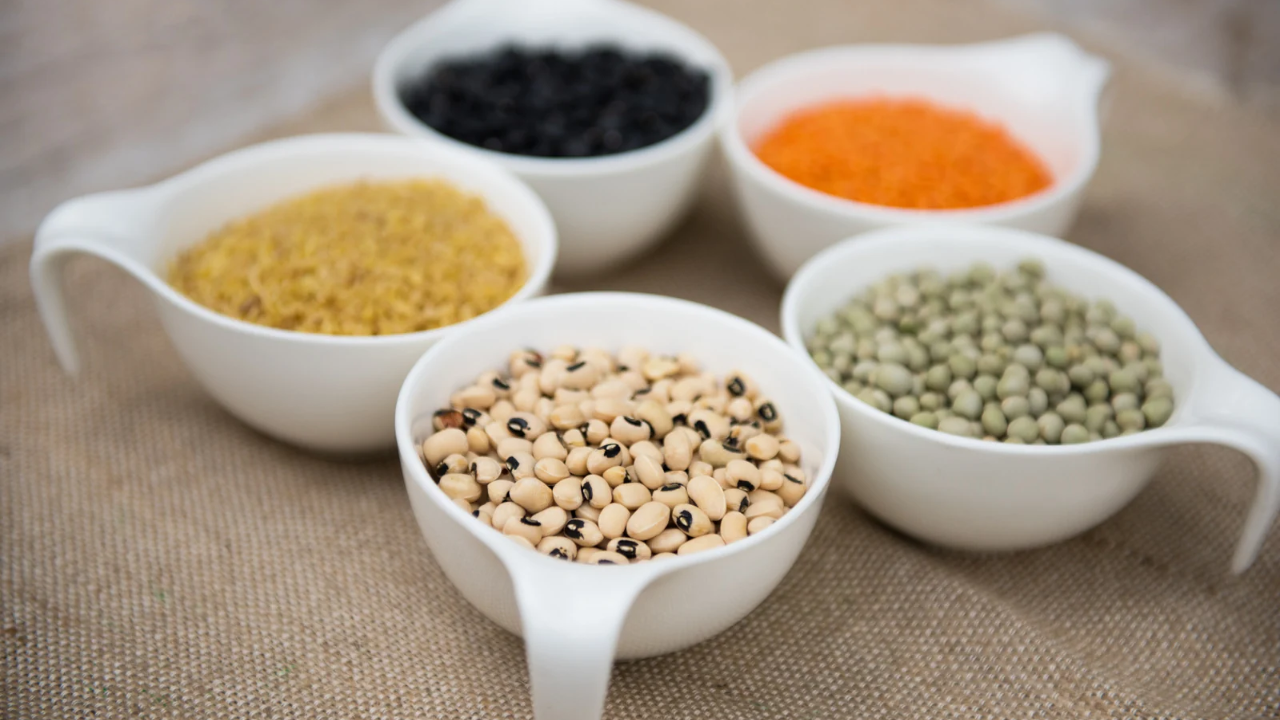
Lentils and beans are affordable sources of plant-based protein, fibre, iron, folate, and other important nutrients. Protein helps the body maintain tissues and produce substances needed for normal immune function.
Include dal, chickpeas, kidney beans, or other legumes in regular meals. Pairing plant-based iron sources with vitamin C-rich foods, such as tomatoes or oranges, can improve iron absorption.
14. Mushrooms
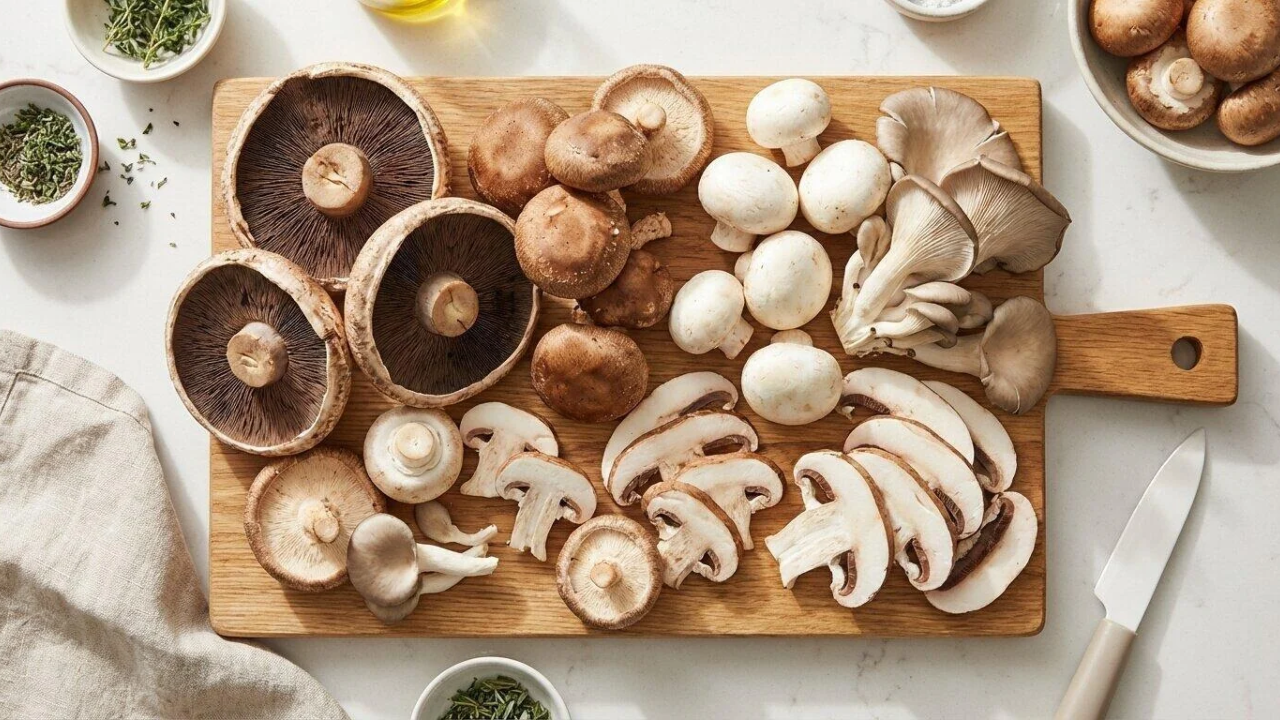
Mushrooms provide nutrients such as selenium, riboflavin, and other B vitamins. Some varieties exposed to ultraviolet light contain useful amounts of vitamin D, although ordinary mushrooms may contain very little.
Vitamin D contributes to normal immune system function and helps maintain healthy bones. The NIH vitamin D fact sheet provides further information about its role in the body.
Add mushrooms to soups, vegetable curries, omelettes, or stir-fries for extra flavour and nutrients.
15. Turmeric

Turmeric contains curcumin, a natural plant compound that has been studied for its antioxidant and anti-inflammatory properties. However, research on turmeric does not establish that eating it prevents or treats winter infections.
Fresh turmeric or a small amount of turmeric powder can be added to soups, lentils, vegetables, and warm milk. Using it as a cooking ingredient is a simple way to include it in everyday meals.
Easy Tips to Add Healthy Winter Foods to Your Daily Diet
Eating healthy during winter does not have to be complicated. A few simple changes can help you include more nutrient-rich foods in your everyday meals.
- Eat seasonal fruits and vegetables: Include oranges, amla, carrots, spinach, and other seasonal produce in your meals.
- Add nuts and seeds to breakfast: Almonds, walnuts, chia seeds, and flaxseeds provide healthy fats, fibre, and other nutrients.
- Include protein in your main meals: Choose eggs, lentils, beans, yoghurt, fish, or other protein-rich foods.
- Drink enough water: Cold weather may reduce your feeling of thirst, but your body still needs regular fluids. Water, soups, and other unsweetened drinks can help.
- Choose homemade soups: Vegetable soups with lentils, carrots, spinach, and other ingredients make nutritious winter meals.
- Eat a variety of foods: Different foods provide different nutrients, so avoid depending on just one fruit or vegetable.
- Be careful with supplements: Do not take high doses of vitamins or minerals without professional advice. Supplements are generally most useful when they address a specific nutritional need.
The World Health Organization’s healthy diet guidance also recommends eating a variety of nutritious foods and limiting excess salt, free sugars, and unhealthy fats.
Small, consistent changes can make a balanced winter diet easier to maintain.
Foods and Habits to Limit During Winter
Along with including healthy winter foods, it is helpful to pay attention to eating habits that may affect overall health.
Excessive sugary foods and drinks: Sweets, sugary beverages, and desserts can add extra calories without providing many essential nutrients. Enjoy them occasionally rather than making them everyday staples.
Highly processed snacks: Packaged snacks, chips, and some ready-to-eat foods may contain high amounts of salt, added sugar, and unhealthy fats. Choose fruits, nuts, or homemade snacks more often.
Too much salt: Excessive salt intake can increase blood pressure. Limit heavily salted snacks and processed foods.
Excessive alcohol: Drinking too much alcohol can affect sleep, hydration, and overall health. Limiting alcohol is a healthier choice.
Unbalanced diets: Skipping meals or following restrictive diets without a nutritional reason may make it harder to meet your daily nutrient needs. Aim for balanced meals that include vegetables, fruits, protein, and whole grains.
Conclusion
Eating well during winter is an important part of maintaining overall health. Including nutrient-rich foods such as oranges, amla, carrots, spinach, almonds, walnuts, lentils, and yoghurt can help provide vitamins, minerals, protein, and other nutrients that support normal immune system function.
The best winter foods for a healthy immune system are not limited to a particular fruit or vegetable. A varied and balanced diet, combined with enough sleep, regular exercise, good hygiene, and recommended vaccinations, supports better overall wellness.
Start with small changes, enjoy seasonal foods, and make healthy eating a regular part of your winter routine. Remember, no food guarantees protection from illness, but good nutrition helps your body get the nutrients it needs to function properly.