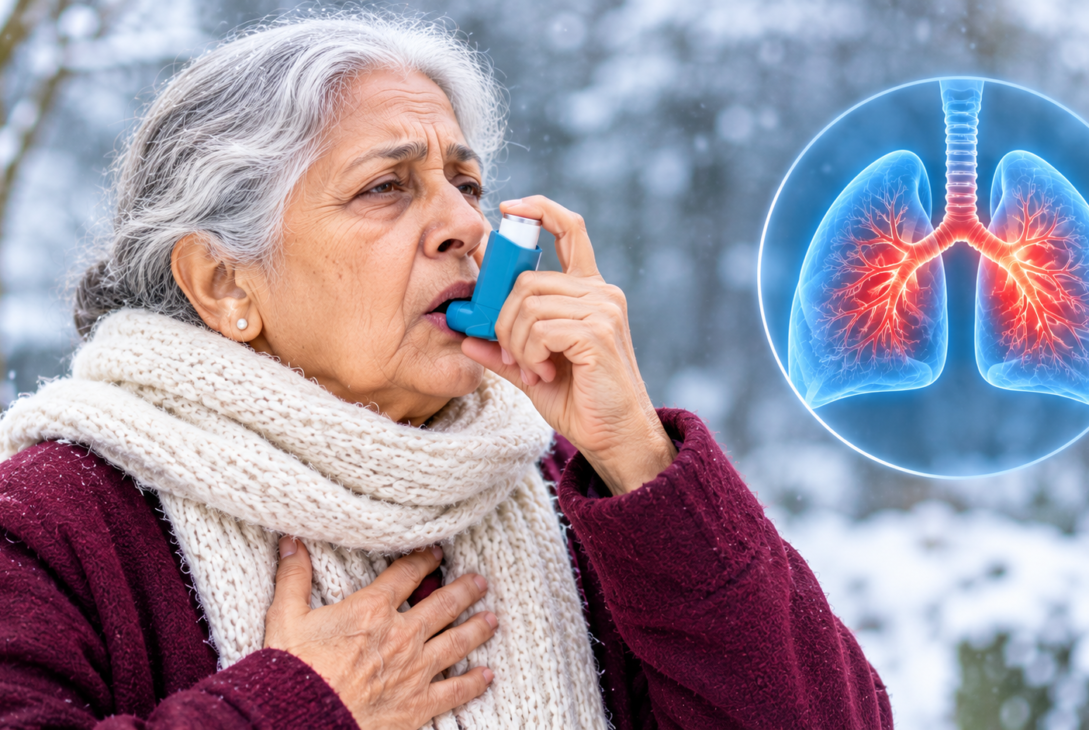
If you have asthma, you probably know this moment. You step outside on a frosty morning, take a deep breath, and your chest feels tight. Asthma is a long-term condition that makes the airways in your lungs extra sensitive. Cold air is one of the most common things that can set off symptoms, which is why asthma in winter can feel so hard to handle.
The good news is that winter doesn’t have to keep you indoors. Once you understand what cold air does to your lungs, you can plan ahead. This guide covers the causes, the warning signs, and the daily habits that help.
What Is Asthma, and Why Does It Affect Breathing?
Your lungs have small tubes called airways. Air moves through them every time you breathe. In a person with asthma, these tubes are often a little swollen and very easy to irritate.
When something bothers the airways, three things can happen. They swell more, the muscles around them tighten, and they make extra mucus. The tubes get narrow, and less air gets through.
Common asthma symptoms include:
- A cough that is worse at night or early in the morning
- Wheezing, which is a whistling sound when you breathe out
- A tight or heavy feeling in the chest
- Shortness of breath
Not everyone has all of these. Some people notice mild symptoms now and then. Others deal with them most days.
What’s the Cause of Asthma?
There is no single answer here. Doctors believe asthma comes from a mix of family history and the environment. A child with a parent who has asthma or allergies is more likely to develop it. Allergies and eczema are also linked to asthma.
Things around us play a part too. These are some common triggers, meaning things that can set off symptoms in people who already have asthma:
- Dust and dust mites
- Pollen
- Mold
- Smoke, including tobacco smoke
- Air pollution
- Colds, flu, and other lung infections
Triggers are different for every person. Something that bothers you may not affect your friend at all. Keeping a short note of when your symptoms flare up can help you and your doctor spot your own pattern.
How Cold Air Affects Asthma in Winter
So how cold air affects asthma comes down to a few simple things.
Dry air irritates the airways
Cold, dry air can cause the airways to lose heat and moisture. This may irritate sensitive airways and cause them to become narrow. As a result, people with asthma may experience coughing, wheezing, chest tightness, and shortness of breath.
Sudden temperature changes
Moving from a warm room into very cold air can trigger symptoms in people with sensitive airways. Some people may notice coughing, wheezing, or breathing problems within minutes of stepping outside.
Night-time symptoms
Many people with asthma find that their symptoms become worse at night or early in the morning. A cold bedroom, dusty bedding, or other indoor triggers may make these symptoms harder to manage.
Breathing through the mouth
Your nose warms and moistens air before it reaches your lungs. When you walk fast or exercise in the cold, you often switch to mouth breathing. The cold, dry air then goes straight into your airways.
It’s not only the cold
Winter brings other problems too. Colds and flu spread more easily when people spend time together indoors. Closed windows and heaters can also mean more dust and stale air at home. For many people, asthma in winter is a mix of all of these.
Asthma in Winter: Common Symptoms to Watch For
Watch for these signs when the weather turns cold:
- A dry cough that won’t go away
- Wheezing or a whistling sound in your chest
- Chest tightness, as if something is squeezing you
- Trouble catching your breath, even during light activity
Asthma symptoms can often get worse at night, and a cool bedroom or dusty bedding can add to the problem.
Outdoor activity can also bring symptoms on. When you move more, you breathe faster and deeper, so more cold air reaches your lungs. The NHLBI lists coughing, wheezing, chest tightness, and shortness of breath among the common symptoms of asthma.
What Happens During an Asthma Attack?
An asthma attack is a sudden worsening of symptoms. Inside the lungs, the muscles around the airways tighten, the lining swells, and thick mucus builds up. The tubes become so narrow that moving air in and out is hard work.
The warning signs often build up over a few hours or a day. Look out for:
- A cough or wheeze that keeps getting worse
- Chest tightness or pain
- Fast breathing or feeling out of breath while resting
- Trouble speaking in full sentences
- Needing your quick-relief inhaler more often than usual
What to do first
Follow your asthma action plan. This is a written plan from your doctor that tells you which medicine to take and when. Use your prescribed quick-relief inhaler exactly as directed. Sit upright and try to stay as calm as you can. If you don’t have an action plan yet, ask your doctor to help you make one.
A severe asthma attack can become life-threatening.
- Do not wait for symptoms to become unbearable before seeking help.
- Follow the written asthma action plan.
- Do not rely on home remedies during an emergency.
- Seek immediate medical attention if the prescribed reliever medicine does not help as directed.
The NHLBI explains that an asthma attack can happen when swelling and tightening narrow the airways, making breathing difficult.
When it becomes an emergency
Get emergency medical help right away if:
- You have severe trouble breathing
- You can only speak a few words at a time
- Your lips or face turn blue or grey
- Your quick-relief inhaler doesn’t help, or the relief doesn’t last
- Your symptoms are getting worse fast
Don’t wait to see if it passes. Call your local emergency number or get to the nearest hospital.
Managing Asthma in Winter

Managing asthma in winter is mostly about small habits that add up. Here are the ones that matter most:
- Cover your nose and mouth. A scarf or light mask warms and moistens the air before you breathe it in.
- Warm up before exercise. Spend a few minutes moving gently before you pick up the pace. Your airways get used to the effort slowly.
- Stay away from smoke, dust, and strong smells. Wood smoke, incense, strong perfume, and cleaning sprays can all irritate sensitive airways.
- Take your medicines as directed. Many people have a daily controller medicine, and it works best when you take it even on days you feel fine. Never stop or change a medicine without talking to your doctor.
- Keep your inhaler close. Carry your quick-relief inhaler every time you leave the house.
- Wash your hands often. This lowers your chances of catching a cold or flu, two common winter triggers.
- Go for regular checkups. Your doctor can review your treatment and your action plan, and can tell you if a flu vaccine is right for you.
The NHLBI recommends covering your nose and mouth with a scarf on cold or windy days to help warm and moisten the air you breathe.
Lifestyle Modification for Asthma
Daily habits can make asthma in winter, and the rest of the year, easier to live with. They won’t cure it, but they can help you feel more in control.
- Stay active, with care. Regular exercise strengthens your body and lungs. Choose gentle activities, warm up first, and move indoors on very cold days.
- Eat well and sleep enough. Good nutrition and enough sleep support general health, although they can’t guarantee protection against infections.
- Drink enough water. Staying hydrated supports general health, but drinking water alone will not prevent airway dryness or asthma attacks.
- Keep your home clean. Wash bedding often in hot water, wipe surfaces with a damp cloth, and vacuum regularly. This cuts down the dust that builds up when windows stay shut.
- Avoid smoking and secondhand smoke. Smoke is one of the strongest asthma triggers. Ask family and guests to smoke outside.
Lifestyle changes support your asthma care. They do not replace the treatment your doctor prescribes.
When Should Asthma Patients See a Doctor?
Book an appointment if you notice any of these:
- Symptoms show up more often than before
- Coughing wakes you up at night
- You use your quick-relief inhaler more than usual
- Asthma stops you from doing normal activities
- Your medicine doesn’t seem to be working
Some symptoms can’t wait for an appointment. Severe breathing difficulty, trouble speaking, or blue or grey lips need emergency care straight away.
Frequently Asked Questions (FAQs)
1. What’s the Cause of Asthma?
Asthma does not have one single known cause. It may develop due to a combination of family history, genetics, allergies, and environmental factors. Some people are more likely to develop asthma if their parents have the condition or if they have allergies. Smoke, air pollution, and certain workplace exposures may also increase the risk. However, asthma triggers are different from asthma causes. Triggers such as cold air, dust, pollen, and respiratory infections can make symptoms worse in people who already have asthma. According to the National Heart, Lung, and Blood Institute (NHLBI), asthma may develop due to a combination of genetic and environmental factors.
2. How Cold Air Affects Asthma Patients
Cold, dry air can trigger asthma symptoms in people with sensitive airways. When you breathe in cold air, your airways may lose heat and moisture. This can cause the muscles around the airways to tighten, making it harder for air to move in and out of your lungs. You may notice coughing, wheezing, chest tightness, or shortness of breath.
3. What Happens During an Asthma Attack?
The muscles around your airways tighten, the lining swells, and extra mucus builds up. Air has a hard time getting through, so breathing becomes difficult.
4. Is walking safe for asthma patients during winter?
For many people, yes. Walking is gentle exercise. Warm up first, wear a scarf over your face, walk at an easy pace, and take your inhaler with you. On very cold days, you can walk indoors instead. Ask your doctor what suits you best.
5. Can wearing a scarf help people with asthma in cold weather?
Yes. A scarf warms and adds a little moisture to the air before it reaches your airways. It helps, but it doesn’t replace your medicine.
6. What are the common causes of asthma?
There isn’t one cause. Asthma usually comes from a mix of family history, allergies, and things in the environment such as smoke, pollution, mold, and lung infections.
7. Can lifestyle changes help control asthma?
They can help. Avoiding triggers, staying active, sleeping well, and keeping your home clean all make a difference. They work alongside your medicine, not in place of it.
8. Should asthma patients avoid going outside in winter?
Usually not. Most people with asthma in winter can go out if they prepare well. If it’s extremely cold or your symptoms are active, staying in is the safer choice. Follow your doctor’s advice.
9. When should an asthma patient seek emergency medical help?
Get help right away if you have severe trouble breathing, can’t speak more than a few words, or have blue or grey lips. Do the same if your quick-relief inhaler isn’t helping.
Medical disclaimer: This article is for educational purposes only. It does not replace professional medical advice, diagnosis, or treatment. Consult a qualified healthcare professional about your asthma symptoms and treatment.