
Many people think allergies only happen during spring and summer. However, winter allergies can also cause sneezing, a runny nose, itchy eyes, and a blocked nose. These symptoms may become more common when people spend more time inside their homes during colder months.
During winter, dust mites, mold, and pet dander can trigger allergic reactions in sensitive people. Closed windows and limited fresh air may also allow indoor allergens to build up. Understanding these winter allergy triggers can help you take simple steps to reduce exposure and feel more comfortable.
With regular cleaning, good indoor air quality, and a few healthy habits, you can make your home more comfortable during winter.
Why Do Allergies Occur During Winter?
Winter allergies often happen because people spend more time indoors. When windows and doors remain closed, dust and other allergens can collect inside the home.
Some common causes include:
- Dust mites: These tiny creatures live in mattresses, pillows, carpets, and soft furniture. Their waste particles can trigger allergies in sensitive people.
- Mold: Mold can grow in damp bathrooms, kitchens, basements, and areas with water leaks.
- Pet dander: Small particles from pets’ skin, saliva, and urine can spread around the home and cause allergic reactions.
- Poor ventilation: Rooms with limited fresh air may allow dust and other indoor particles to build up.
According to the American Academy of Allergy, Asthma and Immunology (AAAAI), indoor allergens such as dust mites, mold, and animal dander can cause allergy symptoms throughout the year.
It is also important to remember that not every winter cold or runny nose is an allergy. Respiratory infections can cause similar symptoms.
Common Indoor Triggers of Winter Allergies
Knowing what causes your symptoms is an important part of winter allergy prevention.
Dust Mites
Dust mites are tiny creatures that are commonly found in bedding, mattresses, carpets, and upholstered furniture. They feed on dead skin flakes and can trigger sneezing, itching, and a stuffy nose in people with dust mite allergies.
Mold and Damp Areas
Mold grows in places where moisture collects. Bathrooms, kitchens, damp walls, and areas around leaking pipes can provide suitable conditions for mold growth. Mold spores can become airborne and trigger symptoms in people who are sensitive to them.
Pet Dander
Pet dander consists of tiny particles from an animal’s skin. Cats and dogs can spread these particles around the house through their fur, bedding, and furniture. Spending more time indoors with pets may increase exposure.
Indoor Dust and Poor Ventilation
Dust can collect on furniture, curtains, carpets, and household items. Limited ventilation may allow indoor particles to remain in the air or settle on surfaces.
How to Prevent Seasonal Allergies During Winter
Small changes to your daily routine can help reduce exposure to common indoor allergens.
Keep Your Home Clean and Dust-Free

Clean your home regularly, especially bedrooms, living rooms, and areas where dust collects. Use a damp cloth to wipe furniture instead of dry dusting, which can spread particles into the air.
Wash Bedding and Curtains Regularly
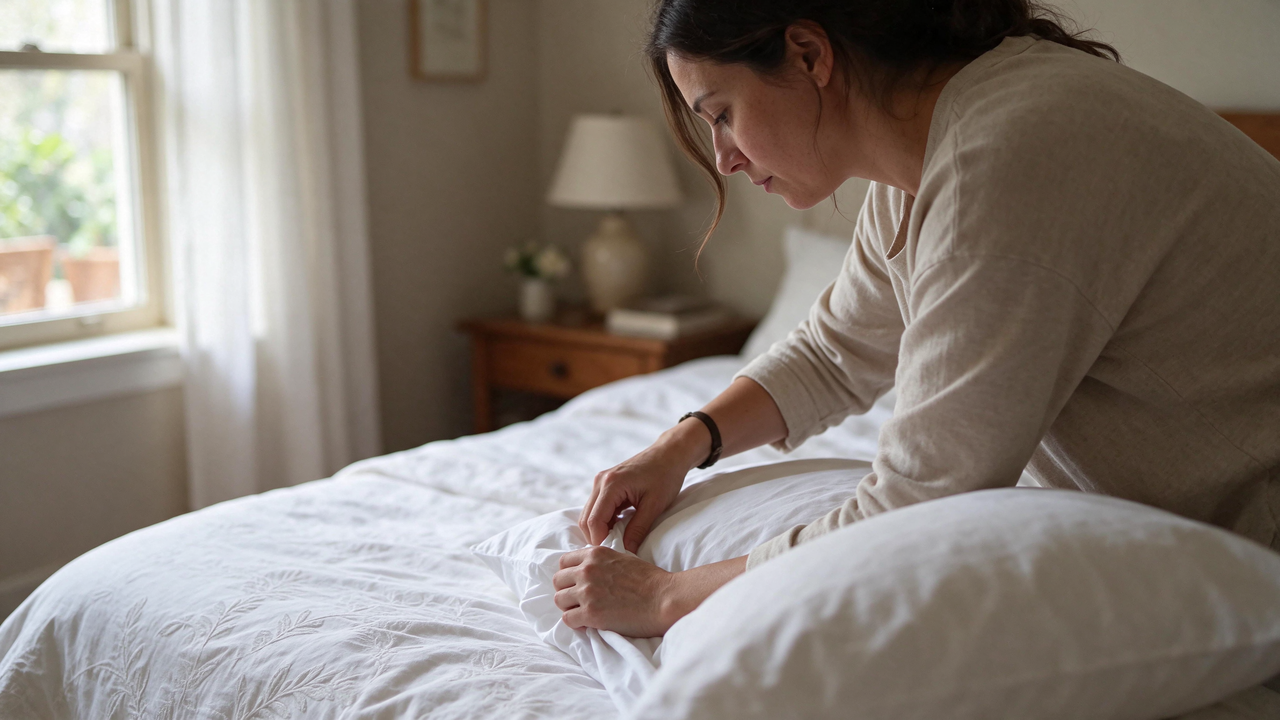
Wash bedsheets, pillow covers, blankets, and washable curtains regularly according to their care instructions. Dust mite allergen exposure can also be reduced by using suitable protective covers for mattresses and pillows.
Control Indoor Moisture and Mold
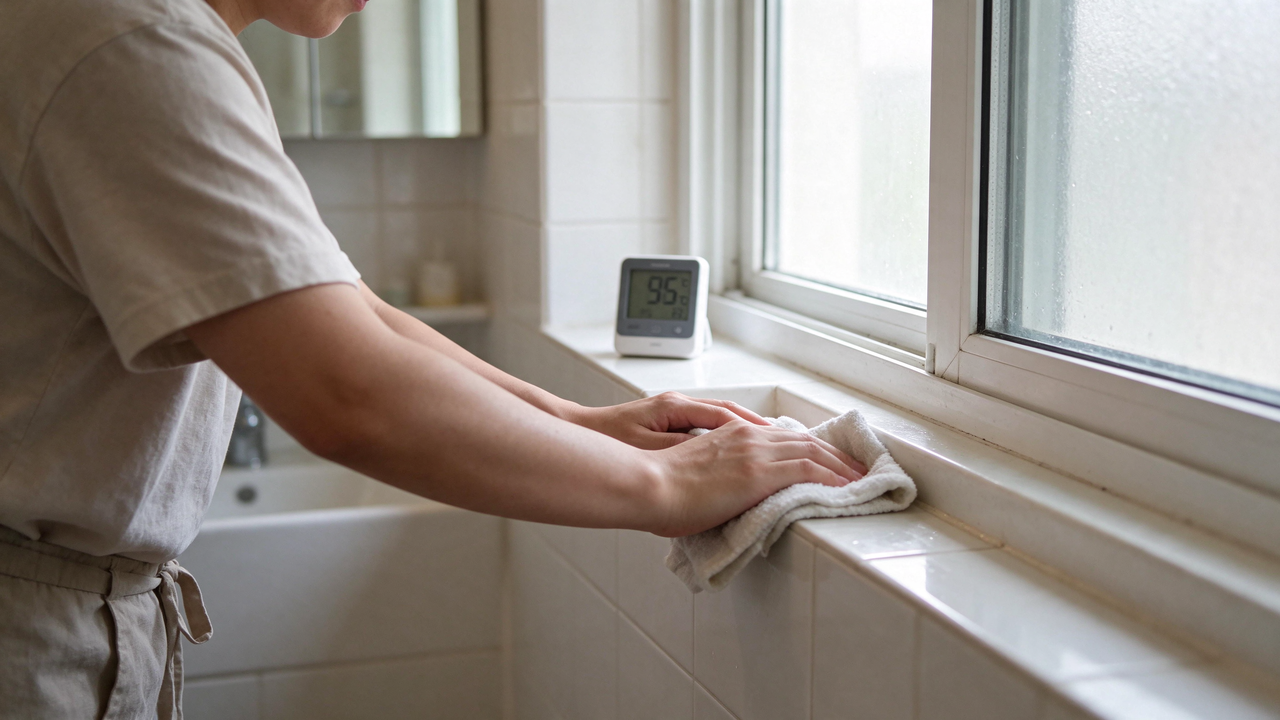
Check your home for water leaks, damp walls, and mold growth. Repair leaks, clean affected hard surfaces safely, and allow wet areas to dry completely. Keeping indoor humidity around 30–50% can help control mold and dust mites.
Improve Indoor Air Quality
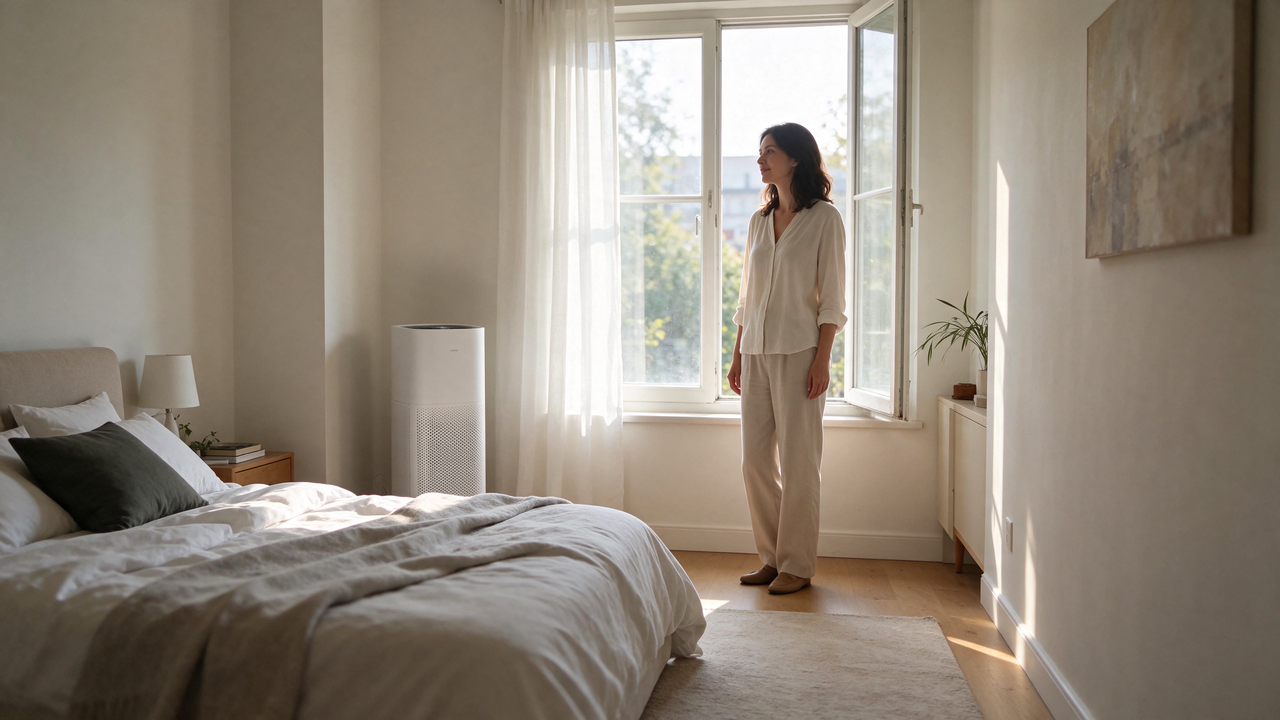
Open windows when outdoor conditions are suitable to allow fresh air inside. Clean air conditioner filters regularly and consider a properly sized air purifier with a HEPA filter if indoor allergens are a concern.
Remember that air purifiers can reduce some airborne particles but cannot remove every allergen from your home.
Reduce Exposure to Pet Dander

If you have pets, keep them out of your bedroom and away from your bedding. Wash your hands after touching them and clean their sleeping areas regularly to reduce the spread of allergens.
Keep Your Bedroom Allergy-Friendly
Your bedroom is an important place to keep clean because you spend several hours sleeping there. Reduce clutter, clean carpets regularly, and use washable bedding to limit dust and other allergens.
Avoid Bringing Outdoor Allergens Inside
Remove your shoes before entering the house and change your clothes after spending time outdoors when needed. Wash your hands and face after outdoor activities, especially if you have known pollen sensitivities.
Common Symptoms of Winter Allergies
Winter allergy symptoms can affect your nose, eyes, and throat. Common symptoms include:
- Frequent sneezing.
- Runny or blocked nose.
- Itchy nose and throat.
- Red, watery, or itchy eyes.
- Postnasal drip (mucus moving down the back of the throat).
- Nasal congestion.
Some people may also experience poor sleep because of a blocked nose. Symptoms can vary depending on the allergen and the person’s sensitivity.
The NHS guidance on allergic rhinitis explains that common symptoms include sneezing, an itchy nose, a runny or blocked nose, and watery eyes.
If symptoms continue, become severe, or affect your daily activities, speak with a healthcare professional.
Winter Allergies vs. Common Cold: How Are They Different?
Winter allergies and the common cold can cause similar symptoms, but there are some differences.
| Symptoms | Winter Allergies | Common Cold |
| Sneezing | Common | Common |
| Itchy eyes or nose | Common | Less common |
| Runny nose | Common | Common |
| Fever | Not typical | Sometimes present |
| Body aches | Not typical | Can occur |
| Duration | May continue while exposed to allergens | Usually improves within 1–2 weeks |
Allergies happen when the immune system reacts to an allergen, while a common cold is caused by a virus. However, symptoms can overlap, so a healthcare professional can help identify the cause when you are unsure.
When Should You See a Doctor for Winter Allergies?

Consider speaking with a healthcare professional if your symptoms continue for a long time, disturb your sleep, or affect your daily activities.
You should also seek medical advice if you experience repeated wheezing, ongoing coughing, or breathing problems. A doctor or allergy specialist may help identify the trigger and suggest suitable treatment.
Severe breathing difficulty, sudden swelling of the tongue or throat, or difficulty swallowing can be signs of a serious allergic reaction. Seek emergency medical help immediately if these symptoms occur.
Frequently Asked Questions About Winter Allergies
Can You Have Seasonal Allergies During Winter?
Yes. Allergies can occur during winter, especially when people are exposed to indoor allergens such as dust mites, mold, and pet dander. Some outdoor pollen and mold exposure may also occur depending on the location and weather.
What Causes Winter Allergies Indoors?
Dust mites, mold spores, and pet dander are common indoor allergy triggers. These allergens may become more noticeable when people spend more time inside during winter.
How Can I Reduce Dust Mites During Winter?
Wash bedding regularly, use dust-proof mattress and pillow covers, and clean floors with a damp cloth or mop. Keeping indoor humidity below 50% can also help reduce dust mite growth.
Can Indoor Heating Make Allergy Symptoms Worse?
Indoor heating does not directly cause an allergy, but it can make indoor air feel dry and may circulate dust if heating systems and filters are not maintained. Regular cleaning and suitable ventilation can help improve indoor comfort.
How Can I Tell the Difference Between Winter Allergies and a Cold?
Allergies often cause itchy eyes, repeated sneezing, and a runny nose without fever. A cold may include a sore throat, cough, fever, or body aches. If you are unsure, consult a healthcare professional.
Conclusion
Winter allergies can make everyday life uncomfortable, especially when dust mites, mold, and pet dander build up inside the home. However, simple changes can help reduce exposure to these common triggers.
Keep your home clean, wash bedding regularly, control moisture, and maintain good indoor air quality. If symptoms continue or become difficult to manage, seek advice from a healthcare professional.