
Winter can make it harder to follow a regular exercise routine. Cold mornings, shorter days, and chilly weather often make people want to stay indoors. As a result, many people spend more time sitting and become less active.
However, staying physically active is important throughout the year. Regular movement supports heart health, helps maintain muscle strength, improves mood, and supports better sleep. Following simple winter exercise tips can help you maintain your fitness without spending hours at the gym.
You can stay active through indoor exercises, outdoor walks, yoga, or simple home workouts. The key is to choose activities that you enjoy and make them part of your daily routine.
Why Is Exercise Important During Winter?
Regular exercise offers several benefits during colder months. It helps you maintain your fitness and supports your overall health.
Here are some important benefits of winter exercise:
- Supports heart health: Activities such as walking, cycling, and dancing help keep your heart active and support better blood flow.
- Helps maintain a healthy weight: Regular movement helps your body use energy and supports weight management.
- Improves mood: Physical activity can help reduce stress and support a more positive mood.
- Promotes better sleep: Staying active during the day may help you develop a healthier sleep routine.
- Maintains muscle strength: Strength exercises help keep your muscles strong and support everyday movements.
- Supports flexibility and energy: Regular movement helps maintain flexibility and can make daily activities feel easier.
American Heart Association’s physical activity guidance also explains the importance of regular exercise for overall health.
10 Helpful Winter Exercise Tips to Stay Fit and Healthy
Following a few simple habits can make winter workouts easier and more enjoyable. Here are ten practical ways to stay active during cold weather.
1. Start Your Day With a Warm-Up
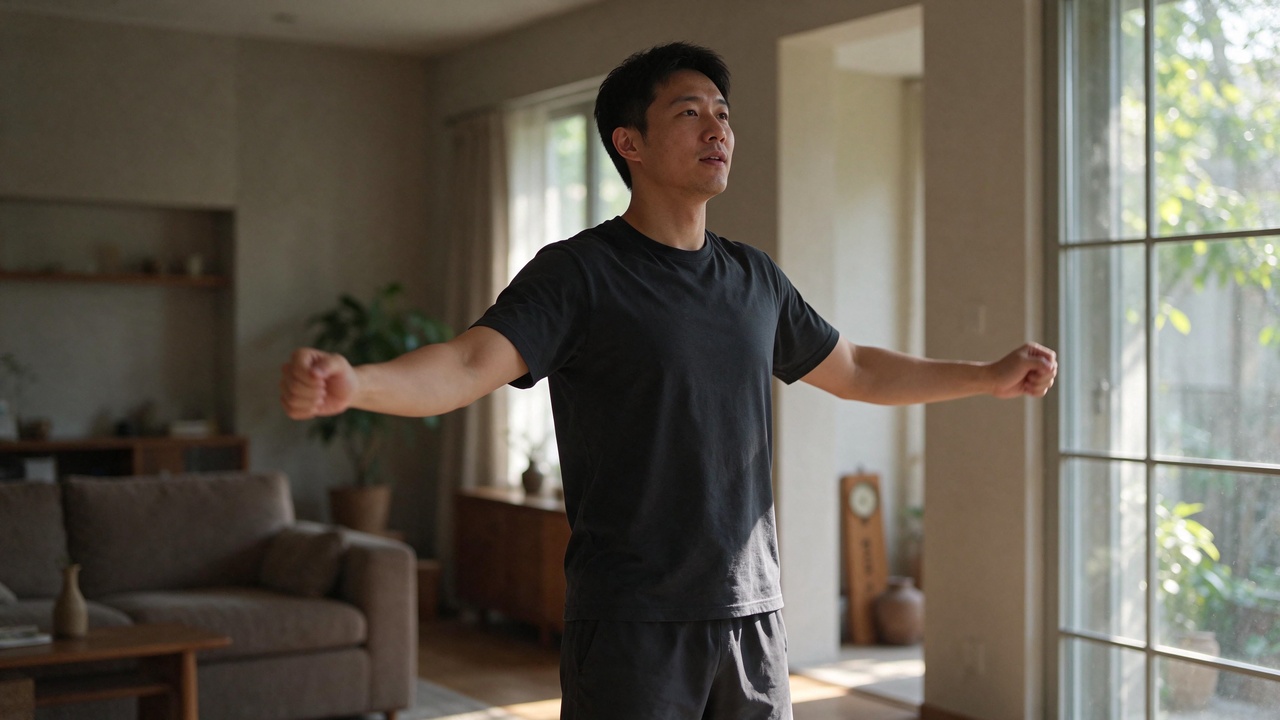
Always begin your workout with a gentle warm-up. Walk slowly, move your arms in circles, and do light movements for a few minutes to prepare your muscles and joints for exercise.
2. Try Simple Indoor Workouts
You do not need a gym to stay fit during winter. Try walking indoors, dancing, yoga, or simple bodyweight exercises to keep your body moving when it is too cold outside.
3. Dress in Comfortable Layers
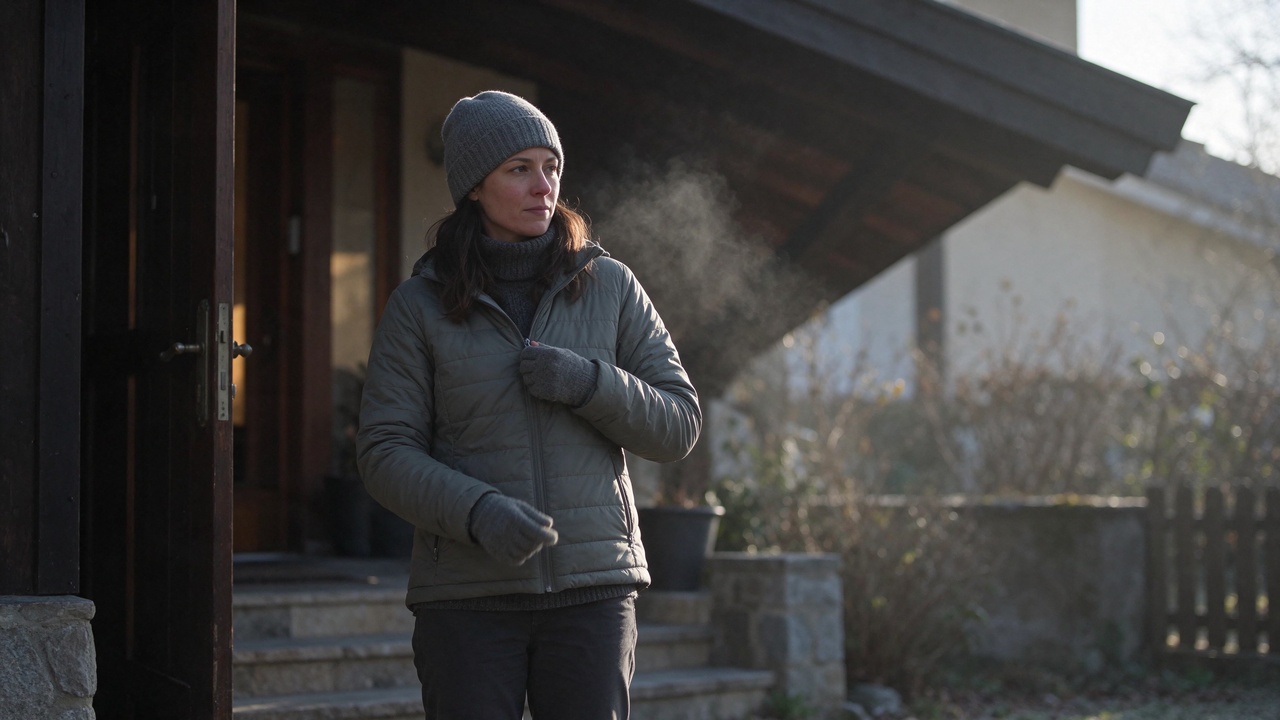
Wear comfortable layers when exercising outdoors during winter. You can remove a layer as your body warms up, helping you avoid getting too hot or staying in sweaty clothing.
4. Stay Hydrated
Drinking water is important even when the weather is cold. You may not feel as thirsty during winter, but your body still needs enough fluids before, during, and after physical activity.
5. Choose the Right Time to Exercise
Choose a time when the weather is more comfortable and outdoor paths are safe. If mornings are too cold, consider exercising later in the day when temperatures are warmer.
6. Walk Regularly
Walking is one of the easiest ways to maintain your winter fitness routine. Start with a short walk around your home or neighbourhood and gradually increase the time as your fitness improves.
7. Try Yoga and Stretching
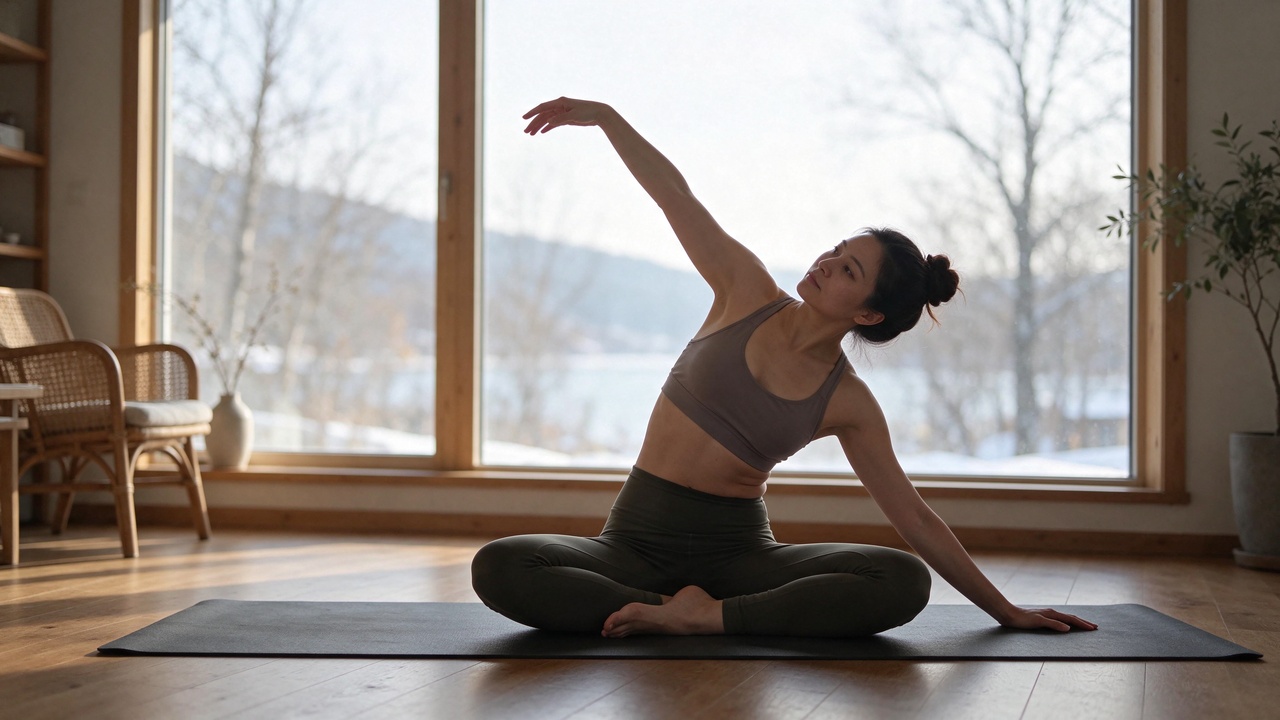
Yoga and gentle stretching can help improve flexibility, balance, and relaxation. You can follow a beginner-friendly routine at home without needing special equipment.
8. Set Small and Realistic Fitness Goals
Start with simple goals, such as exercising for 15–20 minutes a day. Once you become comfortable, slowly increase your activity and create a routine that fits your schedule.
9. Eat Healthy Before and After Exercise
Choose balanced meals that include fruits, vegetables, whole grains, and protein. A healthy snack before or after a workout can help provide energy and support muscle recovery.
10. Listen to Your Body
Do not push yourself too hard, especially when starting a new exercise routine. Take breaks when needed and stop if you experience pain, dizziness, or unusual discomfort.
Best Indoor Exercises to Try During Winter

Indoor exercises are one of the easiest winter exercise tips to follow when outdoor weather is uncomfortable. You can do many simple workouts at home without buying expensive equipment.
Here are some easy options:
- Walking in place: Walk on the spot for a few minutes to get your body moving.
- Squats: Bend your knees and lower your hips slowly to strengthen your leg muscles. Use a chair for support if needed.
- Wall push-ups: Place your hands against a wall and slowly bend your elbows to work your upper body.
- Yoga: Try simple yoga poses to support flexibility, balance, and relaxation.
- Dancing: Play your favourite music and dance for 10–15 minutes for an enjoyable workout.
- Stair climbing: Walk up and down safe stairs at a comfortable pace to increase physical activity.
- Light stretching: Gently stretch your arms, legs, shoulders, and back to maintain flexibility.
If you are a beginner, start with short sessions and comfortable movements. Increase the time and effort gradually as your body becomes stronger.
Outdoor Exercise Safety Tips in Cold Weather
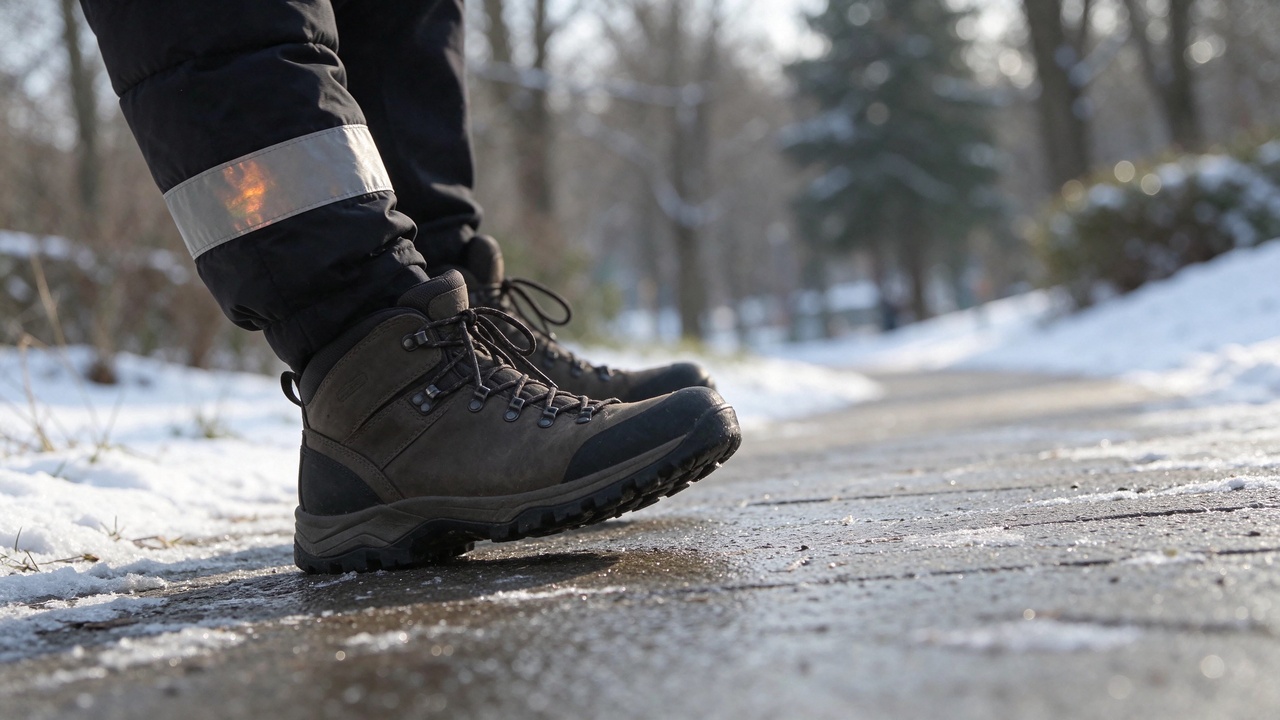
Outdoor winter workouts can be enjoyable, but it is important to take a few safety steps before going outside.
Follow these winter workout safety tips:
- Check the weather forecast before planning an outdoor workout.
- Wear comfortable layers to protect yourself from the cold.
- Choose shoes with good grip to reduce the risk of slipping.
- Avoid icy, wet, and slippery paths.
- Cover your hands, ears, and head when temperatures are low.
- Wear bright or reflective clothing when exercising in low light.
- Adjust your exercise speed and intensity according to the weather.
- Stop exercising if you feel unwell or experience unusual symptoms.
Older adults and people with existing health conditions should take extra care. Speak with a healthcare professional before starting a new exercise routine if you are unsure which activities are suitable for you.
Stop exercising and seek urgent medical help if you experience chest pain, severe breathing difficulty, fainting, or other serious symptoms.
How Much Exercise Do You Need During Winter?
Most adults should aim for at least 150 minutes of moderate-intensity physical activity each week. They should also include muscle-strengthening exercises on at least two days each week.
Moderate activities include brisk walking, cycling, and dancing. These activities make you breathe faster while still allowing you to talk.
You do not need to complete all your exercise at once. For example, you can walk for 30 minutes a day, five days a week. Beginners can start with shorter sessions and gradually increase their activity.
According to the CDC’s adult physical activity guidelines, regular movement is important for maintaining good health. Even small amounts of activity are a useful starting point.
Common Winter Exercise Mistakes to Avoid
Even good winter exercise tips can fall short if a few common mistakes get in the way of a safe, regular routine.
- Skipping warm-ups: Start with gentle movements before doing more intense exercises.
- Wearing unsuitable clothing: Choose comfortable layers that protect you from cold weather.
- Not drinking enough water: Drink water regularly, even when you do not feel thirsty.
- Exercising too much too quickly: Increase your workout time and effort gradually.
- Ignoring pain or unusual symptoms: Stop and seek medical advice when needed.
- Stopping exercise completely: Try indoor workouts when outdoor conditions are not suitable.
Making small changes can help you maintain healthy winter habits and stay consistent with your fitness goals.
Frequently Asked Questions About Winter Exercise
1. What Are the Best Exercises to Do During Winter?
Walking, yoga, dancing, squats, and wall push-ups are some good winter exercise options. You can also try outdoor walking when the weather and walking conditions are safe.
2. Is It Safe to Exercise Outside in Cold Weather?
Yes, many people can exercise outdoors during cold weather if conditions are safe. Wear suitable clothing, check the weather, avoid slippery paths, and stop if you feel unwell.
3. How Long Should I Exercise During Winter?
Adults should aim for at least 150 minutes of moderate activity each week, along with muscle-strengthening exercises on two days. Beginners can start with 10–15 minutes a day and increase gradually.
4. Is Indoor Exercise as Good as Outdoor Exercise?
Yes, indoor activities such as dancing, walking, yoga, and strength exercises can help you meet your fitness goals. The most important thing is to stay active regularly.
5. How Can Beginners Stay Active During Winter?
Beginners can start with short walks, gentle stretching, yoga, or simple home workouts. Set small goals, choose enjoyable activities, and slowly build a regular routine.
Conclusion
Staying active during winter does not have to be difficult. Simple activities such as walking, yoga, dancing, and home workouts can help you maintain your fitness when temperatures drop.
Follow these winter exercise tips, choose activities you enjoy, and create a routine that works for your daily life. Remember to eat balanced meals, drink enough water, and get proper rest.
You can also explore more health and wellness tips on HealthyGenre to support your everyday well-being.
Start with small steps, stay consistent, and make physical activity a healthy part of your winter routine.