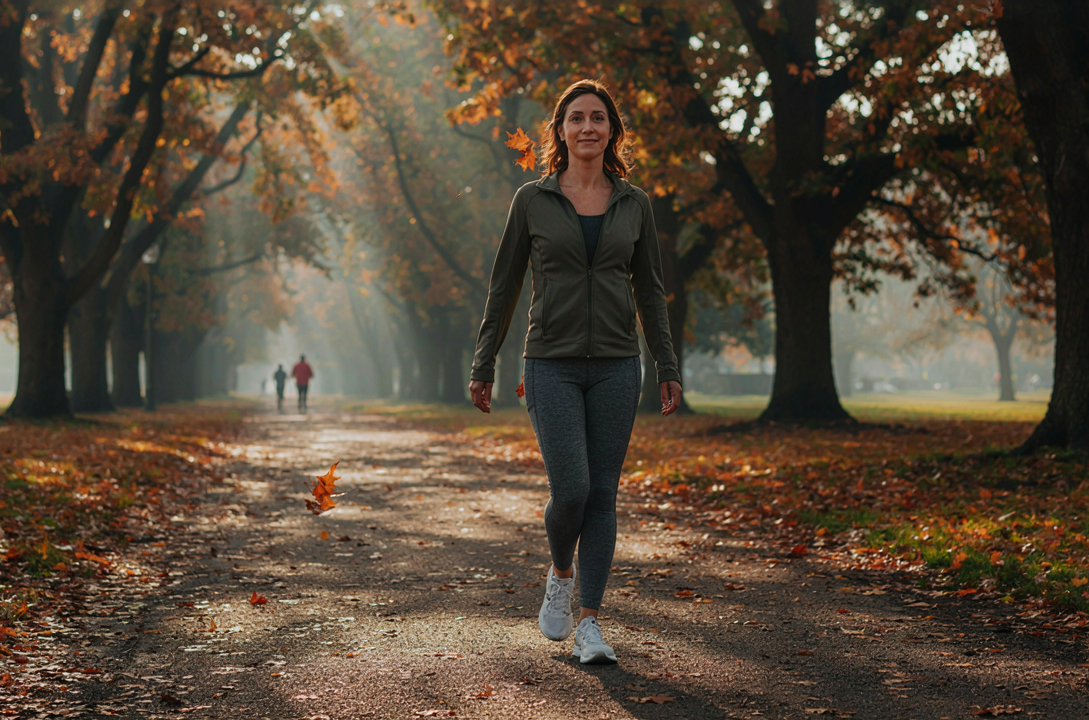
Healthy lifestyle habits are the small things you repeat every day that add up to better health. They cover how you eat, move, sleep and handle stress.
If you want to live healthier but feel overwhelmed, you are not alone. Most advice sounds like a full life makeover. It does not have to be.
This guide keeps it simple. You will learn what a healthy lifestyle really means, which habits matter most, and how to make them stick without relying on willpower.
You do not need to do everything at once. Pick one habit from each section, start small, and build from there.
Quick note: This article is for general education only. It is not medical advice. See the disclaimer and the “When to Talk to a Doctor” section near the end.
What Is a Healthy Lifestyle?
A healthy lifestyle is a set of daily choices that support your body and mind over the long term. It is less about perfection and more about patterns.
Public health agencies point to the same core areas again and again: eating a nutritious diet, being physically active, getting enough sleep, managing stress, and avoiding or limiting harmful substances like tobacco and excess alcohol ( CDC ) ( CDC ) ( WHO ) ( CDC ).
What a healthy lifestyle includes
- Nutrition: mostly whole, minimally processed foods
- Physical activity: regular movement, plus less sitting
- Sleep: enough rest, on a steady schedule
- Stress management: ways to unwind that actually work for you
- Avoiding harmful habits: such as smoking and heavy drinking
- Preventive care: regular check-ups and screenings
Want the wider picture of wellbeing, such as emotional and social health? That is covered in our guide to personal wellness: [LINK: personal wellness pillar]. This page focuses on the daily habits themselves.
Common myths about healthy living
Myth 1: You have to be perfect. You don’t. A habit you do 80% of the time beats a perfect plan you quit after two weeks.
Myth 2: You need a gym membership. Walking, stretching, stairs and bodyweight exercises all count.
Myth 3: It takes exactly 21 days to form a habit. The research does not say that. One well-known study found the average was about 66 days, and it ranged from 18 to 254 days depending on the person and the habit Lally et al. – Habit Formation Research .
Myth 4: Healthy eating means giving up everything you enjoy. A healthy eating pattern has room for favorite foods. What matters most is your usual pattern.
Want a quick list to start with? See [LINK: 15 healthy habits].
Eat Well
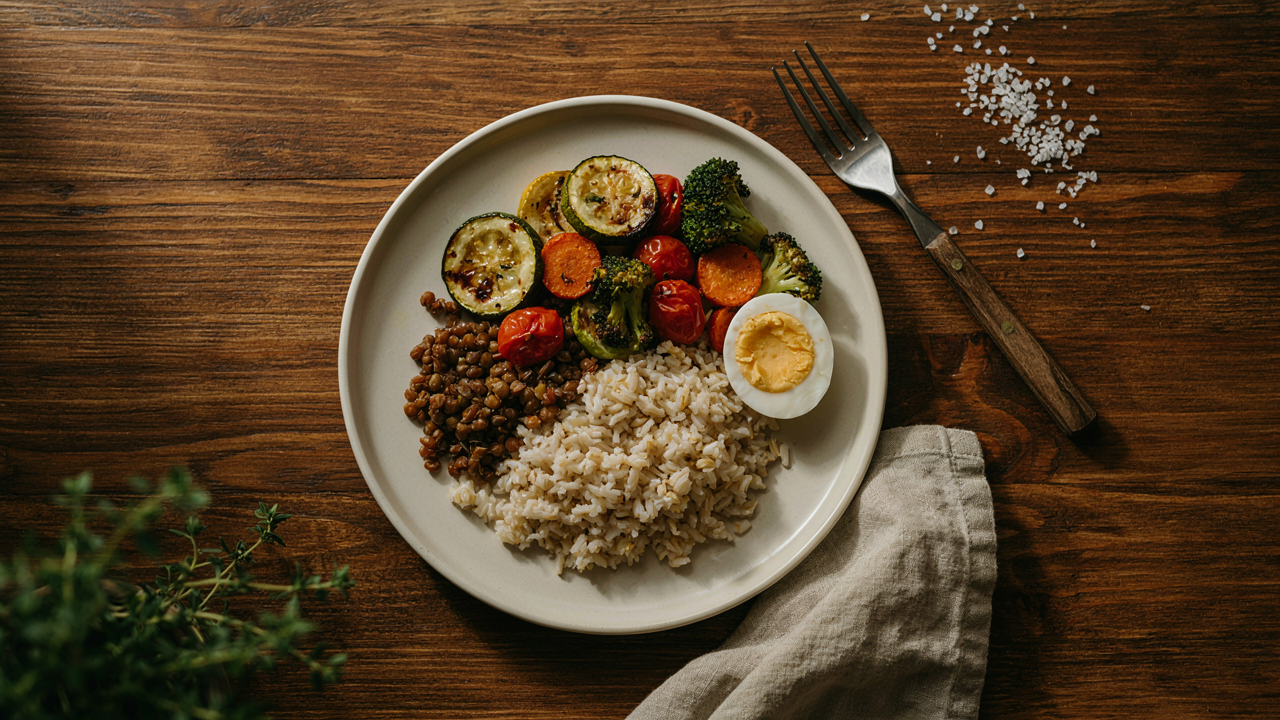
You do not need a strict diet to eat well. A few simple rules go a long way.
Build a balanced plate
The World Health Organization (WHO) describes a healthy diet as one built around vegetables, fruit, legumes (like lentils and beans), nuts and whole grains WHO – Healthy Diet . A simple way to apply this:
- Fill about half your plate with vegetables and fruit
- Add a protein source, such as beans, lentils, eggs, fish, tofu or lean meat
- Add a portion of whole grains, like oats, brown rice or whole wheat roti
- Add a little healthy fat, such as nuts, seeds or olive oil
WHO also recommends at least 400 grams of fruit and vegetables a day, which is about five portions WHO – Healthy Diet . Not sure where to start? Add one extra portion to a meal you already eat.
New to all this? Our guide to [LINK: healthy eating for beginners] walks through it step by step.
Choose heart-healthy foods
What you eat day to day affects your heart over time. Foods like whole grains, legumes, nuts, fruit and vegetables are the foundation of heart-healthy eating WHO – Healthy Diet.
Not sure which foods to pick? Our list of the top 25 heart-healthy foods is a good place to start.
Keep an eye on salt and added sugar
WHO’s general guidance is to keep salt under 5 grams a day, about one teaspoon WHO – Healthy Diet . It also suggests keeping free sugars (sugars added to foods and drinks, plus those in honey, syrups and fruit juice) below 10% of daily energy intake, and ideally below 5% WHO – Salt and Sugar .
Practical swaps:
- Choose water or unsweetened drinks more often than sugary drinks
- Snack on fresh fruit or raw vegetables instead of sweets WHO – Healthy Diet
- Read labels on packaged and sauce-based foods, where salt hides
- Cook at home when you can, so you control what goes in
Drink enough water
Water is the easiest habit to start. Needs vary with your climate, activity level and health, so there is no single number that fits everyone.
A simple approach: keep a bottle within reach, have a glass with each meal, and drink when you feel thirsty. Medical conditions, such as kidney or heart problems, can change how much fluid is right for you, so ask your doctor if that applies. More ideas are in [LINK: hydration tips].
Portion basics
Portion size is about awareness, not strict rules.
- Serve food on a plate instead of eating from the packet
- Eat slowly and stop when you feel comfortably full
- Avoid eating while scrolling or watching TV, which makes it easy to overeat without noticing
A note on smoothies
Smoothies can be a quick way to fit in fruit and vegetables on busy mornings. If you want ideas, see these smoothie recipes and habits for long-term results. Keep added sugar in mind, as with any drink.
Move More
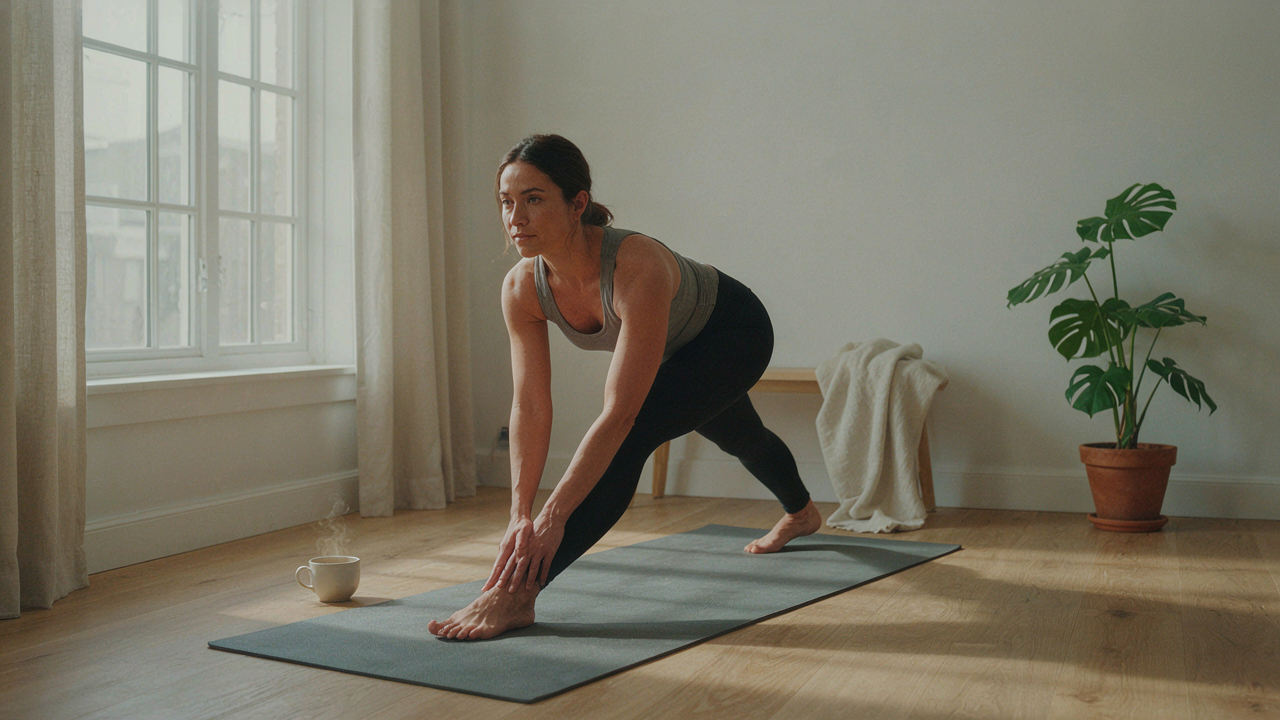
Movement is one of the most powerful habits you can build, and you do not have to love exercise to benefit.
How much activity do adults need?
The CDC says adults need at least 150 minutes of moderate-intensity physical activity per week, such as brisk walking. That works out to about 30 minutes a day, 5 days a week. Adults also need muscle-strengthening activity on at least 2 days a week CDC – Physical Activity .
The same guidance says vigorous activity can count too, at 75 minutes a week, or you can mix moderate and vigorous activity CDC – Physical Activity.
If that sounds like a lot, break it up. Short bouts add up. Even ten minutes at a time is a good start.
Easy ways to move daily
- Take a 10-minute walk after meals
- Use the stairs when you can
- Stand up and stretch every hour
- Walk or cycle for short trips instead of driving
- Do a few squats or push-ups while the kettle boils
Try yoga
Yoga is a gentle, beginner-friendly way to build flexibility, strength and a calmer mind. You do not need to be flexible to start.
If you want to turn it into a routine, read our guide on building a yoga habit. A short session in the morning or before bed is enough to begin with.
Beginner exercise ideas
If you are new to exercise, begin with the basics:
- Walking: the simplest place to start
- Bodyweight exercises: squats, wall push-ups, lunges and planks
- Resistance bands or light weights: useful for the muscle-strengthening part
- Stretching or yoga: good for mobility and recovery
You can do all of these at home. See our list of [LINK: home exercises] for simple routines with no equipment.
Start easy and increase gradually. If you have a health condition, are returning after a long break, or feel unsure, check with a doctor first.
Sit less
The CDC advice is simple: move more and sit less across the day CDC – Physical Activity. If you have a desk job, set a reminder to stand up every 30 to 60 minutes, take calls on foot, or use a lunch walk to break up long sitting stretches.
Sleep and Recovery

Sleep is not a luxury. It is part of being healthy.
The CDC says adults should get at least 7 hours of sleep a day, and getting less than that counts as short sleep duration CDC – Sleep.
Many people struggle to hit that number. These habits can help.
Simple habits for better sleep
- Keep a regular schedule: go to bed and wake up at similar times, even on weekends
- Create a wind-down routine: dim the lights, stretch, read or take a warm shower
- Keep your bedroom comfortable: cool, dark and quiet
- Limit caffeine late in the day: it can linger longer than you expect
- Put screens away before bed: more on this in the next section
Recovery is part of the plan
Rest days matter when you exercise regularly. So do slow evenings, time outdoors and downtime with people you enjoy. Think of recovery as part of your routine, not a reward you earn.
A calm start to the day helps too. Try the ideas in our [LINK: morning routine] guide.
If you regularly sleep poorly, snore loudly, or feel exhausted even after a full night in bed, speak to a doctor. Sleep problems are common and often treatable.
Manage Stress and Screen Time
Stress is a normal part of life. It becomes a problem when it stays high for a long time.
The National Institute of Mental Health (NIMH) lists several practical ways to cope with stress: exercise and eat healthy, get regular sleep, avoid excess caffeine, keep a journal, use relaxation exercises, challenge
unhelpful thoughts, and reach out to friends and family NIMH – Stress. The CDC gives similar advice and notes that everyone manages stress differently CDC – Managing Stress.
Small stress-management habits
- Take three slow, deep breaths before opening your email
- Go for a short walk outside
- Write down what is on your mind before bed
- Talk to someone you trust
- Say no to one thing this week
You do not need all of these. Choose one that feels realistic and try it for a few weeks.
Stress and anxiety are not the same
NIMH explains that stress is usually a response to an outside cause, like a deadline, and tends to ease once the situation is resolved. Anxiety is more persistent and can continue even when there is no immediate threat NIMH – Stress.
If your symptoms will not go away or are getting in the way of daily life, it is a good idea to seek help from a health professional NIMH – Stress.
Screen time
Screens are part of modern life. The goal is not to quit them but to use them with intention.
Try these:
- Keep your phone out of reach at night
- Turn off non-essential notifications
- Set a “no phone” time during meals
- Take a short screen break every hour
- Replace one scrolling session a day with a walk, a call or a book
For a full plan, see [LINK: reduce screen time].
Habits to Reduce or Quit
Adding good habits is only half the picture. Cutting back on harmful ones matters too.
The CDC lists not smoking, eating well, being physically active and limiting alcohol among the key steps to prevent chronic disease CDC – Chronic Diseases.
Smoking and tobacco
Quitting smoking lowers your risk of heart disease, lung disease, cancer and other smoking-related illnesses. The CDC also notes that even if you have tried to quit before, you can still quit for good CDC – Chronic Diseases.
Support makes a real difference. Talk to your doctor about quit-smoking options, and look up your country’s quitline. In the US, that is 1-800-QUIT-NOW CDC – Chronic Diseases. [VERIFY: add an India-specific or region-appropriate helpline if most readers are outside the US.]
Alcohol
If you drink, less is better for your health than more. For adults who choose to drink, the CDC defines moderate drinking as two drinks or fewer in a day for men and one drink or fewer in a day for women. It also notes that even moderate drinking may increase health risks compared with not drinking, and that people who don’t drink should not start CDC – Alcohol.
Some people should avoid alcohol altogether, including those who are pregnant, taking interacting medication, or managing certain health conditions CDC – Alcohol. Ask your doctor if you are unsure.
Other habits worth rethinking
- Skipping meals and then overeating late at night
- Long hours of sitting
- Staying up late on screens
- Relying on sugary drinks or snacks for energy
- Using food, alcohol or scrolling to cope with stress CDC – Managing Stress
Replace instead of just removing. If you drop an evening snack, what will you do instead? A simple plan makes the change easier to keep. For a step-by-step approach, see [LINK: bad habits to quit].
How to Build a Habit That Sticks
Knowing what to do is easy. Doing it consistently is the hard part. These strategies help.
1. Start smaller than you think
Big goals fail because they rely on motivation, which comes and goes. Shrink the habit until it feels almost too easy.
- Instead of “work out for an hour,” try “put on my shoes and walk for five minutes”
- Instead of “eat perfectly,” try “add one vegetable to dinner”
- Instead of “meditate daily,” try “take three slow breaths”
Once the habit is automatic, you can build on it.
2. Link it to a cue
Habits are behaviors that become automatic, triggered by a cue in your environment rather than conscious effort Lally et al. – Habit Formation Research. In the Lally study, volunteers tied their new behavior to a daily cue, such as having lunch Lally et al. – Habit Formation Research (UCL – Habit Formation).
So pick a clear trigger: a time, a place or something you already do.
3. Use habit stacking
Habit stacking means attaching a new habit to one you already do. The formula is simple:
After I [current habit], I will [new habit].
Examples:
- After I brush my teeth, I will do two minutes of stretching
- After I pour my morning tea, I will drink a glass of water
- After I sit down at my desk, I will write my top three tasks
- After I finish dinner, I will take a ten-minute walk
Start with one stack. Add another only when the first feels automatic. For more examples, see [LINK: habit stacking].
4. Make it easy to do
Change your surroundings so the healthy choice is the easy one.
- Keep fruit on the counter and snacks out of sight
- Put your water bottle where you will see it
- Lay out your workout clothes the night before
- Charge your phone outside the bedroom
5. Track your progress
Tracking keeps you honest and shows progress. It can be as simple as ticking a box on a calendar or using a notes app.
Keep it light. If tracking starts to feel stressful, switch to checking in once a week.
6. Be patient with the timeline
In the Lally study, the average time for a new behavior to become automatic was 66 days, but individual results ranged from 18 to 254 days. More complex behaviors took longer Lally et al. – Habit Formation Research UCL – Habit Formation).
So if it is not automatic after three weeks, that is normal. Keep going.
7. Recover after a slip
You will miss days. Everyone does. In an interview about the study, the researcher explained that missing one opportunity did not significantly affect habit formation. People who were very inconsistent, however, did not succeed in forming habits UCL – Habit Formation).
The lesson is to follow the “never miss twice” idea: if you miss one day, get back on track the next. Don’t turn a slip into a reason to quit.
Healthy Lifestyle Habits for Different Life Stages
The basics stay the same, but what is realistic changes with your schedule and priorities.
Students
Study schedules, late nights and tight budgets make healthy habits harder.
- Keep a regular sleep and wake time, even during exams
- Keep simple, affordable staples on hand, like fruit, oats, eggs and lentils
- Walk between classes and take short movement breaks while studying
- Be mindful of energy drinks and too much caffeine, and limit alcohol
Working professionals
Long hours and desk work are the main challenges.
- Break up sitting time with short walks or stretching
- Prep meals or snacks ahead to avoid skipped meals
- Protect a “log-off” time to wind down
- Use habit stacking to fit exercise around work
For a full plan, see [LINK: healthy lifestyle for working professionals].
Adults 40 and over
The basics still apply, and adults need the same weekly activity targets, including muscle-strengthening on at least 2 days a week CDC – Physical Activity. For adults 65 and older, the CDC adds activities that improve balance CDC – Physical Activity.
- Make strength work a regular habit
- Keep up with regular check-ups and screenings
- Pay attention to sleep, stress and joint comfort
- Talk to your doctor about what is safe if you have existing conditions
More detail is in [LINK: staying healthy after 40].
Common Mistakes to Avoid
- Changing everything at once. Too many new habits at once leads to burnout. Start with one or two.
- Aiming for perfection. One missed workout or one unhealthy meal does not undo your progress.
- Relying only on motivation. Motivation fades. Systems, cues and routines last.
- Choosing extreme plans. Crash diets and punishing workouts are hard to keep up. If weight is part of your goal, a gentler, long-term approach is easier to sustain, and our guide on easy ways to lose weight naturally explains how.
- Ignoring sleep and stress. You can eat well and exercise, but poor sleep and constant stress still wear you down.
- Comparing yourself to others. Your starting point, schedule and body are different. Measure progress against your own past.
- Skipping professional advice. Online guides help, but they cannot replace a personalized check-up.
When to Talk to a Doctor
Healthy habits are a good foundation, but they don’t replace medical care. Talk to a doctor or qualified health professional:
- Before starting a new exercise or diet plan if you have a health condition, take medication, are pregnant, or have been inactive for a long time
- If you have symptoms that worry you, such as persistent tiredness, unexplained weight changes, or ongoing pain
- If you sleep badly most nights, or you feel very sleepy during the day
- If stress, low mood or anxiety won’t go away or interfere with daily life NIMH – Stress
- If you want help quitting smoking or cutting down on alcohol CDC – Alcohol CDC – Chronic Diseases
If you have chest pain, trouble breathing, or think you may be having a medical emergency, call your local emergency number right away.
If you are in distress or thinking about harming yourself, contact a crisis service in your area. In the US, you can call or text 988 NIMH – Stress. [VERIFY: add region-appropriate crisis resources for your main audience.]
Conclusion
Healthy lifestyle habits are not about doing everything perfectly. They are about small, steady choices: a balanced plate, a daily walk, a regular bedtime, a few minutes to breathe, and fewer habits that hold you back.
Start with one change this week. Attach it to something you already do. Be patient when you slip, and keep going.
Ready for the next step? Explore our guides on [LINK: 15 healthy habits], [LINK: habit stacking] and [LINK: morning routine], or look at the bigger picture in [LINK: personal wellness pillar].
Disclaimer: This article is for general information and education only. It is not medical advice, diagnosis or treatment, and it does not replace advice from a qualified healthcare professional. Always speak to your doctor before making changes to your diet, exercise or health routine, especially if you have a medical condition, take medication, or are pregnant.